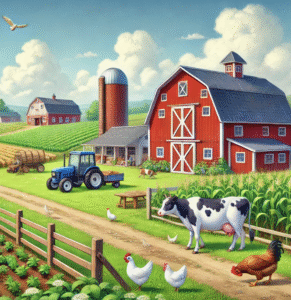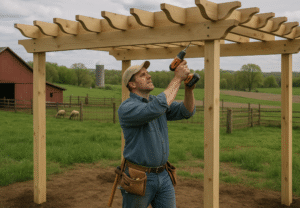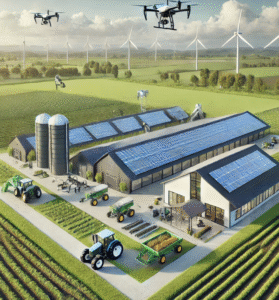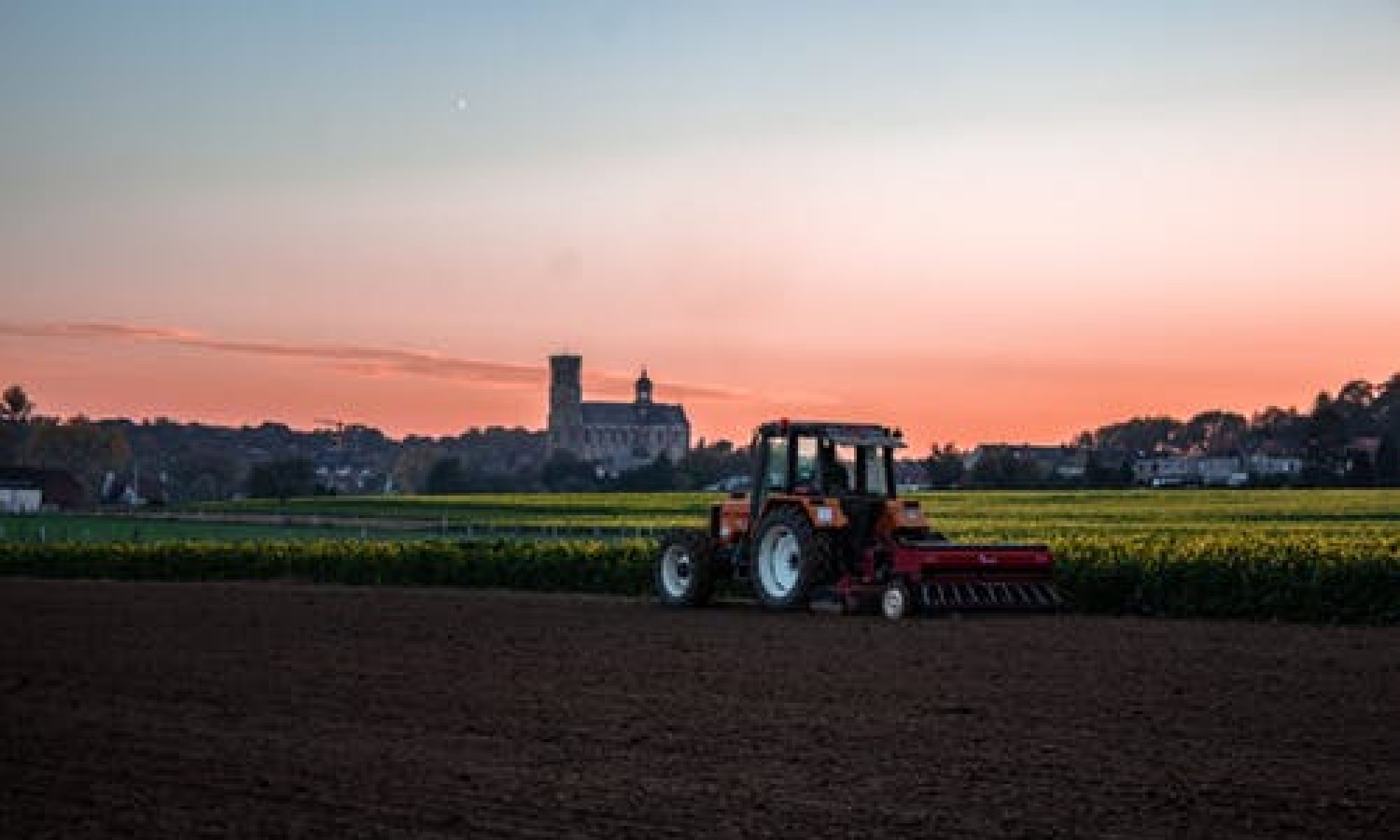
Building the Future: Why a Texas Farm Would Consider New Construction đŸšœđŸ—ïž

Farm News for New construction

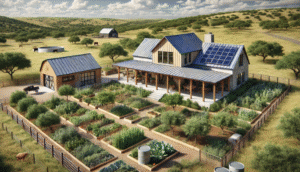
Texas isn’t just a state—it’s a way of life. From the sweeping plains to the sprawling ranches, agriculture is deeply woven into its identity. But as farming evolves, so must the structures that keep it running. Old barns, outdated equipment sheds, and aging farmhouses once served their purpose
 but modernization, efficiency demands, and new technology have changed the game.

Today’s Texas farms face new challenges: unpredictable weather, market fluctuations, labor shortages, and the need for smarter workflows. To stay competitive and profitable, many farm owners are choosing new construction—not as a luxury, but as a strategic investment that safeguards the future.

In this article, we’ll explore why a Texas farm would consider new construction, the advantages it brings, and how it prepares farmers for the next generation of agriculture. Let’s dig in. đŸŒŸ


Modern Farming Requires Modern Infrastructure

Farming is no longer just tractors and dirt roads. It’s data-driven, tech-empowered, and innovative. To support modern practices such as precision agriculture, automated feeding systems, and temperature-controlled storage, farms need buildings that are designed for today’s tools, not yesterday’s limitations.

Older structures often lack:

  • Sufficient electrical capacity

  • Technology integration

  • Proper insulation or ventilation

  • Space for larger modern equipment

New construction solves this by allowing farmers to design with purpose—tailoring every square foot to match workflow, equipment needs, and future scalability.


Improved Efficiency Means Higher Profitability

In agriculture, every minute counts. Poorly designed buildings force workers to walk longer distances, shuffle equipment around, or make multiple trips between areas. Inefficient layouts waste time—and time is money.

With new construction, farms can:

  • Optimize storage placement

  • Create streamlined work zones

  • Design buildings around workflow patterns

  • Reduce labor time and fuel use

  • Minimize maintenance headaches

By designing from scratch, farmers eliminate inefficiencies baked into old layouts. That translates into smoother operations and long-term profit growth.


Structural Safety and Longevity

Texas weather can be brutal. From scorching heat to powerful storms, buildings must be strong, durable, and code-compliant. Older barns and structures may suffer from rot, rust, foundation issues, or outdated materials. Repairing these problems repeatedly adds up fast.

New construction provides:

  • Stronger materials

  • Weather-resistant design

  • Better insulation

  • Fire safety improvements

  • Compliance with modern building codes

Instead of patching what’s broken every season, farmers build something that lasts decades. Longevity isn’t just practical—it’s peace of mind.


Supporting Expansion and Diversification

Texas farms are constantly evolving. Many are expanding production, adding livestock, launching agritourism operations, or branching into organic crops.

New construction allows farms to:

  • Add new barns or stables

  • Build equipment garages or machine sheds

  • Construct visitor facilities for farm tours

  • Create on-site processing or packaging buildings

  • Add worker housing

When opportunities arise, having infrastructure ready—or the space to build it—gives farms a massive competitive advantage.


Technology Integration for the Future

Technology has transformed agriculture. From smart irrigation to automated feeding systems, tech is no longer optional—it’s essential. But technology needs the right environment to work effectively.

New construction supports:

  • Smart sensors

  • Climate control

  • Wi-Fi-connected devices

  • Automated systems

  • Data collection tools

Instead of trying to retrofit outdated buildings, farmers can build tech-ready structures from the ground up, maximizing performance and reliability. According to the United States Department of Agriculture, agricultural technology adoption continues to rise, influencing profit and sustainability.


Sustainability and Energy Efficiency đŸŒ±

Sustainability isn’t a trend—it’s the future of farming. Consumers, regulators, and buyers increasingly favor farms that reduce environmental impact. New construction allows farms to implement eco-smart choices that also save money long-term.

Examples include:

  • Solar panels

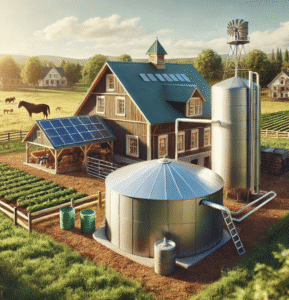
  • Rainwater harvesting systems

  • Better insulation

  • Natural ventilation

  • Recycled or sustainable building materials

  • LED lighting

These improvements lower utility bills, reduce emissions, and support long-term environmental health. Texas farms investing in sustainable construction often qualify for grants and tax incentives, increasing ROI even more.


Meeting Modern Regulations and Compliance Standards

Regulations related to food safety, livestock welfare, and worker safety have become stricter over the years—especially in commercial agriculture. Some older buildings simply cannot meet these updated codes without major renovation.

New construction ensures:

  • Compliance with animal welfare standards

  • Safe chemical and pesticide storage

  • Accessibility and safety for workers

  • Proper drainage and waste management

  • Federal and state regulatory approval

Staying compliant protects farms from fines, shutdowns, or legal issues. It also builds credibility with buyers and consumers.


Better Working Conditions Attract and Retain Labor

Labor shortages are a real challenge in Texas agriculture. Workers are more likely to stay with a farm that offers safe, comfortable, and efficient workspaces.

New buildings can include:

  • Climate control for extreme temperatures

  • Clean break rooms

  • Organized equipment storage

  • Better lighting and ventilation

  • Safer flooring and traffic flow

Improved job satisfaction leads to higher productivity, lower turnover, and a healthier workplace culture.


Enhanced Animal Health and Productivity 🐄

For livestock operations, animal housing directly impacts health and production. Older barns may have poor airflow, temperature swings, or unsanitary conditions. New construction allows farmers to design housing based on animal welfare science, improving health and output.

Benefits include:

  • Proper ventilation to reduce disease

  • Temperature regulation for comfort

  • Cleaner feeding and watering systems

  • Separation areas for sick animals

  • Efficient waste removal

Healthier animals mean fewer vet bills and higher productivity—whether in dairy, beef, poultry, or swine.


On-Site Processing and Direct Sales Opportunities

More Texas farms are cutting out the middleman by processing or selling products directly to consumers. To do that legally and effectively, they need the right facilities.

New construction can support:

  • On-site packaging buildings

  • Cold storage spaces

  • Commercial kitchens

  • Retail storefronts

  • Event spaces or tasting rooms

This shift allows farms to earn higher profit margins and build stronger brands. According to Farm Progress, direct-to-consumer models are rapidly growing in agriculture nationwide.


Insurance and Financial Incentives

Insurance companies love newer buildings because they pose fewer risks. Many farms find that new construction lowers insurance premiums, especially when buildings include modern fire suppression, security systems, or storm-resistant materials.

Additionally, new construction often qualifies for:

  • Agricultural grants

  • USDA loans

  • Tax deductions

  • State incentives

Farmers aren’t just spending money—they’re investing in assets that pay them back over time.


Increasing Property Value

Land may be the heart of farming, but structures drive the value of a farm operation. High-quality, new construction significantly boosts property value—especially if the farm is ever sold, leased, or transferred to the next generation.

Well-maintained, modern buildings also improve curb appeal and operational credibility, which is crucial when partnering with distributors, investors, or lenders.


Preserving Legacy for the Next Generation đŸ‘šâ€đŸ‘©â€đŸ‘§â€đŸ‘Š

For many Texas farmers, the land is more than income—it’s heritage. Building new structures isn’t just about today’s needs; it’s about creating something strong, functional, and lasting for the future.

New construction prepares farms to be passed down with pride, giving the next generation the tools they need to continue the legacy successfully.

As noted on Wikipedia’s Agriculture page, farming has evolved through generations, adapting with each era’s demands. New construction is simply the next evolution.


Conclusion

Texas farms are powerful, resilient, and deeply rooted in tradition—but the most successful ones are also forward-thinking. New construction isn’t just a cosmetic change—it’s a strategic move that supports efficiency, growth, safety, technology, sustainability, and long-term profitability.

From modern barns to tech-ready storage, from labor-friendly layouts to future-proof designs, building new allows Texas farmers to work smarter, not harder—and to secure their legacy for generations to come. đŸŒŸđŸ—ïž

In a world where agriculture is changing rapidly, standing still isn’t an option. New construction is how Texas farms don’t just survive
 they thrive. ✅

Why So Many Great Historical Christian Fiction Novels Take Place on Farms đŸŒŸ

Farm News for historical christian fiction books

Walk the rows of any memorable historical Christian novel and you’ll often find yourself on a farm—boots dusty, horizon wide, prayers rising with the sun. It’s not an accident. Farms offer a uniquely charged setting where faith, family, and the forces of nature collide in ways that feel both intimate and epic. The land becomes a living parable: soil as the heart, seed as the Word, seasons as the slow arc of redemption. Add the constraints and customs of an earlier era and you’ve got fertile ground (pun wholeheartedly intended) for conflict, courage, and Christ-centered hope.

Below, we’ll explore why farms are such magnetic settings for historical Christian fiction—how they naturally align with biblical imagery, how they showcase community and covenant, how they stretch characters between hardship and providence, and why the details of weather, markets, and husbandry lend authenticity that makes stories breathe. Along the way, you’ll find a handful of farm-news authority links for grounding your sense of the real world these stories echo.


Farms Make Scripture Visible—Everyday Life as Living Parable đŸ“–đŸŒ±

When Jesus teaches in agrarian metaphors—seed and soil, vines and branches, wheat and tares—He links eternal truths to ordinary work. Farm settings let historical Christian fiction dramatize those metaphors without strain. Planting becomes trust, weeding becomes sanctification, harvest becomes fulfillment. And drought? A crucible for prayer. Because the rhythms of sowing and reaping are so embedded in Scripture, a farm lets an author “show” theology rather than simply “tell” it.

Even the calendar of the land—rest, gleaning, firstfruits—mirrors spiritual cycles of confession, waiting, and celebration. On a farm, character growth looks like mended fences and mended hearts; obedience has a tangible yield; disobedience has visible consequences. Readers don’t need long explanations. They feel the truth under their feet.


Hardship Meets Providence—High Stakes Without Explosions â›ˆïžđŸ™Œ

A farm is a masterclass in tension: too much rain, not enough rain, early frost, a blight, a calf breach at midnight. None of it is melodrama, yet every bit of it matters. Because livelihood depends on mercy that can’t be manufactured, characters must wrestle with God. In historical settings—where crop insurance is thin or nonexistent, credit is personal, and communities are far-flung—each decision carries moral and material weight.

This pressure naturally pushes plot: Will the family tithe when cash is tight? Take in the neighbor’s orphan when the larder’s slim? Forgive a debt? Tell the truth to the buyer? The farm turns everyday faith into high drama precisely because providence and prudence must dance in real time.


Community, Covenant, and the Geography of Kinship đŸ§șâ›Ș

Christian fiction tends to prize the bonds of church, marriage, and neighbor-love. Farm communities spotlight those bonds in vivid, practical ways. Barn raisings, quilting bees, shared threshers, and Sunday potlucks aren’t decorative nostalgia; they are the social infrastructure of survival. In earlier centuries, distances were long and telephones were dreams—so character depends on character (and characters depend on characters!).

This tight weave of interdependence creates natural ensemble casts: a stern deacon with a soft secret, a widow with a backbone, a hired hand with a past. A farm town becomes a stage where sin, confession, restitution, and reconciliation can unfold in public ways that still feel deeply personal.


The Moral Ecology of Work—Calling With Calluses đŸ› ïžđŸŒ€ïž

Historical Christian novels often interrogate the dignity of labor and the meaning of vocation. Farming is vocation you can touch. Tilling, feeding, repairing, stewarding—these are not simply tasks; they’re catechisms in grit and gratitude. The farm asks characters to measure success beyond yield: Was the work honest? Was the field stewarded, not stripped? Were hands open to the poor?

That moral ecology fits the Christian vision of creation care, generosity, and humility. The land can’t be cajoled by clever talk; it responds to patience, skill, and prayer. For readers weary of quick fixes, farm settings offer a counter-liturgy: slow growth, faithful repetition, and joy hard-won.


Big Sky, Small Details—A Setting That’s Cinematic and Specific 🌅🔍

Farms marry panorama and particular. The macro is majestic—sunrise over stubble fields, storm fronts marching like armies. The micro is concrete and tactile—the nicked handle of a favorite hoe, the smell of sweet feed, the creak of leather tack. This mix lets authors craft scenes that feel both sweeping and intimate.

In historical contexts, those details become time machines: horse-drawn implements, hand-milled seed, ledgers instead of spreadsheets, letters instead of texts. The authenticity of tools and tasks—not to mention the cadence of market days and harvest festivals—grounds spiritual arcs in the kind of sensory reality that lingers with readers long after the last page.


Seasons Build Structure—An Organic Plot Skeleton đŸ“…đŸŒŸ

Farm life runs on a liturgy older than clocks. Plowing, planting, cultivating, harvesting, wintering—these become natural acts in a four-act structure. Authors don’t have to invent artificial deadlines; the weather does it for them. A late spring forces desperate choices. An early frost collapses best-laid plans. A bumper crop tempts pride; a failed one tests faith.

Because the calendar is shared by the whole community, the season itself becomes a character: benign, fickle, or severe. Readers intuitively understand this pacing, so authors can focus on moral conflict and relational stakes while the season quietly tightens the rope.


History at the Fence Line—Markets, Policy, and the Wider World 📰🌍

One misconception about farm-set fiction is that it’s “small.” In reality, a farm is where local and global collide. Grain prices, trade policies, wars, epidemics, and inventions all slam into the farmhouse doorstep. Historical Christian stories can show how a tariff in one country empties a pantry in another; how a new thresher shifts a courtship; how a crop failure prompts a revival meeting.

If you want to see the real-world pulse that informs many of these novels, browse reputable farm-news outlets. For instance, check out Farm Progress for national and regional agriculture headlines, Brownfield Ag News for markets and farm-life reporting, and DTN/Progressive Farmer for policy, weather, and production coverage. For a broader understanding of how reporting about agriculture works (and why it matters to rural stories), see Wikipedia’s overview of Agricultural journalism. Each of these resources captures the kinds of headwinds and tailwinds that shape believable farm fiction—without an author needing to lecture readers about economics or geopolitics.


Suffering, Mercy, and the Arc of Redemption đŸ•ŻïžđŸŒ–

Farms are crucibles where sorrow and mercy often share a field. Calving losses, barn fires, illness, foreclosure, betrayal—these wounds cut deep in a place where margins are thin. But precisely because the setting strips away distractions, grace can ring louder. The neighbor who shows up at 2 a.m. with a lantern. The last jar of preserves quietly left on a stoop. The forgiven debt.

Historical Christian fiction thrives here because the gospel is not abstract. When a character reads a Psalm after a hailstorm or shares a final loaf with a rival, the scene doesn’t feel staged; it feels like the way of the cross in work boots. Readers hungry for stories where faith actually costs something find that cost—and that consolation—on the farm.


Women’s Courage, Men’s Tears—Room for Nuanced, Faithful Heroes đŸ’Ș💧

The farm opens narrative space for heroines and heroes who are both strong and tender. Women in historical farm settings often manage books, births, and barns—facing sexism and scarcity with ingenuity. Men often carry expectations of stoicism until the land or loss finally breaks them open to prayer and confession. Children shoulder chores that grow them into responsibility, while elders pass on a catechism of weather-wisdom and neighbor-love.

This complexity lets authors tell stories that honor complementarity without caricature. Because work is shared and survival is mutual, characters learn the spiritual art of bearing one another’s burdens—a perennial Christian theme made visible in chores, not slogans.


Pastoral, Not Picture-Perfect—Honest Nostalgia đŸȘ”đŸšȘ

Readers come to historical Christian fiction for beauty—but not for airbrushing. The best farm novels refuse both cynicism and sentimentality. They acknowledge injustice (tenant exploitation, racial inequities, land grabs, broken promises) even as they celebrate hospitality, diligence, and worship under a cottonwood after chores. The result is a pastoral tone with backbone: a place where goodness is real but must be protected, where hope is sturdy because it has weathered a few storms.


Craft Advantages for Authors—Why the Farm Helps the Story Work âœïžđŸ§­

From a purely craft perspective, farms are a gift:

  • Built-in constraints (weather, distance, limited tech) intensify choices, which tightens plot.

  • Natural symbolism (seed, soil, vine, flock) enriches theme without heavy author intrusion.

  • Clear stakes (food on the table, land in the family, reputation in the church) keep readers invested.

  • Textural research (implements, livestock, chores) gives scenes the ring of truth.

  • Ensemble dynamics (family and neighbors) support subplots that braid into a satisfying whole.

When those elements sync, a farm novel can move from “nice” to “necessary”—a story that helps readers imagine faithfulness in their own ordinary fields, whatever they are.


Tapping Today’s Farm Reality—A Bonus for Authenticity đŸ§‘â€đŸŒŸđŸ›°ïž

Even when a story is set a century ago, authors can enrich it by understanding how real farms operate and report today. Scanning modern farm-news outlets helps a writer absorb vocabulary, seasonal rhythms, and the domino effects of weather and policy—insight that back-fills historical scenes with confidence. For example, Farm Progress, Brownfield Ag News, DTN/Progressive Farmer, and Successful Farming’s news hub each showcase headlines and backgrounders that echo the kinds of pressures farm families have felt for generations. And Wikipedia’s Agricultural journalism entry offers helpful context on how agricultural reporting developed—useful background when crafting the town editor or traveling correspondent in your novel.

Mining these resources doesn’t make a book a history textbook; it primes the novelist’s ear so that dialogue, dilemmas, and daily routines feel true.


Conclusion

So why do many of the most beloved historical christian fiction books live on farms? Because farms let the gospel breathe through ordinary life. They give us a theater where creation, fall, redemption, and restoration play out in the weather, in the ledger, around the table, and at the altar. They invite us to witness grace that looks like seed in the ground and bread on a neighbor’s porch. They remind us that God’s kingdom often advances at the speed of seasons—quietly, persistently, and with a harvest far beyond what anyone could tally at planting time.

For readers, that’s comfort and challenge. For writers, it’s a calling: to till the soil of history with honesty and hope, and to trust that, in good time, the field will bear fruit. đŸŒŸâœš


Why Dallas, TX Farms Are Investing in Healthy Architecture đŸŒżđŸ—ïž

Farm News for Healthy Architecture Dallas

Healthy architecture is no longer just for hospitals, schools, or chic corporate campuses. Across North Texas, farmers around Dallas are rethinking how barns, greenhouses, packing sheds, and even on-site farm stores are designed and operated—so animals, crops, and people all perform better with less stress, less waste, and more resilience. In a region that straddles blistering summers, erratic storms, and rapid urban growth, “buildings that make living systems healthier” isn’t a luxury—it’s a competitive advantage. đŸ€ 

What “Healthy Architecture” Means on a Farm

On the farm, healthy architecture blends practical building science with the realities of agriculture. It’s about ventilation that moves air at the animal level, daylight that reduces energy load and stress, water systems that conserve and recycle, surfaces that clean easily, and site layouts that keep workers safe while minimizing disease spread and material handling. It borrows from biophilic design (bringing nature’s patterns—light, views, vegetation—into spaces) and from high-performance building approaches (tight envelopes where you want them, natural ventilation where you need it, and mechanical assists when weather swings get extreme). This is as true for a dairy freestall barn as it is for a wash-pack shed, a mushroom room, or a controlled-environment leafy greens house. Successful Farming+2AgriLife Today+2

Why Dallas Farms Are Leaning In Right Now

Dallas is a national hotspot for urban and peri-urban agriculture. City support and private philanthropy have helped community and market farms scale up infrastructure—think cold storage, hoop houses, and irrigation upgrades—so food is fresher and more reliable year-round. That local momentum, combined with North Texas weather, is pushing farms to invest in healthier buildings that can handle heat, humidity, and sudden cold snaps without tanking animal comfort or crop quality. Dallas City News+2CultureMap Dallas+2

The Business Case: Healthier Buildings, Healthier Margins

When farmers upgrade ventilation, shade, insulation, and workflow, they see outcomes that show up in the ledger:

‱ Better animal comfort → steadier production. Good airflow at the cow’s level reduces heat load and keeps humidity from spiking—key for milk and weight gains. Successful Farming

‱ Fewer losses in extreme weather. From dairy to small ruminants and poultry, proper ventilation and heat abatement lower sickness risk during heat waves and reduce respiratory issues in shoulder seasons. Farm Progress+1

‱ Higher worker safety and retention. Bright, naturally daylit, well-ventilated spaces reduce fatigue and accident risk—especially in wash-pack and sorting areas where slips and repetitive motion injuries can occur.

‱ More reliable post-harvest quality. Cold rooms placed correctly relative to wash lines shorten the “field-to-chill” window, protecting texture and shelf life—critical when farms supply neighborhood grocers, restaurants, or CSA boxes citywide.

‱ Marketing power. Urban and direct-to-consumer farms can tell a better story: cleaner, safer spaces; humane animal environments; and lower resource intensity per pound of food—all resonate with Dallas buyers. SMU

What Healthy Architecture Looks Like on North Texas Farms

  1. Ventilation that thinks like weather
    North Texas heat demands barns and processing spaces with designed air paths: ridge vents or continuous sidewall openings for natural stack effect, ceiling or panel fans aimed at animal height, and actuated louvers to manage shoulder-season humidity. The rule of thumb many producers track is enough wintertime air exchange to keep moisture and gases low—then ramping to aggressive summertime flow to blunt heat stress. Successful Farming+1

  2. Daylighting for people and plants
    Translucent roof panels, clerestories, and north-facing glazing brighten interiors without ultraviolet overload or heat gain. In wash-pack buildings, daylight improves visibility, which reduces errors and improves food safety practices; in propagation houses, it keeps seedlings compact and healthy.

  3. Cleanable, resilient materials
    Smooth, washable surfaces in animal areas and pack sheds cut down on pathogen harborage and cleaning time. Curbs, drains, and sloped floors keep water moving the right way, helping Dallas farms conserve water and keep spaces drier (which also controls pests and mold).

  4. Heat abatement and shade layers
    Shade structures, reflective roofing, and vegetated windbreaks make microclimates more forgiving. In livestock systems, even small drops in radiant load can make animals eat more and stress less. Fan placement and sprinkler strategies are tuned to Dallas’ humidity so you don’t accidentally raise moisture without enough airflow to remove it. AGDAILY+1

  5. Smarter site planning
    Healthy architecture starts outside the walls: orient buildings to prevailing winds, separate manure lanes from fresh-produce movement, and keep traffic routes for tractors and delivery vans from crossing with pedestrian paths. These choices reduce dust, contamination risk, and bottlenecks, and they make compliance checks simpler. Texas A&M AgriLife Extension Service

  6. Community-scale resilience
    For urban farms embedded in Dallas neighborhoods, infrastructure like shaded outdoor markets, edible landscaping, and flexible sheds for community classes or aggregation hubs amplifies social impact while increasing sales channels. Projects in South Dallas show how upgraded infrastructure and on-farm education spaces improve food access and neighborhood health. đŸŒ± SMU+1

Heat Is the New Benchmark—And Buildings Are the Lever

Recent farm reporting has hammered the point: extreme heat clips productivity and piles on risk. Whether you run cattle, goats, or layers—or specialize in greens and herbs—air movement, shading, and temperature control now define your season outcomes as much as genetics and feed. Investing in building-level heat mitigation (fans, high-volume low-speed systems, tuned natural ventilation, misters with adequate air exchange) keeps performance up when the thermometer spikes. For dairies in particular, keeping airflow at animal height is central to comfort and output. 🐄 Successful Farming+1

Water-Wise, Worker-Wise, Climate-Wise

Healthy farm buildings in Dallas also tackle water and labor:

‱ Water: Drip and micro-spray inside structures reduce evaporative losses; roofwater capture feeds wash-down or irrigates hedgerows. Segregated “clean/dirty” water lines in pack sheds protect produce and simplify sanitizing. Local producers switching to higher-efficiency irrigation have reported meaningful savings that compound over seasons. Natural Resources Conservation Service

‱ Labor: Cooler, brighter, less humid spaces are safer and easier to staff. In a tight labor market, that matters. A wash-pack that’s designed around worker heights, reach ranges, and flow reduces repetitive strain and speeds training—translating directly to throughput and morale.

‱ Energy: Dallas sun invites solar-ready roofs and east-west shading strategies. Insulated panels in cold rooms and vestibules at doors keep the cold in and the heat out, shrinking compressor run time and maintenance.

Design Moves Dallas Farms Are Making This Year

If you’re scoping upgrades before next summer, these are high-ROI steps farms around Dallas are prioritizing:

  1. Fan mapping and controls
    Don’t just “add a fan.” Map the barn and house air speed at animal height. Use controls that respond to temperature and humidity, and maintain belts and blades to keep efficiency up. Even small maintenance neglect can drop fan performance by nearly a quarter. Farm Progress

  2. Sidewall inlets and ridge vent continuity
    Many legacy barns “leak” in the wrong places. Tighten what should be tight, then give air a clear in-and-out path—continuous ridge vents, generous eave openings, and baffles that keep air moving across occupants, not over their heads. Farm Progress

  3. Daylight without heat gain
    Swap scattered clear panels for planned clerestories or diffusing panels on the right orientation. In wash-pack, add task lighting that complements daylight to minimize glare and shadows over inspection tables.

  4. Hygienic surfaces and drainage
    Re-sloping floors, installing trench drains with removable grates, and lining walls with washable panels reduces sanitation time and protects product quality, especially in high-throughput summer harvests.

  5. Integrated shade and mist
    Shade cloths, extended roof overhangs, and mister lines can work—if the airflow is right. Aim to lower radiant heat first, then use misting where the air can pull moisture away rather than trapping it. AGDAILY

  6. Cold chain adjacency
    Place walk-ins directly off the wash area with air curtains or vestibules. The shorter the “field-to-chill” path, the more consistent your quality—and your customer satisfaction.

Farm News Sources You Can Learn From

If you’d like to go deeper on practical improvements—from airflow to building upgrades—these farm news outlets regularly share field-tested insights relevant to heat, ventilation, and infrastructure:

‱ Farm Progress — clear, nuts-and-bolts guidance on keeping ventilation systems effective through the seasons. Farm Progress

‱ Successful Farming (Agriculture.com) — accessible explainers on why airflow at the cow’s level ties directly to comfort and production. Successful Farming

‱ AGDAILY — timely coverage linking extreme heat events to livestock performance and the building strategies that counter it. AGDAILY

(Each link is used once, as requested.)

Dallas Context: Building Health Is Community Health

Urban growers and nonprofit farms in South and East Dallas are proving how better infrastructure supports health equity—more reliable produce, more dignified workspaces, and public-facing areas that host classes, markets, and training. As the city continues to fund urban ag infrastructure and as local universities and community partners lend technical support, the region’s farms are setting a template for “healthy buildings” that lift both yields and neighborhoods. đŸŒ‡đŸŒŸ Dallas City News+1

Conclusion: Make Buildings Your Next “Crop”

For Dallas-area farms, healthy architecture Dallas is a force multiplier. When you design for airflow, light, hygiene, ergonomics, and climate resilience, animals thrive, crops hold quality longer, and teams work safer and faster. The benefits stack: steadier production in heat waves, fewer losses in cold snaps, cleaner audits, and happier customers who can taste the difference. In a city that’s investing in urban agriculture and a region where weather is a daily wildcard, your next competitive edge may not be a new variety or a bigger chiller—it might be the smart, healthy building that ties your whole operation together. đŸ’ĄđŸŒ±

Ready to sketch the next phase of your farm? Start with the places where people and products slow down—then fix the airflow, the light, and the line. Dallas is showing that when farm buildings get healthy, everything downstream does too.

Why Women on Farms Swear by the Paddle Brush

Farm News for Paddle Brush

Life on a farm moves fast. Between early mornings tending to livestock and long afternoons managing crops, every moment matters. For many women working on farms, a trusty paddle brush becomes more than just a grooming tool—it’s a small but essential part of their daily routine. At first glance, you might wonder what special role a paddle brush can play in such a demanding life. But look a little closer, and you’ll see how this simple tool brings big benefits: from relieving tension after a hard day’s work to helping maintain personal care in a practical, meaningful way. In this article, we’ll explore why women on farms often rely on paddle brushes, how they use them, and why they continue to be a staple of rural life. 😊


The Unique Demands of Farming Life

Farm life is rigorous. It involves lifting, bending, caring for animals, and managing unpredictable weather. There’s mud, sweat, and often little time for self-care. In such an environment, conventional grooming routines can feel like a luxury. The paddle brush meets demand with efficiency and versatility.

Women on farms often endure hours bent over feeding animals or harvesting produce, which can lead to tension in the scalp and upper back. A paddle brush, with its wide, flat surface and flexible bristles, can provide a calming massage while detangling hair quickly—making grooming both functional and therapeutic.


Why the Paddle Brush Is Ideal

Gentle, Effective Detangling

Long hair is common among women farmers, and detangling after a day filled with work, wind, and weather can be challenging. A paddle brush glides through knots gently without pulling or causing breakage. The flexible bristles adapt to the shape of the head, reducing the risk of hair damage.

Scalp Massage and Stress Relief

Working on a farm is physically and mentally demanding. Tension in the scalp and neck is common. Sweeping strokes with a paddle brush stimulate circulation, ease muscle tightness, and offer a relaxing break in a busy day. This mini self-care act can lift mood and reset focus, much like other stress-relief practices covered in articles from industry experts at Farming News. For insights on stress management in agriculture, you might check out this piece by Farm Progress, which explores mental health strategies for farmers. (https://www.farmprogress.com)

Quick, Practical Grooming

In farm life, time is precious. Paddle brushes allow for swift grooming without fuss. You don’t need fancy sections or delicate handling—just brush through, detangle, and you’re ready for the next task. Compared to fine-toothed combs or styling tools, a paddle brush is quick and robust, standing up to mud, sweat, and occasional water without falling apart.


The Durability Factor

Farm environments are tough on tools. A paddle brush made with sturdy materials—wooden or strong plastic backings and flexible, resilient bristles—can withstand drops, moisture, and daily wear without bending out of shape. Some women attach their paddle brushes to hooks in the barn or laundry room, ready for use after a long day in the fields. The simple design means fewer parts to break, making it a reliable companion from spring planting through harvest.


Comfort Meets Functionality

Ergonomic Design

A paddle brush fits comfortably in the hand with its broad handle and lightweight build. For women whose days include hauling hay bales or feeding calves, this ergonomic design prevents fatigue, allowing them to brush without wrist strain—even after hours of manual labor.

Versatility Across Tasks

Beyond grooming hair, the paddle brush can serve multiple purposes—such as gently brushing sawdust from work boots or removing loose straw from braids woven through hair. While not its primary function, this multi-use quality reflects the resourcefulness common in farm life, where gadgets often serve more than one purpose.


A Ritual of Self-Care in a Busy Day

Many women on farms cherish small rituals that offer a moment of peace. Brushing hair with a paddle brush before meals or after chores becomes a mental reset, a brief pause to reconnect with oneself. This small act can feel grounding amid the chaos. Research highlighted by the United Kingdom’s Farming News reached by readers interested in rural well-being underscores how little routines contribute to mental resilience among women in agriculture. (https://www.farminguk.com/news)


Community and Connection

Farm women often share recommendations and tips within networks—be it neighbors at the feed store, online groups, or local co-ops. A paddle brush doesn’t carry brand prestige, but its time-tested functionality spreads through word-of-mouth. Many women rely on recommendations from fellow farmers when choosing a brush that can stand up to barn life. Reading up on tools that help in daily farm life, like this guideline from The Western Producer, can bolster choices grounded in collective experience. (https://www.producer.com)


Conclusion

The paddle brush may seem like a simple tool, but for women on farms it holds surprising power. It’s gentle on detangling, comforting in its massage, resilient in tough environments, and ergonomic for tired hands. It blends practicality with self-care, weaving small moments of calm into busy days. In farm life where every tool must earn its place, the paddle brush stands out as one that enhances well-being and efficiency. So next time you spot that brush hanging near a tack room or kitchen sink, know that it carries more than bristles—it carries comfort, resilience, and a touch of peaceful ritual in hardworking hands.

Why Every Farm Should Invest in Rainwater Tanks: A Sustainable, Smart, and Cost‑Effective Choice 😊

Farm News for Rainwater Tanks

Nowadays, farms face growing challenges—from escalating water costs and unpredictable weather patterns to mounting pressure on natural resources and infrastructure. Amid these, rainwater tanks emerge not just as a practical solution but as a strategic investment. These systems offer farms resilience, financial savings, environmental stewardship, and greater control over water supply. In this article, we’ll explore the compelling reasons for farms to invest in rainwater tanks — examining economic, ecological, and operational benefits — supported by expert sources and practical insights.


Why Rainwater Tanks Make Sense for Farms

Reliable Water Supply, Even in Drought

Rainwater tanks buffer farms against climate volatility. By capturing rain during wetter periods, farms secure a water reserve for critical needs during dry spells. This ensures continuity for irrigation, livestock watering, and cleaning operations—even when rainfall is scarce. Studies emphasize that harvested rainwater offers a reliable alternative when traditional sources are strained or unavailable smartwateronline.comWikipedia.

Lower Costs and Financial Resilience

Investing in rainwater harvesting pays off. Farms reduce reliance on costly municipal or groundwater supplies, reducing utility bills and stabilizing expenses over time smartwateronline.comFAS. Farms are uniquely positioned to benefit from these savings, particularly during periods when water rates spike due to scarcity or regulatory constraints.

Boosted Crop Yields & Livestock Health

Consistency in water provision translates into healthier crops and livestock. Rainwater tanks help guarantee water for irrigation even in dry conditions, supporting optimal growth and yield smartwateronline.comdi-camillo.com. Meanwhile, a steady supply of clean, fresh water ensures livestock remain hydrated and productive, reducing stress and supporting overall farm health Lorentz Australiasmartwateronline.com.

Environmental Stewardship & Resource Conservation

Rainwater harvesting conserves local water supplies and groundwater, promoting sustainability. By capturing rain, farms decrease their extraction of depleting resources and reduce runoff that can cause erosion or stormwater issues Pioneer Water Tanks AmericaWikipedia. In cultivating a long-term, regenerative vision, rainwater tanks serve both ecological health and farming sustainability.

Flood Mitigation & Soil Health

On sloped or erosion-prone land, rainwater tanks reduce surface runoff, curbing erosion and retaining moisture where needed. This not only safeguards soil but contributes to improved growth conditions and water retention FASWikipedia. Some systems even help recharging groundwater naturally, supporting broader landscape resilience.

Improved Water Management & Farm Independence

Rainwater tanks give farmers autonomy. Having on-site storage means better control over irrigation schedules and operational needs—especially beneficial when grid or municipal systems are unreliable. Tanks add a layer of security and flexibility to farm water management, reinforcing independence.

Considerations for Safe and Effective Use

While rainwater is clean at first, collected water may harbor debris, pathogens, or pollutants—especially if filtering is insufficient. Systems should incorporate pre-filters like first‑flush diverters to remove initial contaminants before they enter tanks Iowa State University ExtensionWikipedia. Design and maintenance matter: using covered tanks, screened inlet points, and regular cleaning helps maintain water quality and usefulness.


Conclusion

Farms investing in rainwater tanks are choosing resilience, savings, and sustainability. These systems offer:

  • A reliable water backup during drought

  • Long-term cost savings and financial security

  • Healthier crops and livestock via consistent hydration

  • Conservation of groundwater and reduced environmental footprint

  • Erosion prevention and improved soil moisture retention

  • Greater self-sufficiency in operations

By proactively capturing and managing rainwater, farms not only safeguard their productivity but demonstrate commitment to environmental stewardship and sustainable agriculture.

Ready to dig into specifics—like cost estimates, sizing strategies, or installation approaches? Or want to explore real-world farm examples? Let me know!


References

  • Farmers Guardian — Insight on how rainwater harvesting helps farms save water and cut bills farmersguardian.com

  • Agriculture.com — Discussion on storing excess rainfall to weatherproof farms and drive yield improvements Successful Farming

  • SmartWaterOnline News — Overview of how water tanks enhance production and efficiency on farms smartwateronline.com

What Kind of Circuit Breaker Should a Farm Have? đŸŒŸâšĄ

Farm News for Circuit Breaker

Running a farm today isn’t just about tractors and soil—it’s also about power. Modern farms are packed with electrical equipment: irrigation pumps, grain dryers, welders, dairy machines, refrigeration units, and lighting systems for barns. With so much electricity flowing, one of the most critical decisions a farmer makes is what kind of circuit breaker to install.

A circuit breaker isn’t just another piece of hardware—it’s the silent protector that prevents fires, equipment damage, and power interruptions. Choosing the wrong type can leave a farm vulnerable to outages or even dangerous electrical accidents. Let’s walk through what you need to know about selecting the right circuit breaker for your farm.


Why Farms Require Specialized Circuit Breakers

Unlike a house, where most appliances are low-to-medium demand, farms operate heavy-duty equipment that requires significant electrical capacity. Some reasons farms need specialized breakers include:

  • High-load equipment: Grain dryers, irrigation pumps, HVAC, and welding tools often run on 240 volts or higher.

  • Outdoor environments: Exposure to moisture, dust, and fluctuating weather conditions means breakers need to handle rugged use.

  • Continuous operation: Farms rarely have “off-hours.” Power interruptions can ruin crops, spoil milk, or shut down critical operations.

  • Safety compliance: Agricultural operations must comply with National Electrical Code (NEC) standards and sometimes local utility requirements.


Key Types of Circuit Breakers for Farms

1. Standard Thermal-Magnetic Circuit Breakers

These are the most common types used in residential and commercial settings. On farms, they’re useful for general-purpose circuits like lighting, outlets, or small appliances.

  • Thermal function: Protects against long-term overload.

  • Magnetic function: Instantly trips during a short circuit.

  • Best use: Barn lighting, office spaces, or small power tools.


2. Ground Fault Circuit Interrupter (GFCI) Breakers đŸŒ§ïž

Farms have plenty of areas where electricity and moisture meet—milking parlors, wash stations, or outdoor outlets. GFCI breakers detect imbalances in current flow and shut down instantly to prevent shock.

  • Critical for: Wet or damp locations.

  • NEC requirement: Any area where water is present.

  • Farm example: Powering water trough heaters or barn wash-down areas.

👉 According to the U.S. Consumer Product Safety Commission, GFCIs have prevented thousands of electrocution deaths since becoming widely adopted.


3. Arc Fault Circuit Interrupter (AFCI) Breakers đŸ”„

Electrical fires are a serious risk in farms, especially in barns filled with hay, dust, or wood. AFCI breakers detect dangerous arcing (tiny sparks in wiring) before they cause fires.

  • Critical for: Barns, feed storage, and workshops.

  • Prevention: Stops hidden wire damage from turning into disaster.

  • Farm example: Preventing fire risk in old wiring systems in a hay barn.

👉 Learn more about AFCIs from the National Fire Protection Association (NFPA).


4. High-Amperage Breakers for Equipment Loads 🚜

Heavy farm machinery often requires breakers rated well above residential needs. For instance:

  • Irrigation pumps: May require 50- to 100-amp breakers.

  • Grain dryers: Can exceed 150 amps.

  • Welders: Often need 40- to 60-amp dedicated circuits.

👉 The U.S. Department of Agriculture (USDA) emphasizes modernizing farm infrastructure to ensure electrical systems support today’s heavy demands.


5. Double-Pole Breakers

Most farm equipment requires 240 volts, which means you’ll need double-pole breakers. These breakers take up two slots in your panel and deliver the higher voltage safely.

  • Best for: Pumps, HVAC, refrigeration, or large motors.

  • Benefit: Provides the capacity to run large-scale operations without overload.


6. Surge Protection Breakers ⚡

Farm electronics aren’t limited to heavy equipment—computers, automation systems, and climate control panels are also critical. Surge protection breakers defend sensitive equipment from power spikes caused by storms or utility fluctuations.

  • Best for: Precision agriculture equipment, sensors, and automated feeding systems.

  • Farm example: Protecting climate control in a greenhouse.


Sizing Your Farm’s Circuit Breakers

Choosing the right type is only part of the equation—you also need the right size.

  • Amperage rating: Based on equipment load. Always check manufacturer specs.

  • Voltage rating: Farms often need both 120V and 240V circuits.

  • Continuous load rule: NEC requires breaker capacity to be at least 125% of the continuous load.

💡 Example: If your irrigation pump runs at 40 amps continuously, you need at least a 50-amp breaker.


Special Considerations for Farms

  1. Outdoor Use
    Breakers exposed to outdoor environments should be housed in NEMA-rated enclosures to resist moisture, dust, and pests.

  2. Backup Power
    Farms often use generators or solar systems. Breakers must be compatible with transfer switches to ensure safe backup power integration.

  3. Expansion Planning
    Choose panels and breakers with extra capacity. Farm operations grow, and so will electrical demand.

  4. Professional Installation
    Improperly installed breakers are dangerous. Always consult a licensed electrician familiar with agricultural systems.


Common Mistakes Farmers Make with Breakers ❌

  • Using residential-grade breakers for heavy farm loads.

  • Skipping GFCI/AFCI protection in wet or dusty barns.

  • Oversizing breakers (can damage wiring).

  • Undersizing breakers (causes nuisance trips and inefficiency).

  • Not planning for future electrical expansion.


Conclusion

The right circuit breaker for a farm depends on where it’s being used, the type of equipment it powers, and the environmental conditions around it. At a minimum, every farm should have a mix of GFCI breakers in wet areas, AFCI breakers in barns, and high-amperage/double-pole breakers for large equipment.

Circuit breakers may seem like small components, but they are the guardians of your farm’s safety and productivity. Choosing the wrong ones can cost you downtime, lost revenue, or even put lives at risk. The right ones, however, give you peace of mind that your farm is protected, efficient, and future-ready. đŸŒ±âšĄ


✅ Learn more about electrical safety for agriculture at:

Why Fiberglass Batt Insulation Is a Smart Investment for Farms đŸ„đŸŒŸ

Farm News for Fiberglass Batt Insulation

Farming is more than just a livelihood—it’s a lifestyle, a science, and a long-term investment in sustainability. Whether you’re raising livestock, storing crops, or maintaining equipment, keeping your farm structures energy-efficient and climate-controlled is vital. One of the most overlooked but powerful tools in achieving this is Fiberglass Batt Insulation.

Designed for versatility and performance, fiberglass batt insulation is widely used in residential and commercial buildings—but its value extends far beyond. For farmers, it offers an affordable, reliable solution to control temperature, reduce energy costs, and protect both animals and equipment. In this article, we’ll dig deep into why fiberglass batt insulation should be a top priority on every farmer’s checklist. 🚜


What Is Fiberglass Batt Insulation?

Fiberglass batt insulation is made from extremely fine glass fibers and typically comes in precut panels or “batts” that fit snugly between wall studs and ceiling joists. It’s one of the most cost-effective and widely available insulation materials, known for:

  • Thermal resistance (R-value)

  • Fire resistance

  • Soundproofing capabilities

  • Ease of installation

According to the U.S. Department of Energy, properly installed insulation can reduce heating and cooling needs by over 40% in some buildings. When applied to farm buildings, that kind of efficiency is not just helpful—it’s essential.


The Role of Insulation on the Farm đŸŒœđŸ–

Most farm owners think of insulation as something for homes or perhaps greenhouses. But the truth is, every structure on a farm benefits from quality insulation, including:

  • Barns

  • Poultry houses

  • Dairy parlors

  • Grain storage facilities

  • Workshops

  • Equipment sheds

Each of these buildings has different temperature and humidity requirements, and fiberglass batt insulation helps regulate both. Whether you’re protecting livestock from extreme cold or keeping grain from spoiling in the heat, proper insulation makes a real difference.


Benefits of Fiberglass Batt Insulation for Farms đŸ§€

1. Temperature Regulation for Livestock Comfort 🐓🐄

Livestock like poultry, pigs, and cows are sensitive to temperature swings. For example, heat stress in dairy cows can lead to reduced milk production, while cold stress can cause chickens to lay fewer eggs.

Fiberglass batt insulation stabilizes interior temperatures by reducing heat loss in winter and limiting heat gain in summer. This leads to:

  • Healthier animals

  • Better productivity

  • Lower mortality rates

Livestock comfort is directly tied to profitability, making insulation not just a maintenance choice but a smart financial strategy.


2. Energy Savings = Lower Overhead Costs 💾

Farmers are no strangers to high energy bills. Between heating for animal shelters, lighting, and machinery, operational costs can skyrocket. But with fiberglass batt insulation, you create a thermal barrier that reduces the need for artificial heating and cooling.

According to Energy Star, upgrading insulation can cut heating and cooling costs by up to 20%. That’s a huge win for farm owners trying to rein in overhead and improve ROI on energy investments.


3. Moisture and Mold Resistance đŸŒ«ïž

Humidity is a major issue in farm buildings, especially those housing animals or storing feed. High moisture levels can lead to:

  • Mold and mildew

  • Wood rot

  • Equipment corrosion

  • Health risks for livestock

Many fiberglass batt products come with vapor retarders that prevent moisture infiltration. When paired with proper ventilation, this helps maintain structural integrity and protect your investment long-term.


4. Fire Resistance đŸ”„

Farm buildings are filled with flammable materials—hay, straw, dust, fuel, and chemicals. Fiberglass batt insulation is naturally non-combustible, providing a layer of protection that can slow the spread of fire and offer precious minutes for evacuation or damage control.

It’s even recognized by the National Fire Protection Association (NFPA) as a safer alternative compared to foam or cellulose insulation.


5. Soundproofing for Quieter Operations 🎧

Farms are noisy. Between machinery, animals, and daily activities, the sound levels can be intense. If you’re housing animals near equipment areas or need quieter spaces for offices or veterinary care, fiberglass batt insulation provides a strong acoustic buffer.

It reduces noise transfer, making buildings more pleasant and less stressful for both humans and animals.


6. Quick and Cost-Effective Installation 🧰

Time is money on a farm, and fiberglass batt insulation is one of the easiest materials to install. It doesn’t require special equipment, and many farmers even choose to install it themselves.

It also tends to be cheaper per square foot than spray foam or rigid board insulation. So whether you’re retrofitting an old barn or finishing a new pole building, fiberglass batt is a great choice when balancing performance and price.


Where to Use Fiberglass Batt Insulation on Your Farm đŸ—ïž

Here are some high-impact areas to consider insulating:

Farm Structure Why Insulate It
Livestock Barns For animal comfort, health, and productivity
Milking Parlors Keeps temperatures stable for milk handling
Poultry Houses Reduces heat/cold stress for birds
Grain Bins & Storage Protects against spoilage due to temperature shifts
Workshops Improves energy efficiency and worker comfort
Machine Sheds Preserves tools and equipment from condensation
Residential Buildings Improves energy efficiency for farm homes and offices

How Fiberglass Batt Compares to Other Insulation Types ⚖

Feature Fiberglass Batt Spray Foam Cellulose
Cost ✅ Most Affordable ❌ Expensive ✅ Moderate
DIY Friendly ✅ Yes ❌ Requires pro ❌ Messy to install
Fire Resistance ✅ Non-combustible ❌ Flammable unless treated ❌ Flammable unless treated
Moisture Resistance ✅ Good with vapor barrier ✅ Excellent ❌ Absorbs moisture
R-Value (Thermal) ✅ High ✅ Higher ✅ Moderate
Environmental Impact ✅ Recyclable options ❌ Uses chemicals ✅ Made from recycled paper

Fiberglass batt insulation strikes a balance between affordability, ease of use, and performance, making it the ideal option for many agricultural settings.


Pro Tips for Installing Fiberglass Batt Insulation on Your Farm đŸ› ïž

  1. Wear Protection: Fiberglass can irritate skin and lungs—wear gloves, a mask, and eye protection.

  2. Seal Air Leaks First: Insulation works best when there are no gaps or drafts. Caulk or foam around windows and doors beforehand.

  3. Use a Vapor Retarder: Especially in animal barns or humid regions, use faced insulation or a separate vapor barrier.

  4. Measure Twice, Cut Once: Batts are precut to fit between studs (typically 16 or 24 inches apart), but cutting them to size helps eliminate gaps.

  5. Avoid Compressing the Batts: Squeezing them reduces their R-value, so let them fully expand for maximum effectiveness.


Sustainability Benefits 🌍

Farms are increasingly focused on sustainability, and fiberglass insulation helps you align with those goals. Many batt insulation products are made from recycled glass, and their ability to reduce energy usage contributes to a lower carbon footprint.

Organizations like the Environmental Protection Agency (EPA) and Green Building Council advocate for energy-efficient building practices, and using fiberglass batt is a step in that direction.


Common Myths About Fiberglass Batt Insulation ❌

Myth 1: It’s outdated.
Reality: Modern fiberglass products are more effective and easier to handle than ever before.

Myth 2: It causes cancer.
Reality: The International Agency for Research on Cancer (IARC) downgraded fiberglass from “possibly carcinogenic” to “not classifiable as to its carcinogenicity to humans.” It is safe when installed properly.

Myth 3: It absorbs water like a sponge.
Reality: Fiberglass itself doesn’t absorb water, though it can hold moisture if exposed. That’s why vapor barriers are key in farm use.


Conclusion: Make Fiberglass Batt Insulation Part of Your Farm’s Future 🌟

In farming, margins matter. Every efficiency you add to your operation gives you an edge—and fiberglass batt insulation is one of the most impactful, affordable upgrades you can make.

From reducing energy costs to improving livestock conditions, the benefits are wide-reaching. Whether you’re insulating a poultry barn, a dairy parlor, or your equipment shed, fiberglass batt delivers performance, protection, and peace of mind. đŸ’Ș

Don’t leave your buildings—and your profits—exposed to the elements. Invest in fiberglass batt insulation today and build a farm that’s stronger, smarter, and more sustainable.


Want to learn more?
Check out Energy.gov’s guide to insulation and explore best practices for agricultural energy efficiency through the USDA Rural Energy for America Program (REAP).

📩 Questions? We’re happy to help you choose the right insulation for your specific farm needs.

Why a Farm Would Need to Hire a Pergola Contractor

Farm News for Pergola Contractor

Farms aren’t just places where crops grow and animals roam. They’re evolving into venues for events, tourism destinations, education centers, and even tranquil retreats. With this shift, aesthetics, comfort, and usability are becoming just as important as functionality. One feature that is growing in popularity on farms is the pergola — and not just the kind you’d find in a suburban backyard. For farms, pergolas serve multiple purposes, from boosting operational value to enhancing guest experiences. To do this right, hiring a professional pergola contractor isn’t just a luxury — it’s a smart investment. đŸ› ïžđŸŒż

Let’s explore the deeper reasons a farm should consider hiring a pergola contractor and how this decision can drive growth, revenue, and satisfaction in powerful ways.

Aesthetic and Functional Value on the Farm

Modern farms are expanding their roles. From agritourism to on-site farmers markets, pumpkin patches to farm-to-table dinners, farms are becoming hubs for connection and commerce. A pergola adds architectural beauty, yes — but also usable, shaded space where those new functions can flourish.

Creating Comfortable Outdoor Spaces

A well-placed pergola provides relief from sun and rain, making outdoor spaces usable year-round. Whether it’s used for seating, dining, workshops, or just a shady spot for families to relax, it transforms raw land into functional space. A contractor ensures the structure is built with materials that can withstand the elements — and with craftsmanship that complements the natural beauty of a farm.

Enhancing Guest Experiences in Agritourism

With agritourism booming, guests expect more than just hayrides. According to the USDA National Institute of Food and Agriculture, agritourism helps farms diversify income and build community relationships. Pergolas can serve as visual and social centerpieces for events like weddings, farm-to-fork dinners, or harvest festivals. A custom pergola, built by a contractor, becomes a durable asset that sets the stage for unforgettable experiences. đŸŒœđŸŽ‰


Pergolas as Profit Centers

A pergola isn’t just an architectural feature — it’s a business opportunity.

Hosting Events

From weddings to yoga retreats, many farms are monetizing their open spaces. A pergola acts as a focal point for such events — often doubling as an altar, bandstand, or outdoor classroom. These events are increasingly lucrative, especially in scenic rural settings.

Hiring a pergola contractor ensures the structure meets local codes and withstands frequent use. Some contractors also integrate lighting, ceiling fans, or even solar paneling — turning a simple pergola into a high-ROI investment. According to Statista, outdoor and rustic venues are among the most sought-after wedding locations in the U.S. If a pergola helps your farm become that venue? The returns could be substantial. 💍

Expanding Retail and Dining Options

More farms are setting up small cafĂ©s, bakeries, or marketplaces on-site. A pergola can act as the covered roof for these stations — giving shade for outdoor produce stands or covering dining tables near a food truck or bakery window.

Customers tend to stay longer — and spend more — when they’re comfortable. Pergolas make that possible. Whether you’re selling homemade jams or wood-fired pizza, adding shade and ambiance could translate into higher sales.


Design That Reflects Rural Identity

Every farm is unique. The materials, finishes, and style of your pergola should reflect that.

Customization to Suit Farm Aesthetics

Pergola contractors don’t just build — they design. They work with you to match your brand and vision. Want a rustic post-and-beam look? Prefer modern metal frames with reclaimed barn wood accents? A contractor will tailor the pergola to your farm’s natural surroundings and functional needs.

DIY kits can’t match this level of integration. They often ignore wind loads, soil types, and material aging — all crucial elements for outdoor structures on large, open land.

Weather-Resistant, Durable Materials

Pergolas on farms face harsher conditions than backyard structures. Between wind, UV rays, animals, and even farm equipment, they must be built tough. Contractors use treated lumber, galvanized hardware, or weather-resistant metals and sealants that last.

This durability isn’t just about looks — it’s about safety. A pergola that collapses during an event or under snow load could be a liability nightmare. A contractor ensures the pergola stands firm through all seasons.


Time, Efficiency, and Compliance

Let’s face it: farmers are busy. Building a pergola on your own sounds great — until it’s your fourth try digging post holes in rocky soil while juggling crop schedules.

Saving Time and Energy

Contractors bring tools, crews, and experience. What might take you a month to do solo, a team can finish in a matter of days. That’s less time with your land disrupted and more time serving customers.

More importantly, contractors understand site layout. They can determine the optimal location for your pergola based on sun path, drainage, accessibility, and visibility — ensuring you don’t just build something somewhere, but build it strategically.

Meeting Local Codes and Zoning

Did you know some rural areas still require permits for structures like pergolas? Some farms fall under mixed-use zoning, and pergolas intended for public use may need to meet specific structural standards.

A licensed pergola contractor knows what’s required and can handle the paperwork, inspections, and approvals. This protects your investment — and helps avoid legal or financial headaches.

You can learn more about building code enforcement and safety from the International Code Council đŸ—ïž


Use Cases: Real Ways Farms Are Using Pergolas

To understand the wide utility of pergolas on farms, here are some real-world scenarios that illustrate their value:

1. Vineyard Wine Tasting Areas
Wineries often use pergolas to create shaded tasting areas with vineyard views. The pergola adds ambiance, increases customer linger time, and makes the location photo-worthy — which boosts social media engagement.

2. Educational Farms
Farms offering school tours or hands-on experiences often install pergolas as shaded classrooms or seating areas. They allow learning to continue rain or shine and give kids and parents a place to rest.

3. U-Pick Operations
Berry and pumpkin farms often provide shaded areas where guests can rest, eat, or prep their picks for checkout. Pergolas offer a structured space without needing to construct full buildings.

4. Flower and Herb Gardens
Pergolas provide partial shade that can benefit certain plants — like herbs or shade-tolerant flowers. They also attract photographers and influencers, turning your farm into a visual destination.

5. Wedding Venues
A farm with a pergola can market itself as an outdoor venue for micro-weddings, elopements, or vow renewals. With string lights, flowers, and drapery, a pergola becomes a romantic highlight.


The ROI of Hiring a Pergola Contractor

Think of a pergola contractor not as an expense, but as an investment partner. They help you create an asset — one that can host events, attract visitors, and generate new income streams.

From cost-effective materials to design that aligns with your brand, a contractor brings professional insight that translates into long-term value. Even better, they often have supplier relationships that help cut material costs and speed up timelines.

By hiring a contractor, you’re not just buying a pergola — you’re unlocking the full potential of your farm’s space.


Conclusion: Build More Than a Pergola — Build Opportunity

A pergola isn’t just about shade or beauty — it’s about transformation. With the right pergola contractor, your farm can evolve into a more comfortable, profitable, and inviting place for your customers, your guests, and your family.

Whether you’re looking to enhance agritourism, build a space for gatherings, increase retail comfort, or simply create a peaceful retreat, a custom pergola can serve as the perfect addition to your farm’s story.

Let this be the season you invest not only in crops and animals — but in your space, your brand, and your future. đŸŒŸđŸ› ïžđŸŒž

Want to see what’s possible? Check out examples of outdoor rural design on Houzz or explore code compliance at the International Code Council. Your future guests (and your future revenue) will thank you.

Why Farmers Should Be Familiar with Medical Billing Credentialing

Farm News for Credentialing

When you think of farmers, you likely picture wide-open fields, early mornings, and a life rooted in physical labor and crop cycles. Rarely do people associate farming with healthcare administration. But here’s the surprising truth: as rural America evolves and agriculture becomes more interwoven with business, health plans, and compliance protocols, farmers and those connected to the agricultural industry are increasingly needing to understand medical billing credentialing. Whether managing family care, operating a farm-based employer health plan, or exploring telemedicine solutions, credentialing has become an unexpected—but crucial—area of awareness for today’s farmers. đŸ§‘â€đŸŒŸđŸ’Œ

This article explores why farmers should be familiar with medical billing credentialing, how it affects their personal and community health, and the role it plays in rural healthcare accessibility and financial sustainability.


What Is Medical Billing Credentialing?

Medical billing credentialing is the formal process that healthcare providers undergo to prove they are qualified to deliver medical services and receive payments from insurance companies, Medicare, and Medicaid. It involves verifying the provider’s education, training, licenses, and work history. Once credentialed, providers are recognized by insurers and allowed to bill for services. đŸ„đŸ“‹

According to the Centers for Medicare & Medicaid Services (CMS), proper credentialing ensures compliance, prevents fraud, and upholds quality of care. It’s a necessary process not just for doctors and nurses, but also for chiropractors, mental health counselors, telehealth providers, and even rural clinics.


Why This Matters to Farmers

Farmers are not just agricultural producers—they are business owners, community leaders, and caretakers of families and rural ecosystems. There are several key reasons why they should be familiar with the intricacies of credentialing:


1. Farmers Often Rely on Rural Clinics That Need Credentialed Providers

Many rural areas face severe shortages in healthcare professionals. Farmers often rely on small clinics or independent practitioners—many of whom operate with limited staff and lean budgets. If these providers are not credentialed properly, they may not be reimbursed by insurance companies. This could result in higher out-of-pocket costs for farmers or, worse, the closure of these critical local clinics.

Understanding the credentialing process can help farmers become better advocates for their local healthcare infrastructure. 🏡đŸ©ș


2. Telemedicine Is Expanding in Rural Areas

Telemedicine has become a lifeline for many farmers who cannot easily travel to larger cities for medical care. However, telemedicine providers must be credentialed to receive insurance reimbursement. Farmers using or recommending these services—whether for themselves, their families, or their employees—should ensure the providers they work with are properly credentialed.

According to the National Rural Health Association, credentialing for telehealth is often more complex due to cross-state licensing and payer rules. Farmers knowledgeable in this area can make more informed choices when selecting remote providers. đŸ’»đŸŒŸ


3. Farm Employers May Offer Health Coverage to Workers

Farms that employ multiple laborers—especially those classified as small businesses—may offer healthcare coverage. In these cases, farm owners or managers may interact with billing teams or insurance reps. Understanding credentialing ensures the healthcare providers chosen by the farm’s health plan can actually bill insurance.

If a provider isn’t credentialed, claims may be denied, leading to financial burdens or disputes between employees and employers. Knowing what credentialing entails can help avoid these pitfalls. đŸ‘šâ€đŸŒŸđŸ’ŒđŸ‘©â€âš•ïž


4. Credentialing Affects Reimbursement, Which Affects Access

Credentialing delays or denials can disrupt care delivery in rural areas. For instance, a nurse practitioner at a local clinic may be fully qualified but unable to bill insurance due to slow credentialing approval. This not only affects the provider’s income but also the community’s access to services.

Farmers who understand this can better support healthcare reforms, participate in community boards, and ask informed questions when their providers face billing issues. In short, awareness fosters advocacy. 📱


5. Credentialing Impacts Specialty Services Needed by Aging Farmers

The average American farmer is over 57 years old. As they age, access to specialists—such as cardiologists, orthopedic surgeons, and home health aides—becomes critical. These specialists must be credentialed with various payers to provide covered care.

Understanding this helps aging farmers and their families avoid surprises during claims processing, choose the right specialists, and stay within network. It’s about protecting their health and their pocketbooks. 💓📈


6. Credentialing Is Part of Business-Savvy Healthcare Decisions

Successful farmers are no strangers to paperwork. They navigate everything from equipment financing to crop insurance. Adding healthcare awareness—especially credentialing—into their decision-making toolbelt gives them a competitive edge.

For example, a farmer comparing employee health plans can inquire whether the network providers are all credentialed and in good standing. This knowledge helps avoid headaches down the road. 📑🧠


7. Credentialing Protects Against Medical Fraud

Credentialing protects patients—like farmers and their families—from fraud and unqualified care. If a provider is not properly vetted, there’s no guarantee they meet quality or ethical standards. By being aware of credentialing status, farmers can avoid unsafe or exploitative medical practices.

According to HealthIT.gov, provider data transparency and credentialing systems play a key role in patient safety. Farmers, especially in underserved communities, should check credentials when possible. đŸ”’đŸ§Ÿ


8. Credentialing Delays Can Impact Emergency Services in Farm Regions

Imagine a rural EMS provider or urgent care center not being able to operate due to credentialing delays. This is a real issue. Credentialing backups can leave entire regions underserved. Farmers who understand this process can raise awareness, contact legislators, or even provide testimony on the impact to their local communities.

Civic involvement starts with understanding the processes that govern healthcare access—and credentialing is one of the most overlooked. đŸš‘đŸ›ïž


9. Credentialing Knowledge Helps When Navigating Worker’s Compensation Claims

If a farmhand is injured, medical treatment must be coordinated swiftly and efficiently. However, if the provider treating the injured worker is not credentialed with the farm’s insurance carrier, delays in claim processing can occur. This can impact recovery timelines, financial payouts, and liability exposure.

Credentialing awareness helps streamline communication between employers, insurance adjusters, and care providers. ⏱⚖


10. Credentialing Also Affects Veterinary Care in Agri-Health Intersections

While this article focuses on human health, it’s worth noting that similar principles apply in certain veterinary and public health contexts. For instance, a large dairy operation working with veterinarians may need to navigate certifications, accreditations, and payer relationships if involved in USDA programs.

Though not traditional credentialing, this parallel helps farmers understand how credential-based systems shape all aspects of rural health. 🐄📜


Conclusion

In today’s world, farming is more than just soil and sweat. It’s strategy. It’s leadership. And yes—it’s understanding systems like medical billing credentialing. Farmers who take the time to understand this administrative process can protect their families, optimize their operations, and strengthen the rural healthcare networks they depend on.

Whether it’s choosing a telehealth provider, supporting a local clinic, managing farmhand benefits, or advocating for better access to care—credentialing plays a hidden but powerful role. And when farmers are equipped with knowledge, they’re not just growing food
 they’re growing resilient communities. đŸŒ±đŸ“ˆđŸ’Ș

For more information on how credentialing works and how to verify a provider’s status, visit the National Committee for Quality Assurance (NCQA) or the American Medical Association (AMA).

Why Farms Need Data-Driven Consulting to Thrive in the Modern Era đŸŒŸđŸ“Š

Farm News for Data Driven Consulting

Cultivating a Smarter Future in Agriculture

Farming isn’t just about tractors, crops, and weather forecasts anymore. It’s a data-driven, high-tech business that plays a vital role in global food security, environmental sustainability, and economic development. Today’s farmers are expected to grow more food with fewer resources, adapt to unpredictable climate patterns, and meet rising demands for transparency and traceability in food production. That’s where data-driven consulting steps in — offering the insights, tools, and strategies farms need to succeed in an increasingly complex agricultural landscape.

Data-driven consulting helps farms transform raw information — from soil conditions and rainfall to market trends and logistics — into actionable decisions. It empowers growers to boost yields, reduce waste, and improve profitability with precision and predictability. From large-scale commercial farms to small family-owned operations, agricultural producers of every size can benefit from this approach. 📈

In this article, we’ll explore the many ways data-driven consulting is revolutionizing farming and why it has become a necessity — not just a nice-to-have — for modern agriculture.


1. Precision Agriculture: Turning Insights into Actions đŸ§ đŸŒ±

Data-driven consulting helps farms implement precision agriculture — the practice of using data and technology to manage crops more efficiently. Instead of applying water, fertilizers, and pesticides evenly across entire fields, farmers can use precise data to apply exactly what’s needed, where it’s needed, and when.

Key data sources include:

  • Soil sensors that monitor moisture, pH, and nutrient levels

  • Drones and satellite imagery that assess crop health and identify pest issues

  • GPS-guided equipment that ensures accurate planting and harvesting

With a data consultant’s help, farmers can analyze this information and optimize every aspect of their operation. The results? Higher yields, lower costs, and a lighter environmental footprint.

According to the U.S. Department of Agriculture, farms that adopt precision ag technologies often experience measurable increases in productivity and profitability — a win-win for the farmer and the planet. 🌎


2. Weather and Climate Adaptation: Forecasting Resilience đŸŒ€ïžđŸšœ

Weather is one of the most unpredictable variables in farming, and climate change has only made it harder to plan. Data-driven consulting equips farmers with detailed climate models and historical weather data to build smarter risk mitigation strategies.

By integrating meteorological data with farm-specific data (e.g., crop type, planting dates, soil conditions), consultants can help farmers:

  • Adjust planting and harvesting schedules to minimize weather-related losses

  • Implement crop rotation plans that account for shifting rainfall patterns

  • Use long-term forecasts to plan irrigation schedules or adjust crop selections

Organizations like NOAA’s National Centers for Environmental Information provide high-quality datasets that consultants use to interpret patterns and create climate-resilient farming plans.

Farmers who rely on intuition alone may miss these subtle yet critical insights. Data-driven consulting helps bring clarity to the chaos of climate variability.


3. Supply Chain Optimization: From Field to Fork with Fewer Delays 🍅🚚

Farms operate within complex supply chains that include everything from seed suppliers and equipment vendors to distributors and grocery stores. When one link in the chain fails, the whole operation can suffer.

Data-driven consultants use logistics analytics to evaluate and streamline supply chain performance. This might include:

  • Predictive modeling to identify potential bottlenecks

  • Tracking tools to monitor transportation timelines

  • Cost analyses to improve purchasing strategies

For example, a consultant might analyze shipping delays and suggest switching suppliers or altering delivery schedules based on historic data. This level of foresight helps farms minimize downtime, reduce spoilage, and maintain consistent cash flow.

The International Food Policy Research Institute notes that improving supply chains with data can significantly reduce food waste and improve food availability — critical goals in global agriculture.


4. Financial Forecasting and Cost Control: Profit with Precision đŸ’”đŸ“‰

Operating a farm is capital-intensive, with many moving financial parts. Inputs like seed, fertilizer, and fuel fluctuate in price. Labor costs vary by season. Equipment needs repairs and upgrades. Without a clear understanding of the financial picture, it’s easy for expenses to spiral out of control.

Data-driven consulting provides financial modeling and forecasting services that allow farms to:

  • Predict costs and revenues with greater accuracy

  • Identify areas of overspending or inefficiency

  • Simulate different market scenarios and pricing strategies

With dashboards and visualizations, consultants help farmers see where their money is going — and how to make it work smarter. For example, using data to negotiate bulk seed purchases or track fuel consumption across equipment can lead to savings that add up fast.

According to McKinsey & Company, farms that use data for cost control and forecasting typically achieve better ROI and financial sustainability.


5. Regulatory Compliance and Traceability: Staying Ahead of the Curve đŸ“‹đŸœïž

Regulations around food safety, environmental impact, and labor practices continue to grow. Consumers and retailers are also demanding greater transparency — they want to know how and where their food was grown.

Data-driven consulting helps farms track, document, and report key metrics for compliance and traceability, including:

  • Pesticide and chemical use

  • Soil and water management practices

  • Harvest and storage procedures

  • Labor logs and equipment maintenance

With the rise of blockchain in agriculture, some consultants also help implement technologies that ensure end-to-end transparency. Being able to trace a tomato back to the exact row it was grown in isn’t just futuristic — it’s increasingly expected by buyers and regulators alike.


6. Human Resource Optimization: Maximizing Labor Efficiency đŸ‘©â€đŸŒŸđŸ§‘â€đŸŒŸ

Labor shortages are a growing concern in the agricultural industry. Farms need to make the most of their available workforce without overworking or under-utilizing employees.

Data-driven consultants analyze operational and staffing data to improve workforce efficiency. This may include:

  • Task scheduling optimization

  • Job performance tracking

  • Predictive hiring models based on seasonal trends

For instance, if a consultant identifies that labor is being overused during non-peak hours or underutilized during harvest, adjustments can be made for a better balance. Additionally, data insights can support fair wage distribution and reduce unnecessary overtime costs.

The American Farm Bureau Federation has highlighted the importance of addressing agricultural labor issues through smart solutions — and data plays a big part in that strategy.


7. Sustainability and Environmental Stewardship: Growing Green đŸŒŽâ™»ïž

Sustainable farming practices are no longer optional; they’re essential for long-term viability. Data-driven consulting plays a pivotal role in helping farms reduce their environmental impact while still increasing productivity.

Consultants work with farms to measure and improve:

  • Soil health and nutrient cycles

  • Carbon emissions and sequestration

  • Water usage and conservation

  • Biodiversity and land use patterns

By integrating data from environmental sensors, aerial imagery, and field observations, consultants guide farms toward eco-friendly practices that also make economic sense.

The Food and Agriculture Organization (FAO) reports that sustainable farming methods, powered by data, are key to feeding the planet while protecting its resources. Farms that adopt data-informed sustainability practices are also more likely to qualify for grants, certifications, and carbon credits — unlocking new streams of revenue.


8. Market Intelligence and Growth Strategies: Selling Smarter 🛒📈

It’s not enough to grow a good product — farms also need to sell it at the right price, in the right place, to the right people. Data-driven consultants provide market intelligence that allows farms to fine-tune their go-to-market strategies.

This includes:

  • Analyzing regional and global demand patterns

  • Monitoring commodity prices in real-time

  • Tracking consumer trends (e.g., organic, local, non-GMO)

  • Identifying new revenue opportunities, such as agritourism or direct-to-consumer sales

With data-driven insights, a farm can position itself more effectively, whether that means entering new markets, adjusting its product mix, or refining its branding.

According to AgFunder, agricultural ventures that apply data-driven growth strategies are more attractive to investors and better positioned for long-term expansion.


9. Technology Integration and Training: Bridging the Digital Divide đŸ§‘â€đŸ’»đŸŒ

While ag-tech tools are more accessible than ever, knowing how to use them and integrate them into day-to-day operations is another story. Data-driven consultants help farms navigate the complex tech landscape, offering support in:

  • Selecting the right software and hardware

  • Integrating new tools with existing workflows

  • Training staff on digital platforms and dashboards

From farm management software (FMS) to Internet of Things (IoT) sensors, the potential of agricultural technology is vast — but without proper consulting and onboarding, adoption rates lag.

Consultants act as a bridge between innovation and implementation, ensuring that farms get a strong ROI from their tech investments. Resources like the AgTech Guide from USDA can also complement this training.


Conclusion: The Future of Farming Is Written in Data đŸ“˜đŸŒŸ

Farming has always been about timing, knowledge, and care — but in today’s rapidly changing world, data has become the most valuable tool in the farmer’s toolkit. From precision agriculture and financial forecasting to market intelligence and climate adaptation, data driven consulting helps farms make smarter decisions that lead to greater efficiency, higher yields, and stronger profitability.

More importantly, it empowers farmers to future-proof their operations, ensuring that they can meet the needs of tomorrow’s consumers while caring for the land that sustains us all.

Whether you’re managing thousands of acres or a small family plot, the message is clear: embrace data, or risk falling behind. Partnering with a knowledgeable data consultant could be the most transformative decision a farm makes — not just for its bottom line, but for its legacy. đŸŒ±đŸ’Œ


Need help identifying how data-driven consulting can transform your farm? Don’t wait for the next drought or market downturn to take action. The answers are already in your soil, your spreadsheets, and your seasons — you just need the right guide to uncover them.