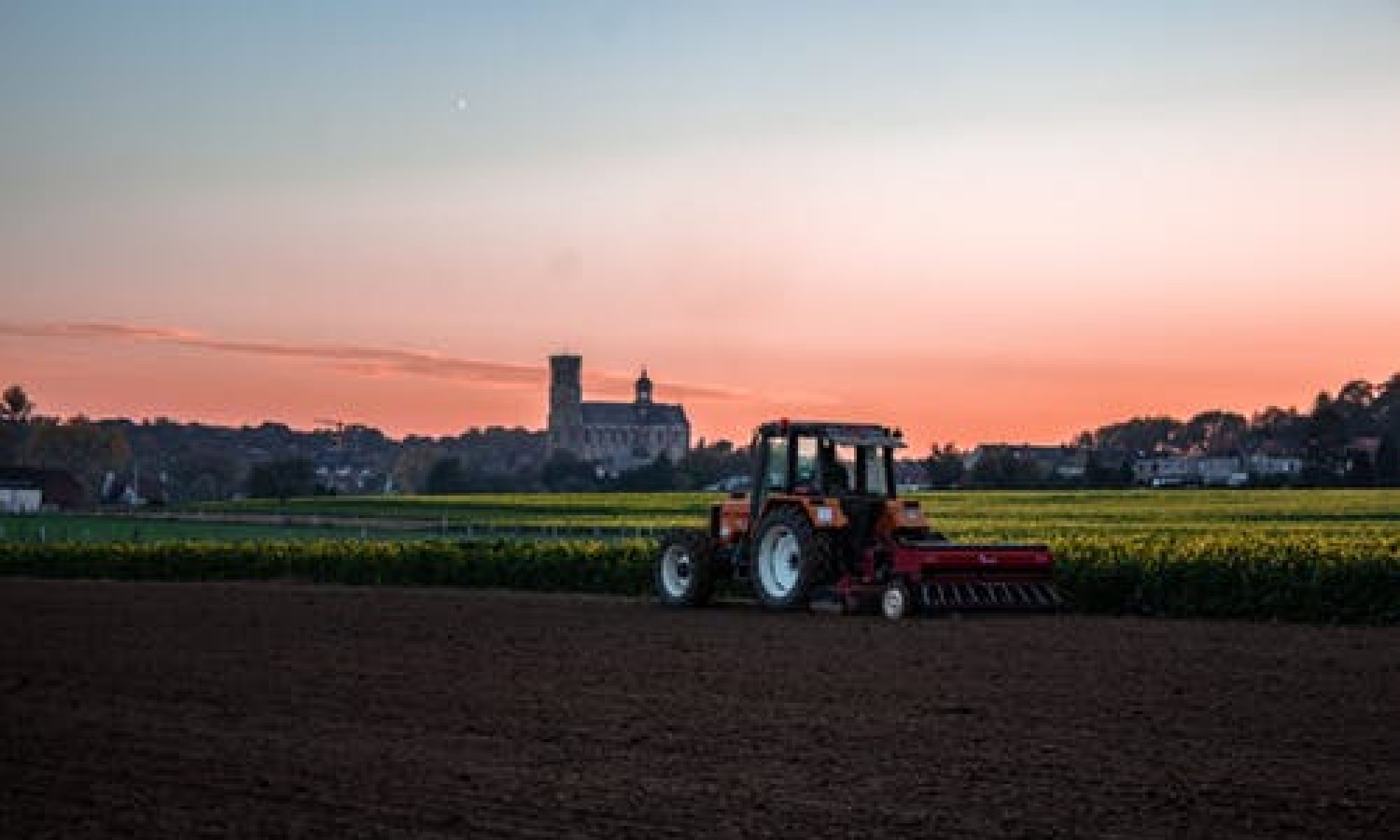

Farming is more than just a livelihood—it’s a lifestyle, a science, and a long-term investment in sustainability. Whether you’re raising livestock, storing crops, or maintaining equipment, keeping your farm structures energy-efficient and climate-controlled is vital. One of the most overlooked but powerful tools in achieving this is Fiberglass Batt Insulation.
Designed for versatility and performance, fiberglass batt insulation is widely used in residential and commercial buildings—but its value extends far beyond. For farmers, it offers an affordable, reliable solution to control temperature, reduce energy costs, and protect both animals and equipment. In this article, we’ll dig deep into why fiberglass batt insulation should be a top priority on every farmer’s checklist. 🚜
What Is Fiberglass Batt Insulation?
Fiberglass batt insulation is made from extremely fine glass fibers and typically comes in precut panels or “batts” that fit snugly between wall studs and ceiling joists. It’s one of the most cost-effective and widely available insulation materials, known for:
-
Thermal resistance (R-value)
-
Fire resistance
-
Soundproofing capabilities
-
Ease of installation
According to the U.S. Department of Energy, properly installed insulation can reduce heating and cooling needs by over 40% in some buildings. When applied to farm buildings, that kind of efficiency is not just helpful—it’s essential.
The Role of Insulation on the Farm 🌽🐖
Most farm owners think of insulation as something for homes or perhaps greenhouses. But the truth is, every structure on a farm benefits from quality insulation, including:
-
Barns
-
Poultry houses
-
Dairy parlors
-
Grain storage facilities
-
Workshops
-
Equipment sheds
Each of these buildings has different temperature and humidity requirements, and fiberglass batt insulation helps regulate both. Whether you’re protecting livestock from extreme cold or keeping grain from spoiling in the heat, proper insulation makes a real difference.
Benefits of Fiberglass Batt Insulation for Farms 🧤
1. Temperature Regulation for Livestock Comfort 🐓🐄
Livestock like poultry, pigs, and cows are sensitive to temperature swings. For example, heat stress in dairy cows can lead to reduced milk production, while cold stress can cause chickens to lay fewer eggs.
Fiberglass batt insulation stabilizes interior temperatures by reducing heat loss in winter and limiting heat gain in summer. This leads to:
-
Healthier animals
-
Better productivity
-
Lower mortality rates
Livestock comfort is directly tied to profitability, making insulation not just a maintenance choice but a smart financial strategy.
2. Energy Savings = Lower Overhead Costs 💸
Farmers are no strangers to high energy bills. Between heating for animal shelters, lighting, and machinery, operational costs can skyrocket. But with fiberglass batt insulation, you create a thermal barrier that reduces the need for artificial heating and cooling.
According to Energy Star, upgrading insulation can cut heating and cooling costs by up to 20%. That’s a huge win for farm owners trying to rein in overhead and improve ROI on energy investments.
3. Moisture and Mold Resistance 🌫️
Humidity is a major issue in farm buildings, especially those housing animals or storing feed. High moisture levels can lead to:
-
Mold and mildew
-
Wood rot
-
Equipment corrosion
-
Health risks for livestock
Many fiberglass batt products come with vapor retarders that prevent moisture infiltration. When paired with proper ventilation, this helps maintain structural integrity and protect your investment long-term.
4. Fire Resistance 🔥
Farm buildings are filled with flammable materials—hay, straw, dust, fuel, and chemicals. Fiberglass batt insulation is naturally non-combustible, providing a layer of protection that can slow the spread of fire and offer precious minutes for evacuation or damage control.
It’s even recognized by the National Fire Protection Association (NFPA) as a safer alternative compared to foam or cellulose insulation.
5. Soundproofing for Quieter Operations 🎧
Farms are noisy. Between machinery, animals, and daily activities, the sound levels can be intense. If you’re housing animals near equipment areas or need quieter spaces for offices or veterinary care, fiberglass batt insulation provides a strong acoustic buffer.
It reduces noise transfer, making buildings more pleasant and less stressful for both humans and animals.
6. Quick and Cost-Effective Installation 🧰
Time is money on a farm, and fiberglass batt insulation is one of the easiest materials to install. It doesn’t require special equipment, and many farmers even choose to install it themselves.
It also tends to be cheaper per square foot than spray foam or rigid board insulation. So whether you’re retrofitting an old barn or finishing a new pole building, fiberglass batt is a great choice when balancing performance and price.
Where to Use Fiberglass Batt Insulation on Your Farm 🏗️
Here are some high-impact areas to consider insulating:
| Farm Structure | Why Insulate It |
|---|---|
| Livestock Barns | For animal comfort, health, and productivity |
| Milking Parlors | Keeps temperatures stable for milk handling |
| Poultry Houses | Reduces heat/cold stress for birds |
| Grain Bins & Storage | Protects against spoilage due to temperature shifts |
| Workshops | Improves energy efficiency and worker comfort |
| Machine Sheds | Preserves tools and equipment from condensation |
| Residential Buildings | Improves energy efficiency for farm homes and offices |
How Fiberglass Batt Compares to Other Insulation Types ⚖️
| Feature | Fiberglass Batt | Spray Foam | Cellulose |
|---|---|---|---|
| Cost | ✅ Most Affordable | ❌ Expensive | ✅ Moderate |
| DIY Friendly | ✅ Yes | ❌ Requires pro | ❌ Messy to install |
| Fire Resistance | ✅ Non-combustible | ❌ Flammable unless treated | ❌ Flammable unless treated |
| Moisture Resistance | ✅ Good with vapor barrier | ✅ Excellent | ❌ Absorbs moisture |
| R-Value (Thermal) | ✅ High | ✅ Higher | ✅ Moderate |
| Environmental Impact | ✅ Recyclable options | ❌ Uses chemicals | ✅ Made from recycled paper |
Fiberglass batt insulation strikes a balance between affordability, ease of use, and performance, making it the ideal option for many agricultural settings.
Pro Tips for Installing Fiberglass Batt Insulation on Your Farm 🛠️
-
Wear Protection: Fiberglass can irritate skin and lungs—wear gloves, a mask, and eye protection.
-
Seal Air Leaks First: Insulation works best when there are no gaps or drafts. Caulk or foam around windows and doors beforehand.
-
Use a Vapor Retarder: Especially in animal barns or humid regions, use faced insulation or a separate vapor barrier.
-
Measure Twice, Cut Once: Batts are precut to fit between studs (typically 16 or 24 inches apart), but cutting them to size helps eliminate gaps.
-
Avoid Compressing the Batts: Squeezing them reduces their R-value, so let them fully expand for maximum effectiveness.
Sustainability Benefits 🌍
Farms are increasingly focused on sustainability, and fiberglass insulation helps you align with those goals. Many batt insulation products are made from recycled glass, and their ability to reduce energy usage contributes to a lower carbon footprint.
Organizations like the Environmental Protection Agency (EPA) and Green Building Council advocate for energy-efficient building practices, and using fiberglass batt is a step in that direction.
Common Myths About Fiberglass Batt Insulation ❌
Myth 1: It’s outdated.
Reality: Modern fiberglass products are more effective and easier to handle than ever before.
Myth 2: It causes cancer.
Reality: The International Agency for Research on Cancer (IARC) downgraded fiberglass from “possibly carcinogenic” to “not classifiable as to its carcinogenicity to humans.” It is safe when installed properly.
Myth 3: It absorbs water like a sponge.
Reality: Fiberglass itself doesn’t absorb water, though it can hold moisture if exposed. That’s why vapor barriers are key in farm use.
Conclusion: Make Fiberglass Batt Insulation Part of Your Farm’s Future 🌟
In farming, margins matter. Every efficiency you add to your operation gives you an edge—and fiberglass batt insulation is one of the most impactful, affordable upgrades you can make.
From reducing energy costs to improving livestock conditions, the benefits are wide-reaching. Whether you’re insulating a poultry barn, a dairy parlor, or your equipment shed, fiberglass batt delivers performance, protection, and peace of mind. 💪
Don’t leave your buildings—and your profits—exposed to the elements. Invest in fiberglass batt insulation today and build a farm that’s stronger, smarter, and more sustainable.
Want to learn more?
Check out Energy.gov’s guide to insulation and explore best practices for agricultural energy efficiency through the USDA Rural Energy for America Program (REAP).
📦 Questions? We’re happy to help you choose the right insulation for your specific farm needs.