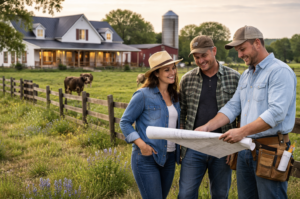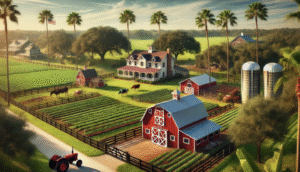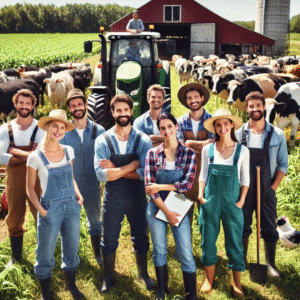

When people think about a farm, they often imagine wide-open rural land, barns, mud boots, tools, hard work, and long days outdoors. In Washington, D.C., the idea of a farm can look a little different. The District has an active urban agriculture community supported by local programs, policy work, and education initiatives, which means a farm property in this area may be an urban farm, a teaching site, a community-growing space, or a mixed-use property that blends agriculture with residential or staff needs. Resources from the District Department of Energy and Environment, the DC Food Policy Council, the University of the District of Columbia’s CAUSES program, and the USDA’s urban agriculture resources all show that agriculture in and around the District is real, growing, and connected to sustainability, food access, and community life. Even the broader idea of urban agriculture helps explain why farm properties in a city-based environment often need practical upgrades that make daily use easier.
That is exactly why a bathroom improvement can matter more than people think. A tub may sound perfectly fine on paper, but for a working farm property, it is not always the most useful setup. A shower is faster, easier to access, simpler to clean, and often better suited to the pace of physical work. For a farm in Washington, D.C., where space, efficiency, upkeep, and functionality all matter, a tub-to-shower change can be more than a cosmetic update. It can become a smart improvement that supports the way the property is actually used.
A farm website may not seem like the first place for a bathroom remodeling topic, but it makes sense when you think about the people behind the property. Owners, caretakers, workers, guests, family members, and even volunteers all move through a farm space differently than people in a typical suburban home. Their needs are practical. They need to wash off dirt, move safely, save time, and keep the property operating well. That is why tub to shower conversion Washington D.C. can be a meaningful conversation for a farm property owner who wants the building to serve the people using it every day.
Why Function Matters More on a Farm Property
Farm properties are built around movement. People come in from the garden, greenhouse, market setup, compost area, storage shed, or outdoor work zones carrying the physical evidence of the day with them. Boots track in soil. Clothes carry dust. Hands are tired. Muscles are sore. At that point, a high-step tub can feel inconvenient, while a shower feels direct and useful.
That difference matters because farms do not operate like spaces where everything stays clean and untouched. A shower works with the rhythm of a farm property. It allows someone to rinse off quickly and move on to the next responsibility. Whether that means getting ready for a farmers market, coming back in after watering and harvesting, or cleaning up before hosting visitors, convenience becomes part of the value.
On a Washington, D.C. farm property, this kind of practicality can matter even more because many urban and semi-urban properties use every square foot carefully. D.C. urban agriculture programs and local reports show how food production, land use, and community function often overlap in compact, intentional spaces. That means upgrades need to work hard. They should improve use, support comfort, and make the building more efficient rather than simply adding something decorative.
A Shower Can Be Better for Safety and Accessibility
Safety is one of the strongest reasons a farm may need this kind of upgrade. A tub wall can become a hazard when someone is stepping in with wet feet, tired legs, or limited balance after hours of physical work. That risk can increase when the people using the bathroom include older adults, family members, visiting helpers, or anyone dealing with stiffness, soreness, or reduced mobility.
A shower can create a more accessible and comfortable experience. Many modern shower designs allow for a lower threshold or an easier step-in entry, which can make daily use feel less stressful. That matters on a farm because the work itself is already demanding. The bathroom should not add another obstacle at the end of the day.
This becomes even more important for multi-use properties. Some Washington, D.C. farm sites are tied to education, community engagement, and neighborhood support, which means more than one type of user may move through the property. UDC’s urban agriculture work and the District’s broader support for food hubs and community-based growing show how farms in the city can serve more than one purpose at once. When a property welcomes a wider range of people, a safer and easier-to-use bathroom becomes a more responsible choice.
Faster Cleanup Supports a Hard-Working Routine
One of the simplest reasons a farm may need a shower instead of a tub is speed. A shower is faster. It is easier to step into, easier to rinse down, and easier to use after a long day outside. On a property where time matters, that can make a real difference.
Farm life is rarely centered around leisure. Even beautiful farm properties run on schedules, deadlines, weather changes, deliveries, maintenance, and seasonal demands. When people come inside, they usually want to get clean and get moving. A shower supports that kind of routine much better than a tub.
That is especially true when the bathroom is used more than once in a day. A farm owner may need a morning rinse before heading to meetings, a midday cleanup after outdoor work, and an evening shower before resting. If staff or family members are also using the same bathroom, a shower often serves everyone more efficiently. It keeps the flow of the home or farm building moving without slowing people down.
Cleanliness and Maintenance Matter More Than People Realize
A farm property can be beautiful, but it also brings mess. Soil, mulch, seed debris, plant matter, animal-related dirt, and outdoor moisture can all find their way indoors. Because of that, bathroom materials and layouts matter. A shower often makes cleanup easier because it is designed for quick rinsing and easier access.
A tub can collect grime around edges and corners, especially when people are stepping in and out after outdoor work. A well-designed shower can be easier to wipe down, easier to keep sanitary, and more aligned with a practical property. That matters if the farm has residential space, guest quarters, or an office area attached to the work site.
For Washington, D.C. properties that balance agriculture with community-facing use, maintenance can influence more than comfort. It can shape how the property feels to visitors, customers, partners, and neighbors. Local urban agriculture work in the District has long tied farming to community health, food systems, and neighborhood quality of life, so every part of the property benefits when it is functional and well-kept.
Space Efficiency Is a Big Deal in Washington, D.C.
Space is valuable almost everywhere, but it is especially important in Washington, D.C. A farm property in the District may not have the kind of square footage that a rural property in another state would enjoy. That means every improvement should bring real return in daily use.
A shower can often make a bathroom feel more open and more useful. It can improve layout flexibility, create better visual space, and help the room feel less cramped. On a farm property where buildings may include converted structures, older layouts, or compact living quarters, this matters.
That same logic fits the broader planning reality of D.C. The city’s sustainability and food-system work reflects a need to think intentionally about how land and buildings serve multiple purposes. When a property owner updates a bathroom in a way that improves comfort without wasting valuable room, that is a practical decision, not an indulgent one.
Farm Properties Often Need to Serve More Than One Audience
Some farms in Washington, D.C. are not just private workspaces. They may host buyers, students, volunteers, nonprofit partners, interns, or community members. Others may include a family home, a caretaker suite, or a guest area tied to the property. When that happens, the bathroom needs to work for more than one kind of person.
A tub can feel outdated or less practical for guests who prefer a quick shower. It can also feel less welcoming to someone who does not want to climb over a high tub wall. A shower is easier for most adults to use and easier for a property owner to present as a modern, thoughtful choice.
That matters for reputation as well. A well-maintained farm website should communicate care, order, and intentional decision-making. Showing that the property is being improved in smart, usable ways helps support that message. It tells people that the owners are thinking about function, not just appearances.
A Smart Upgrade Can Support Property Value and Long-Term Use
A farm owner in Washington, D.C. may not be thinking about resale today, but smart improvements still matter. A bathroom that feels safer, more modern, more efficient, and easier to use can strengthen the long-term usefulness of the property. It can also support future transitions, whether that means aging in place, changing how the farm operates, or adapting part of the property for guests or staff.
The District’s urban agriculture policies and support systems show that farming here is part of a longer conversation about resilience, local production, and sustainable community development. A property that can keep up with those needs should also have interiors that support real life. A shower can be one of those small but meaningful upgrades that keeps the property practical for years to come.
Conclusion
A Washington, D.C. farm may need a tub to shower conversion for reasons that have nothing to do with trends and everything to do with daily life. Farms are active places. They demand movement, cleanup, durability, and smart use of space. A shower fits that lifestyle better than a tub in many cases because it is easier to access, faster to use, simpler to maintain, and better suited to the people who keep the property running.
For a farm website, this topic makes sense because the buildings on a farm matter just as much as the land. The way a property functions indoors affects comfort, safety, efficiency, and long-term usability. In a city like Washington, D.C., where agriculture often intersects with community use, education, sustainability, and compact property planning, every improvement should have a purpose. A tub-to-shower conversion is one of those upgrades that can quietly make the entire property work better.
If a farm owner wants a bathroom that reflects the pace, needs, and reality of the property, this is not a small change. It is a thoughtful one.