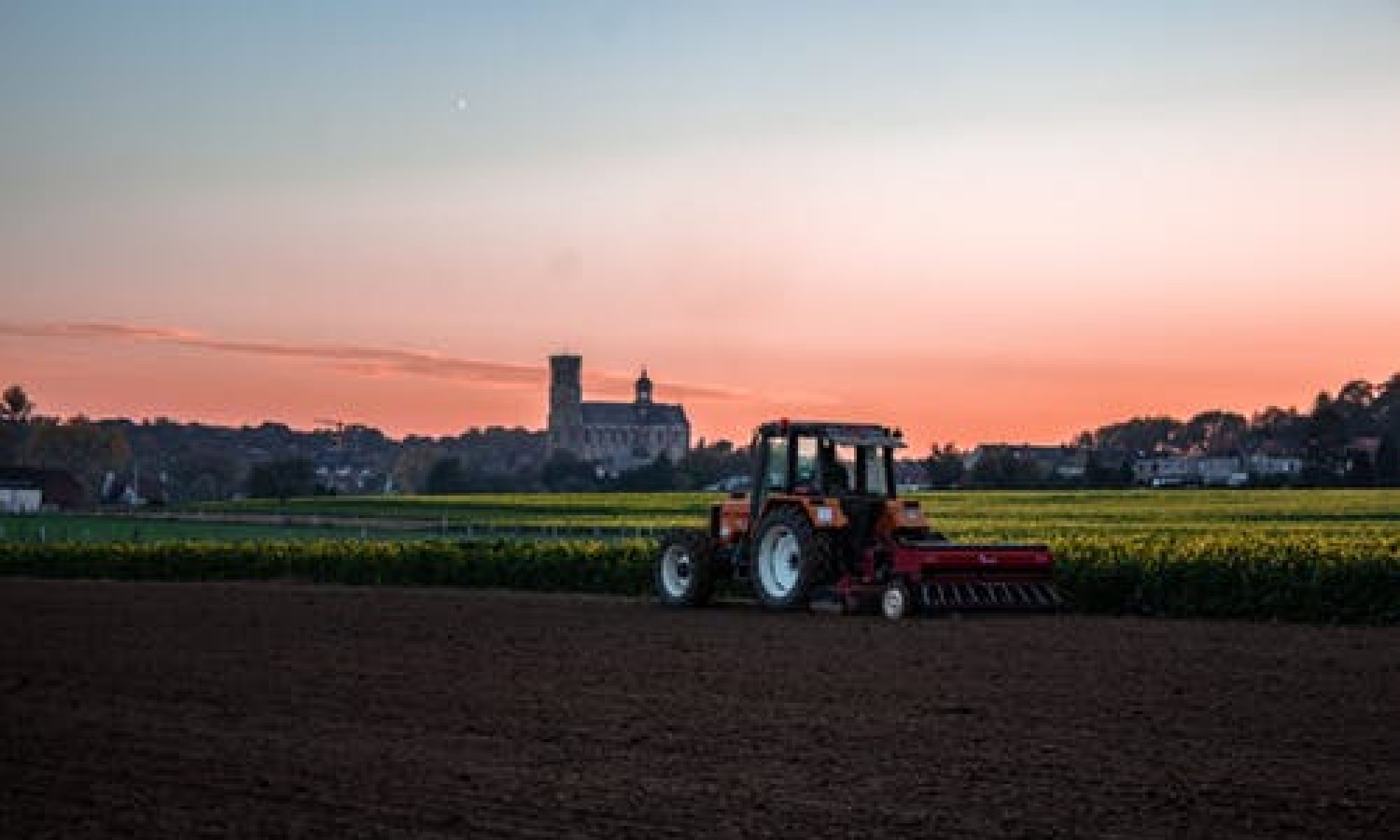

Some people grow up learning about life through books, classrooms, and carefully planned experiences. Max C. Sconyers Jr. learned many of his earliest lessons while completing farm chores in the agricultural landscape of southern Alabama. He was the eldest son and fifth child in a large farming family, where education mattered, work had to be finished, and responsibility was part of everyday life.
That background makes his journey into Haiti even more compelling. The man who had once balanced schoolwork with farm duties eventually found himself in a foreign country facing weapons, kidnapping, physical injury, violence, and the possibility that he might never make it home.
Killing Haitians: A Mission Through Hell & A Haitian Love Story tells the true account of those thirty days. It is a raw, personal, and sometimes disturbing story about good intentions, terrible danger, unexpected relationships, and the memories a survivor carries long after returning home. For readers looking for a Caribbean travel thriller memoir, this book delivers suspense that was lived rather than invented.
A Childhood Shaped by Farm Work 🚜
Farm life teaches its lessons without making a speech. Animals need attention whether someone feels rested or tired. Crops follow the weather rather than a convenient schedule. Equipment breaks at the wrong time. Chores continue through heat, mud, rain, and personal frustration.
Max grew up in a large southern farming family during the late 1950s in Alabama. His parents and grandfather valued education, but academic expectations never replaced the work waiting at home. School assignments and farm chores existed side by side. That combination helped form a young man who was energetic, adventurous, physically active, and accustomed to carrying responsibility.
The connection between agriculture and character remains familiar to rural families. Farmers understand that determination is rarely developed through comfort. It comes from long days, repeated setbacks, and the knowledge that unfinished work will still be there in the morning.
Readers who follow the USDA Newsroom see how frequently modern agriculture is affected by weather, markets, government decisions, labor conditions, transportation problems, and international events. Farming requires people to respond to circumstances they cannot fully control. That same habit of responding under pressure becomes important in Max’s story, although nothing on the farm could have completely prepared him for what waited in Haiti.
The Farmer’s Instinct to Keep Moving
Farmers are practical people. When a storm damages a fence, the fence still has to be repaired. When machinery fails during planting or harvest, someone has to find a solution. Panic wastes time, while steady action can prevent a difficult situation from becoming a disaster.
That practical instinct gives farming readers a natural connection to survival stories. They recognize the difference between performing bravery for attention and making the next necessary decision because there is no useful alternative.
During his thirty days in Haiti, Max received two bloody noses, was held at gunpoint, kidnapped, and eventually rescued. He also witnessed two Haitians being brutally beaten and killed. These were not carefully arranged scenes in a fictional thriller. They were real events involving real people, unpredictable motives, and consequences that continued after the immediate danger ended.
The suspense comes from the fact that Max did not know what would happen next. He could not skip ahead to the final chapter. He could not rely on an author to protect the main character. He had to react to each changing situation while surrounded by people whose intentions were not always clear.
That kind of uncertainty will feel familiar to anyone who follows the American Farm Bureau Federation’s agricultural news. Farmers regularly make decisions without knowing exactly what commodity prices, rainfall, regulations, disease, or input costs will look like months later. Max’s circumstances were far more immediate and violent, but his story carries the same underlying struggle between preparation and uncertainty.
Haiti Beyond the Vacation Postcard 🌴
The Caribbean is often presented as a place of blue water, bright sunlight, beaches, resorts, and temporary escape. Haiti contains natural beauty, but its complete story cannot be understood through vacation photographs.
Agriculture provides one way to see the country more clearly. Farming remains deeply connected to Haitian livelihoods, food supplies, trade, rural communities, and economic survival. The history of agriculture in Haiti includes local production, imported food, changing trade policies, land pressures, and the difficult circumstances faced by Haitian farmers.
This context matters because Killing Haitians does not take place in an empty tropical setting created for entertainment. Max entered a living country with its own history, relationships, hardships, faith, beauty, poverty, conflict, and resilience. The people surrounding him had lives before he arrived and continued facing their own realities after he left.
The book’s title is intentionally forceful, but the story is not a careless attack on the Haitian people. It describes an experience filled with violence while also recognizing compassion, loyalty, human connection, and love. The full title, A Mission Through Hell & A Haitian Love Story, reflects that tension.
Haiti becomes neither a perfect paradise nor a one-dimensional place of danger. It is presented through a personal account in which kindness and brutality can exist within the same journey. That complexity gives the memoir more emotional weight than a simple collection of shocking travel incidents.
A True Thriller Without a Manufactured Hero
Many adventure stories depend on a main character who always knows what to do. He remains calm, defeats the threat, protects everyone around him, and walks away without lasting damage. Max presents himself differently.
He openly describes a man who was struggling internally even before the most dangerous events occurred. He entered Haiti with good intentions, but good intentions did not make him invulnerable, perfectly prepared, or emotionally settled.
That honesty gives the memoir credibility. Max is not trying to present himself as a flawless rescuer descending upon another country. He writes as a complicated human being who carried his own turmoil into an environment he could not control. Haiti did not simply test his physical courage. It exposed his state of mind, his decisions, his relationships, and the distance between what he intended to accomplish and what actually happened.
Farmers understand this kind of humility. The land has a way of exposing poor planning, impatience, pride, and unrealistic expectations. Experience teaches confidence, but it also teaches respect for forces larger than any one person.
Agricultural reporting from sources such as Successful Farming often reflects that balance. The most useful farming stories do more than celebrate success. They examine mistakes, changing conditions, new risks, financial pressure, and the adjustments producers make when reality refuses to follow the original plan.
Max’s account follows a similar emotional pattern. Survival does not make every earlier decision wise. Rescue does not erase fear. Returning home does not remove the memories of people who suffered. The book allows those uncomfortable truths to remain part of the story.
Why Farmers May Connect With This Memoir
A farmer does not need to have traveled to Haiti to recognize the values running through this book. Work, endurance, responsibility, risk, family influence, faith, and human dependence are woven throughout Max’s life.
Farm communities are also familiar with stories passed directly from one person to another. A neighbor explains how a storm destroyed a crop. A grandfather recalls the year prices collapsed. A parent tells a child how the family held on during a difficult season. These stories preserve more than facts. They carry emotion, judgment, warning, gratitude, and memory.
Killing Haitians works in much the same way. Max combines his personal experiences with other firsthand accounts connected to Haiti. The result feels less like a distant historical summary and more like someone sitting nearby and finally telling the complete version of a story that has remained with him for years.
Readers who routinely follow Farm Journal’s AgWeb news are accustomed to accounts rooted in lived experience. Agricultural reporting frequently becomes most meaningful when statistics are connected to an actual family, farm, community, or decision. Max’s memoir uses that same human scale. Large subjects such as violence, poverty, international travel, cultural differences, and survival become personal because the reader experiences them through individual encounters.
The book also respects the reader enough to leave some emotional weight unresolved. Certain events cannot be reduced to a cheerful lesson. Some memories remain painful even when a person eventually finds peace.
A Story About Dependence and Human Connection
Farming may look independent from the outside, but successful agriculture depends on relationships. Producers rely on family members, mechanics, veterinarians, truck drivers, suppliers, lenders, neighbors, buyers, researchers, and countless others. One person may own the land, yet no farm truly operates in isolation.
Max’s survival also depended on other people. When control disappeared, relationships became more important than plans. Rescue, protection, loyalty, and affection came through individuals who were willing to become involved.
That human dependence is part of what separates the book from an ordinary action story. The danger is intense, but the people matter more than the spectacle. Haitian individuals are not merely background figures placed around the author. Their choices affect whether he is harmed, helped, abandoned, protected, or understood.
The Food and Agriculture Organization newsroom regularly covers the relationship between agriculture, hunger, livelihoods, resilience, and human cooperation around the world. Farming is never only about producing a crop. It is tied to whether families eat, communities remain stable, rural people earn a living, and nations withstand crisis.
That broader human connection is present throughout Max’s experience in Haiti. The story contains a mission, a near-fatal journey, and a love story because human beings cannot be neatly separated into categories of victim, rescuer, stranger, or threat. The relationships become complicated, and that complication gives the memoir its heart.
A Book That Replaces Comfortable Distance With Reality
It is easy to read a headline about unrest, poverty, kidnapping, or violence and continue with the day. Distance protects the reader from having to imagine the people involved as fully human.
A memoir removes some of that distance. It places the reader inside a vehicle, a room, a conversation, or a moment when the wrong decision could become permanent. It records physical details, fear, confusion, and the strange way ordinary thoughts can continue during extraordinary danger.
Max’s account does not allow Haiti to remain an abstract location on a map. The country becomes a place he remembers through specific people, injuries, threats, acts of courage, and emotional bonds.
Farmers may be especially receptive to this direct style of storytelling. Agricultural life leaves little room for pretending that difficult realities do not exist. Livestock die. Crops fail. Families disagree. Markets turn. Weather changes plans. Good people experience terrible seasons. Rural readers often appreciate a story that speaks plainly rather than polishing every painful edge.
That plainness is one of the strongest reasons to read Killing Haitians. The memoir offers excitement, but it does not treat suffering as a carnival attraction. The most disturbing moments carry consequences. The most hopeful moments feel earned.
Conclusion 🌾
He Grew Up on a Farm—Then Haiti Nearly Killed Him is more than an attention-grabbing description. It captures the enormous distance between Max C. Sconyers Jr.’s early life in a southern Alabama farming family and the thirty dangerous days that would later shape his memoir.
The farm taught him about labor, responsibility, endurance, and responding to circumstances outside his control. Haiti tested those qualities under conditions involving weapons, injury, kidnapping, rescue, violence, compassion, and love.
Killing Haitians: A Mission Through Hell & A Haitian Love Story deserves the attention of farmers, rural readers, travelers, memoir enthusiasts, and anyone drawn to true stories of survival. It offers the pace of a thriller while preserving the uncomfortable honesty of a personal reckoning.
The book also reminds readers that courage is not always loud or polished. Sometimes it is simply the decision to continue through the next dangerous hour. Sometimes it is accepting help. Sometimes it is returning home and finding the strength to tell what happened.
For a farmer accustomed to stories about difficult land, uncertain seasons, hard work, and people who refuse to quit, Max’s journey will feel both astonishingly distant and deeply familiar.


