The Best New Technology for Farms: Paving the Way for a Sustainable Future

farm technology


As the global population continues to grow, the pressure on the agricultural industry to produce more food sustainably has never been greater. In the face of climate change, resource constraints, and increasing demands, farmers are turning to cutting-edge technologies to improve efficiency, productivity, and sustainability. In this article, we will explore some of the best new technologies that are transforming the farming landscape, empowering farmers to meet the challenges of the 21st century head-on.

Precision Farming: Enhancing Efficiency and Reducing Waste

Precision farming is a game-changer for modern agriculture. This technology leverages a combination of sensors, GPS, and data analytics to enable farmers to optimize their farming practices. Soil sensors monitor moisture, nutrient levels, and temperature, providing valuable insights that allow farmers to apply the right amount of water and fertilizers precisely where and when they are needed. GPS-guided machinery ensures precise planting and harvesting, reducing overlaps and wastage.

Vertical Farming: A New Dimension to Agriculture

Vertical farming has emerged as a revolutionary solution for urban areas and regions with limited arable land. In this system, crops are grown in stacked layers, utilizing space more efficiently and reducing the need for expansive farmland. Controlled environment agriculture allows for year-round cultivation, independent of weather conditions, while LED lighting and hydroponics optimize resource use. Vertical farms have the potential to significantly cut transportation distances, leading to fresher produce and lower carbon emissions.

Drones and Robotics: Aerial Insights and Automated Farming

Drones and robotics have found their way into agriculture, transforming the way farmers manage their crops and livestock. Drones equipped with high-resolution cameras can survey large fields in a fraction of the time it would take a human, identifying problem areas and providing real-time data on crop health. Additionally, autonomous robots can perform repetitive tasks such as weeding, harvesting, and even milking, reducing labor costs and freeing up human resources for more complex tasks.

Internet of Things (IoT) in Agriculture: Connectivity and Data-Driven Farming

The Internet of Things (IoT) has extended its reach into agriculture, connecting various devices and sensors to form a smart and interconnected farming ecosystem. IoT-enabled systems such as IA-3133-U2i can monitor and control factors like temperature, humidity, and pest activity in greenhouses, ensuring optimal conditions for plant growth. Livestock monitoring systems equipped with IoT sensors help track the health and behavior of animals, enabling early detection of diseases and improving overall animal welfare. The vast amount of data collected through these devices provides invaluable insights that empower farmers to make data-driven decisions.

Artificial Intelligence (AI) for Crop Management

AI is revolutionizing crop management by predicting outcomes and optimizing decisions. Machine learning algorithms analyze vast amounts of data, including historical weather patterns, soil health, and crop performance, to predict the best planting times, crop rotations, and ideal cultivation practices. This not only maximizes yields but also minimizes the use of resources like water and fertilizers, making farming more sustainable in the long run.

Renewable Energy Integration

Renewable energy sources are playing a pivotal role in creating sustainable farming practices. Solar panels can power farms and greenhouses, reducing reliance on non-renewable energy sources and lowering the overall carbon footprint of agriculture. Additionally, wind turbines can be installed on large farms to generate electricity for on-site use or feed excess energy back into the grid.

Biotechnology Advancements: CRISPR and Beyond

Biotechnology has enabled genetic modifications that enhance crop resistance, improve nutritional content, and increase yields. The CRISPR-Cas9 gene-editing tool has shown great promise in developing crops that can withstand harsh environmental conditions and resist pests naturally. This advancement reduces the reliance on chemical pesticides and promotes eco-friendly farming practices.

Aquaponics: A Synergistic Approach to Farming

Aquaponics is an innovative farming technique that combines aquaculture (fish farming) and hydroponics (growing plants in water). Fish waste provides nutrients for the plants, while the plants filter and purify the water for the fish. This symbiotic relationship creates a closed-loop system, minimizing waste and water usage while yielding both fish and vegetables.

Conclusion

The best new technologies for farms represent a glimpse into the future of agriculture, where sustainability, efficiency, and productivity converge. Precision farming, vertical farming, drones, robotics, IoT, AI, renewable energy integration, biotechnology, and aquaponics are revolutionizing the way we produce food, ensuring that we can meet the growing demand while safeguarding the environment for generations to come. By embracing these cutting-edge solutions and investing in innovative approaches, farmers are paving the way for a more sustainable and food-secure future. As we continue to push the boundaries of technological innovation, the agricultural sector will play a central role in feeding the world and safeguarding our planet’s precious resources.


The Golden Elixir: How Oil Benefits Gardening and Boosts Green Thumbs

oil benefits for gardening


When we think of oil, the first thing that comes to mind is its association with machinery and engines. However, what many don’t know is that oil can also be an invaluable asset in the realm of gardening. From enhancing soil fertility to providing pest control solutions, the applications of various oils in gardening are vast and diverse. In this article, we will delve into the world of gardening and explore how oils can be a gardener’s best friend, unlocking the full potential of their green spaces. Whether you’re a seasoned gardener or a novice, the following information will inspire you to embrace the golden elixir for your gardening endeavors.

Understanding the Types of Beneficial Oils

Before we dive into the applications of oils in gardening, it’s essential to understand the types of oils that offer benefits to plants and soil. Generally, there are two categories: essential oils and horticultural oils.

Essential Oils: Essential oils are derived from various plant sources and are known for their aromatic properties. These oils are excellent for gardening due to their natural pest-repelling abilities. For instance, neem oil, derived from the neem tree, is a powerful insect deterrent. Peppermint oil can keep ants and aphids at bay, while lavender oil is effective against mosquitoes and moths.

Horticultural Oils: Horticultural oils, also known as dormant oils, are derived from petroleum and other mineral sources. They are used primarily for pest control and disease prevention. These oils work by suffocating pests like mites, scales, and aphids, making them an eco-friendly alternative to chemical pesticides.

The Benefits of Using Oil in Gardening

Soil Enrichment: One of the primary advantages of using oil in gardening is its ability to enhance soil fertility. Certain oils, such as castor oil, are rich in nutrients that plants require for healthy growth. When mixed with the soil, these oils provide a slow-release source of nutrition, promoting robust root development and overall plant vitality.

Pest Control and Disease Management: Oils are nature’s own pest control solution. As mentioned earlier, essential oils like neem, peppermint, and lavender effectively repel a wide range of pests. Additionally, horticultural oils create a physical barrier that suffocates pests and prevents them from harming the plants. By incorporating these oils into your gardening practices, you can significantly reduce the need for harsh chemical pesticides and protect beneficial insects.

Weed Suppression: Weeds can be a constant headache for gardeners, competing for nutrients and space with desired plants. Some horticultural oils, when used as a pre-emergent treatment, can suppress weed growth by preventing their seeds from germinating. This natural weed control method helps maintain a tidy and healthy garden without resorting to synthetic herbicides.

Moisture Retention: Keeping the soil adequately moisturized is essential for plant health, especially during dry spells. Oils, when applied in appropriate amounts, can aid in moisture retention by creating a thin film on the soil’s surface. This layer helps slow down water evaporation, ensuring that the plants have access to water for a more extended period.

Oil Application Methods

Foliar Sprays: One of the most common methods of applying oils to plants is through foliar sprays. Diluted essential oils or horticultural oils can be sprayed directly on the foliage, allowing the plant to absorb the beneficial properties quickly. Foliar sprays are particularly useful for pest control, disease management, and even providing nutrients to the plant when using essential oils.

Soil Drenching: Soil drenching involves applying oil solutions directly to the root zone of plants. This method is ideal for nutrient delivery and soil enrichment. As the oil gradually breaks down, it releases essential elements that nourish the roots and enhance the soil structure.

Composting with Oils: Some consulting firms for oil and gas told me oils can also be incorporated into the composting process, further enriching the compost pile. When added in controlled amounts, oils can accelerate the decomposition of organic matter and improve the quality of the resulting compost.

Conclusion

As we have explored in this article, oil is indeed a gardener’s best friend, offering a multitude of benefits for both plants and soil. From providing vital nutrients to enhancing pest control and disease management, oils have proven their worth as a sustainable and eco-friendly gardening solution. By embracing the golden elixir, gardeners can harness its powers to create flourishing green spaces that are not only visually appealing but also teeming with life.

In a world increasingly aware of the environmental impact of chemical-based products, the integration of oils into gardening practices represents a step towards a more sustainable and harmonious relationship with nature. So, the next time you tend to your garden, consider adding a dash of oil to unleash its magical potential and watch your garden bloom with vibrancy and health. Happy gardening!

The Best Plants to Thrive in Tampa, FL’s Subtropical Paradise

plants to grow in Tampa


Tampa, Florida, with its warm climate, abundant sunshine, and subtropical environment, provides an excellent setting for gardening enthusiasts. The region’s unique weather conditions create an ideal environment for a wide variety of plants to flourish. Whether you’re an experienced gardener or a beginner, Tampa’s plant options are bound to impress you. In this comprehensive guide, we will explore the best plants that not only survive but thrive in Tampa’s climate. From vibrant flowers to luscious foliage, we’ll cover it all. So, let’s dive in and discover the green wonders that can adorn your Tampa garden!

Understanding Tampa’s Climate

Before delving into the plant selection, it’s essential to grasp the climate of Tampa. Located on Florida’s Gulf Coast, Tampa experiences a humid subtropical climate with hot summers and mild winters. The average temperature ranges from 70°F to 90°F (21°C to 32°C) in summer and 52°F to 72°F (11°C to 22°C) in winter. Rainfall is abundant throughout the year, with the wettest months being June through September.

Beautiful Flowering Plants

Hibiscus (Hibiscus rosa-sinensis): Known for its stunning flowers in various colors, the Hibiscus thrives in Tampa’s heat. Regular watering and well-draining soil will ensure healthy growth.

Bougainvillea (Bougainvillea spp.): A true tropical beauty, the Bougainvillea’s vibrant bracts add a splash of color to any garden. These hardy plants are drought-tolerant once established.

Plumeria (Plumeria spp.): Famous for its delightful fragrance and mesmerizing flowers, the Plumeria is well-suited to Tampa’s climate. It requires a sunny spot and protection from cold snaps.

Ixora (Ixora spp.): This evergreen shrub offers clusters of bright flowers throughout the year, making it a favorite for Tampa gardens. Regular pruning encourages continuous blooms.

Luscious Foliage Plants

Croton (Codiaeum variegatum): With its strikingly colorful leaves, the Croton adds a tropical touch to gardens and landscapes. It thrives in partial shade and well-draining soil.

Palm Trees (Arecaceae family): No tropical landscape is complete without palm trees. Varieties like the Sabal palm and Foxtail palm are well-adapted to Tampa’s climate.

Caladium (Caladium spp.): These heart-shaped leafy plants come in an array of colors and patterns, ideal for adding a splash of color to shaded spots.

Philodendrons (Philodendron spp.): As low-maintenance indoor plants or outdoor climbers, Philodendrons are perfect for Tampa’s climate. They thrive in filtered sunlight and well-drained soil.

Delicious Edible Plants

Citrus Trees (Citrus spp.): Citrus trees, such as oranges, lemons, and grapefruits, adore Tampa’s climate. They require full sun exposure and regular fertilization.

Mango Trees (Mangifera indica): For a taste of the tropics, consider growing mango trees. They need protection from occasional cold spells when young.

Pineapple (Ananas comosus): You can grow pineapples in Tampa! These drought-tolerant plants are excellent for container gardening.

Hardy Native Plants

Firebush (Hamelia patens): As a native plant, Firebush is well-adapted to Tampa’s weather and attracts hummingbirds and butterflies with its tubular flowers.

Coontie (Zamia integrifolia): A Tampa health care advocate told me coontie is a low-maintenance and ancient plant that adds a touch of prehistoric Florida to your garden.

Herbs and Vegetables

Basil (Ocimum basilicum): This versatile herb thrives in Tampa’s climate and can be grown in pots or garden beds.

Tomatoes (Solanum lycopersicum): With proper care, you can harvest juicy, homegrown tomatoes throughout the year in Tampa.

Conclusion

Tampa, FL, provides a paradise for gardeners, offering a wide array of plants that can flourish in its subtropical climate. From colorful flowering plants like Hibiscus and Bougainvillea to delicious fruits like citrus trees and mangoes, the options are diverse and exciting. The key to successful gardening in Tampa lies in understanding the specific needs of each plant and providing the right care. Whether you’re looking to create a lush tropical oasis or a thriving vegetable garden, the plants discussed in this guide will undoubtedly transform your Tampa garden into a green haven of natural beauty. So, roll up your sleeves, get your gardening tools ready, and embark on an adventure of planting wonders in Tampa’s subtropical paradise! Happy gardening!

The Melodic Green Thumb: How Music Helps Plants Grow

plants and music


The intrinsic connection between humans and plants has been acknowledged for centuries. We have long recognized that plants require sunlight, water, and nutrients to thrive, but could there be another element that influences their growth? Recent studies have shown that music, the universal language of emotions, can have a profound impact on the development and well-being of plants. In this article, we delve into the fascinating world of how music affects plant growth, exploring the scientific evidence, underlying mechanisms, and practical applications. Prepare to discover the harmonious potential that lies within our green companions.

The Influence of Sound Vibrations on Plant Physiology

The Early Roots of Sonic Stimulation:

    • Historical background: The influence of music on plants has ancient roots, with civilizations such as the ancient Greeks and Native Americans employing sound in agricultural practices.
    • Pioneering studies: The pioneering work of Indian scientist Sir Jagadis Chandra Bose in the early 20th century laid the foundation for understanding the impact of sound vibrations on plant physiology.

Sonic Stimulation and Plant Growth:

      • Resonance and frequency: Sound vibrations can induce resonance in plants, affecting their cellular processes and growth patterns.
      • Stimulation of nutrient uptake: Certain frequencies of sound have been found to enhance nutrient absorption, leading to healthier and more vigorous plant growth.
      • Altering gene expression: Studies have demonstrated that music can modify gene expression in plants, influencing their growth and development.

The Effects of Music on Plant Development

Music Genres and Plant Responses:

    • Classical symphonies: Classical music, with its harmonious and complex compositions, has been found to promote plant growth and increase crop yields.
    • Serenading with jazz: The improvisational nature of jazz music through

      bluetooth audio interface can have a stimulating effect on plant metabolism and photosynthesis.

    • Serene melodies of nature: Nature sounds, such as bird songs or gentle rain, can create a soothing environment that promotes plant health and overall well-being.

The Power of Rhythm and Beats:

      • The rhythm of growth: The rhythmic patterns of music align with the natural growth cycles of plants, fostering a harmonious relationship.
      • Benefits of beats: Certain rhythmic beats can stimulate stomatal opening, improving gas exchange and facilitating efficient photosynthesis.

Unveiling the Mechanisms: How Music Influences Plants

Sonic Signaling and Phytohormones:

    • Plant response to sound waves: Plants have specialized receptors that detect sound waves and trigger hormonal responses.
    • Phytohormones and growth promotion: Music can influence the production and distribution of plant hormones, regulating growth, and development.

Emotional Resonance and Vibrational Energy:

      • Emotional connection: Plants respond to the emotional energy carried by music, which can positively impact their growth and resilience.
      • The power of intention: Studies suggest that the intention behind playing music can amplify its effects on plant physiology.

Applying the Music-Mind Connection

Agricultural and Horticultural Practices:

Increased crop yields: Implementing music in agricultural practices has shown promising results in boosting crop yields and improving overall plant health.

Indoor gardening: Playing music in indoor gardens and greenhouses can mimic the natural outdoor environment, enhancing plant growth.


Gardening at Home:

      • Musical preferences: Tailoring music to plants’ specific needs and preferences can yield better results.
      • Experimenting with genres: Engaging in personal experiments with different genres and melodies can be a rewarding journey for both plants and gardeners.

Conclusion

The language of music transcends human boundaries, extending its influence to the botanical world. Through sound vibrations, rhythm, and emotional resonance, music has the power to stimulate plant growth, optimize nutrient uptake, and enhance overall plant well-being. While more research is still needed to uncover the intricacies of this harmonious relationship, integrating music into agricultural and gardening practices holds immense potential. So, let us continue to explore the melodic green thumb and discover the symphony that lies within the world of plants.

The Flourishing Bounty: Best Types of Plants to Grow in Arkansas

Arkansas plants


Arkansas, the natural gem of the Southern United States, offers a diverse and favorable climate for gardening enthusiasts. With its temperate weather, ample rainfall, and fertile soil, this state presents an ideal environment for cultivating a wide range of plants. Whether you are an avid gardener or a novice, Arkansas provides an opportunity to embrace the joy of gardening and witness the bountiful beauty that nature can bestow. In this article, we will explore the best types of plants to grow in Arkansas, from vibrant flowering perennials to delicious fruits and vegetables.

Ornamental Plants

Azaleas: Renowned for their stunning springtime display of vibrant blooms, azaleas thrive in Arkansas’s mild climate. They prefer slightly acidic soil and partial shade, making them an excellent choice for adding color and texture to your garden.

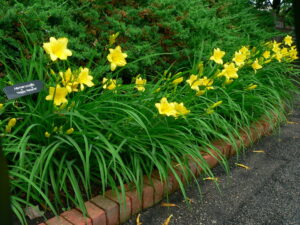
Daylilies: With their mesmerizing array of hues, daylilies are a popular choice for Arkansas gardens. These hardy perennials are low-maintenance and can adapt to various soil conditions, providing a long-lasting splash of color throughout the summer.

Coneflowers: Known for their tall stems and distinctive daisy-like petals, coneflowers are drought-tolerant plants that flourish in Arkansas’s hot summers. These native wildflowers attract pollinators and add a touch of natural beauty to any garden.

Fruits and Vegetables

Tomatoes: Arkansas’s warm climate offers an excellent environment for growing delicious tomatoes. Choose from a variety of heirloom or hybrid cultivars and enjoy the thrill of harvesting juicy, sun-ripened tomatoes straight from your garden.

Peppers: From sweet bell peppers to spicy chili varieties, peppers thrive in Arkansas’s long, hot summers. These versatile plants are not only visually appealing but also add flavor and zest to your culinary creations.

Strawberries: With their sweet and succulent berries, strawberries make a delightful addition to any Arkansas garden. They can be grown in containers or traditional beds and provide a harvest of fresh, flavorful fruits.

Squash: Arkansas’s fertile soil supports the growth of various types of squash, such as zucchini and yellow squash. These prolific plants offer abundant yields and are a versatile ingredient in many delicious recipes.

Blackberries: Native blackberries are well-suited to Arkansas’s climate and can thrive in both sunny gardens and shady areas. These bramble fruits reward gardeners with their juicy and tangy berries, perfect for jams, pies, or simply enjoying fresh off the vine.

Native Plants

Dogwood Trees: The dogwood, with its delicate white or pink blooms, is the official state tree of Arkansas. An Arkansas leadership management training institute who grows dogwood trees for their office space told me these beautiful trees thrive in the state’s acidic soil and provide stunning displays of flowers in the spring, followed by vibrant fall foliage.

Eastern Redbuds: Native to Arkansas, Eastern Redbuds are small trees known for their captivating pink or purple flowers. These early bloomers add a burst of color to the landscape and attract pollinators.

Butterfly Milkweed: As an essential host plant for monarch butterflies, butterfly milkweed is a valuable addition to any Arkansas garden. Its vibrant orange flowers and ability to attract butterflies make it both visually appealing and ecologically significant.

Conclusion

Arkansas’s favorable climate and fertile soil make it a haven for gardening enthusiasts. From the vibrant hues of azaleas and daylilies to the mouthwatering flavors of tomatoes and peppers, the range of plants that thrive in this state is truly impressive. By embracing native plants and incorporating a variety of ornamentals, fruits, and vegetables, you can create a vibrant and diverse garden that will bring joy and beauty throughout the seasons. So, unleash your green thumb and embark on the rewarding journey of gardening in Arkansas, where the flourishing bounty of nature awaits you.

The Best Architecture Designed Gardens: Where Nature and Art Converge

garden architecture


Gardens have always been spaces of tranquility and beauty, providing solace to those seeking respite from the hustle and bustle of city life. However, some gardens transcend the ordinary, embodying the harmonious fusion of nature and architectural brilliance. These architecture designed gardens captivate the imagination, inspiring visitors with their stunning aesthetics, innovative designs, and immersive experiences. In this article, we will explore some of the world’s most remarkable architecture-designed gardens, where art and nature converge to create enchanting landscapes.

The Gardens of Versailles, France: A Timeless Marvel 

The Palace of Versailles in France stands as an emblem of grandeur, and its gardens are no exception. Designed by André Le Nôtre in the 17th century, the Gardens of Versailles epitomize the French formal garden style. Stretching over 800 hectares, this masterpiece features meticulously manicured lawns, geometrically aligned parterres, ornate fountains, and symmetrical groves. The garden’s grandeur lies in its expansive perspectives, carefully planned pathways, and the strategic placement of sculptures and architectural elements, such as the Grand Canal and the famous Apollo Fountain.

The Butchart Gardens, Canada: A Symphony of Floral Splendor 

Nestled on Vancouver Island in British Columbia, Canada, the Butchart Gardens is a captivating example of transforming a former limestone quarry into a horticultural wonderland. Started by Jennie Butchart in the early 20th century, this garden is a testament to the power of vision and creativity. The Butchart Gardens’ design incorporates a variety of themes, including the Sunken Garden, the Rose Garden, and the Japanese Garden, each with its own distinct atmosphere. Throughout the gardens, visitors are treated to a harmonious blend of vibrant flowers, elegant pathways, and charming architectural accents.

The High Line, USA: Urban Oasis in the Concrete Jungle 

In the heart of New York City, the High Line offers a striking example of repurposing urban infrastructure. Once an elevated railway track, this 1.45-mile-long park was transformed into a verdant oasis by the collaborative efforts of landscape architects and designers. The High Line combines nature-inspired plantings, contemporary art installations, and architectural elements to create a unique and immersive experience for visitors. As you stroll along this elevated park, you can admire panoramic views of the cityscape, relax in carefully designed seating areas, and appreciate the innovative integration of green spaces amidst the bustling metropolis.

The Alhambra, Spain: Moorish Splendor Amidst Gardens 

Situated in Granada, Spain, the Alhambra is a UNESCO World Heritage Site renowned for its exquisite Islamic architecture and magnificent gardens. The Generalife, the Alhambra’s garden complex, showcases the delicate interplay between water, greenery, and architectural design. A Los Angeles architectural projects leader told me the gardens feature intricate fountains, reflecting pools, geometrically patterned walkways, and fragrant flower beds. As you explore the Generalife, you’ll be transported back in time, marveling at the ingenious use of water as it cascades through the gardens, bringing coolness and serenity to this arid region.

The Singapore Botanic Gardens, Singapore: A Tropical Paradise 

Enveloped by the bustling cityscape, the Singapore Botanic Gardens is a testament to Singapore’s commitment to greening and biodiversity. This sprawling 160-year-old garden is not only a lush oasis but also a prime example of garden design excellence. With diverse plant collections, themed gardens, and architectural features, such as the iconic National Orchid Garden, visitors are treated to a multisensory journey through Singapore’s rich botanical heritage. The Singapore Botanic Gardens seamlessly combines artful landscaping, historical landmarks, and scientific research, making it a treasure trove for nature enthusiasts and garden lovers.

Conclusion

Architecture-designed gardens are more than just green spaces; they are living works of art that bridge the gap between nature and human creativity. The Gardens of Versailles, the Butchart Gardens, the High Line, the Alhambra, and the Singapore Botanic Gardens are among the world’s most outstanding examples of garden design. Through their meticulously crafted landscapes, captivating architecture, and thoughtful integration of natural elements, these gardens inspire awe, evoke emotions, and provide a sanctuary where visitors can reconnect with the beauty of the natural world. In these exceptional spaces, the boundaries between art and nature blur, inviting us to explore and appreciate the enchanting intersection of architecture and gardens.

What Kind of Plants Can You Grow in a Kitchen

plants to grow in a kitchen


The joy of growing plants is not limited to outdoor gardens or spacious backyards. With limited space becoming a common constraint in modern living, indoor gardening has gained popularity, offering an opportunity to bring nature indoors. One of the most convenient places to grow plants indoors is the kitchen, where ample sunlight, water sources, and easy access make it an ideal spot for cultivating a variety of plants.

In this article, we will explore the exciting world of kitchen gardening and delve into the different types of plants that thrive in this environment. Whether you have a spacious kitchen or a cozy apartment, you can create a green oasis right in the heart of your home.

Herbs

Basil: Basil is a versatile herb that is easy to grow in the kitchen. Its aromatic leaves add a burst of freshness to various culinary dishes, making it a must-have for any kitchen garden. Basil thrives in warm, sunny spots and requires regular watering.

Mint: Mint is a popular herb known for its refreshing aroma and numerous culinary uses. It is a fast-growing plant that does well in pots or hanging baskets. Mint prefers partial shade and regular watering.

Parsley: Parsley is a biennial herb that is commonly used as a garnish and flavor enhancer in various dishes. It grows well in containers and requires moderate sunlight and consistent watering.

Chives: Chives are a member of the onion family and are valued for their mild onion flavor. These hardy herbs can be grown indoors year-round and prefer moderate sunlight and well-drained soil.

Leafy Greens

Lettuce: Lettuce is a popular leafy green that is easy to grow in the kitchen. It thrives in cooler temperatures and requires moderate sunlight. There are various lettuce varieties, including loose-leaf, romaine, and butterhead, each offering unique textures and flavors.

Spinach: Spinach is a nutrient-dense leafy green that can be grown indoors. It prefers cooler temperatures and moderate sunlight. Regular harvesting encourages new growth and ensures a continuous supply of fresh leaves.

Kale: Kale is a hardy green vegetable that can withstand a range of temperatures. It is packed with vitamins and minerals and can be grown in pots or containers. Kale requires ample sunlight and regular watering.

Swiss Chard: Swiss chard is an attractive leafy green with vibrant stems and large leaves. It is a versatile plant that can be grown in the kitchen. Swiss chard thrives in partial shade and moist soil.

Microgreens

Microgreens are young, tender greens that are harvested when they have developed their first true leaves. They are packed with nutrients and have gained popularity in recent years. Here are some microgreens that can be grown in the kitchen:

Radish: Radish microgreens have a mild, peppery flavor and add a delightful crunch to salads and sandwiches. They grow quickly and are ready to harvest within a couple of weeks.

Sunflower: Sunflower microgreens have a nutty flavor and are rich in vitamins and minerals. They require a bit more space to grow due to their size but can be a visually appealing addition to your kitchen garden.

Pea Shoots: Pea shoots are tender and have a slightly sweet taste. They are easy to grow and can be ready for harvest in a couple of weeks. Pea shoots thrive in partial shade and require consistent moisture.

Broccoli: Broccoli microgreens have a mild, broccoli-like flavor and are packed with nutrients. They are relatively easy to grow and can be harvested within two weeks. Broccoli microgreens prefer moderate sunlight and regular watering.

Succulents and Aloe Vera

Succulents and aloe vera are low-maintenance plants that can thrive in the kitchen environment. An affordable kitchens contractor told me these plants require minimal watering and can add a touch of greenery to your kitchen windowsill. Succulents come in various shapes and sizes, offering a wide range of options to suit your taste.

Conclusion

Growing plants in your kitchen not only provides fresh produce and herbs for your culinary creations but also enhances the ambiance and air quality of your home. Whether you have a spacious kitchen or limited countertop space, there are numerous options available to bring the beauty of nature indoors. From herbs like basil and mint to leafy greens like lettuce and kale, and even microgreens and succulents, the choices are vast. Embrace the joy of kitchen gardening and transform your cooking space into a vibrant, green oasis that nourishes both your body and soul. Happy gardening!

How to Build a Greenhouse: Cultivating Nature’s Bounty at Home

building a greenhouse


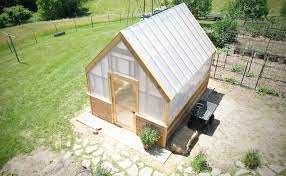
Greenhouses offer an exceptional way to extend the growing season, protect delicate plants, and create an ideal environment for cultivating a wide variety of crops. Whether you’re an avid gardener, a plant enthusiast, or simply seeking to enhance your sustainable lifestyle, building a greenhouse can be a rewarding and environmentally friendly project. In this comprehensive guide, we will explore the step-by-step process of constructing a greenhouse, from planning and design to selecting materials and maintaining optimal conditions. Let’s embark on this exciting journey to create a thriving oasis of greenery right in your backyard.

Planning and Design

Assessing your needs: Begin by determining your objectives for the greenhouse. Are you interested in growing vegetables, flowers, or both? Will you need space for seedlings, potted plants, or tall-growing crops? Consider your available area, budget, and local climate to establish the size and type of greenhouse that best suits your requirements.

Choosing a location: Select a location that receives ample sunlight throughout the day and is shielded from strong winds. Ideally, the greenhouse should face south to maximize exposure to sunlight. Take into account the proximity to a water source and ensure adequate drainage to prevent water accumulation.

Greenhouse types: Explore different greenhouse designs, such as lean-to, freestanding, or geodesic domes, to find the one that fits your space and aesthetic preferences. Consider the materials, cost, and complexity of construction for each type.

Gathering Materials and Tools

Frame materials: Select a suitable material for the greenhouse frame, such as wood, aluminum, or PVC. Each material has its advantages and considerations in terms of durability, cost, and ease of assembly. Choose materials that are resistant to weather conditions and corrosion.

Covering materials: Decide on the type of covering material for the greenhouse, such as glass, polycarbonate panels, or polyethylene film. Glass provides excellent light transmission but can be expensive and fragile. Polycarbonate panels offer good insulation and durability, while polyethylene film is affordable and easy to install but may require more frequent replacement.

Essential tools: Prepare a set of tools including a tape measure, level, hammer, screwdriver, drill, saw, and safety equipment like gloves and goggles. Depending on the greenhouse design, additional tools may be required.

Construction Process

Foundation: Begin by preparing a solid foundation to provide stability and protect the greenhouse from shifting or sinking. Options include concrete, treated lumber, or gravel.

Frame assembly: Follow the design plans to construct the greenhouse frame, ensuring accurate measurements and sturdy connections. Pay attention to bracing and reinforcement for stability, especially in areas prone to high winds or heavy snow.

Cover installation: A Plano Shingle Roofing business owner told me to install the chosen covering material, ensuring a tight fit to prevent air leaks and maximize insulation. Secure the material to the frame using appropriate fasteners, such as screws or clips.

Ventilation and temperature control: Incorporate vents, windows, or fans to regulate airflow and control temperature and humidity levels within the greenhouse. This is crucial for plant health and disease prevention.

Irrigation and watering systems: Design and install an efficient irrigation system, such as drip irrigation or misting, to provide consistent moisture to your plants. Consider rainwater harvesting methods to reduce water consumption.

Greenhouse Maintenance

Pest and disease management: Implement preventive measures to keep pests and diseases at bay, such as proper sanitation, regular inspection, and biological controls. Maintain a clean and organized greenhouse environment to minimize potential infestations.

Watering and fertilization: Monitor the moisture levels in the greenhouse and adjust watering accordingly. Implement a fertilization schedule tailored to the specific needs of your crops, ensuring optimal nutrient levels for healthy growth.

Cleaning and maintenance: Regularly clean the greenhouse structure, including the covering material, to maintain optimal light transmission. Inspect the frame for signs of wear or damage and make any necessary repairs promptly.

Conclusion

Building a greenhouse opens up a world of possibilities for year-round gardening and sustainable plant cultivation. By following the steps outlined in this guide, you can create an efficient and environmentally friendly space to nurture your green thumb. Remember to tailor your greenhouse to your specific needs, consider the local climate, and invest in quality materials. With patience, dedication, and attention to maintenance, you’ll soon be reaping the rewards of a bountiful greenhouse filled with thriving plants and the joy of nurturing nature right in your own backyard.

Why Garden Centers Should Use Security Cameras

security cameras for garden centers


Garden centers are places of tranquility and beauty, where customers can immerse themselves in nature and explore a wide variety of plants, flowers, and gardening supplies. However, with the rise in thefts, vandalism, and other security concerns, it has become essential for garden centers to implement robust security measures to protect their assets and provide a safe environment for both customers and employees. One of the most effective security tools for garden centers is the use of security cameras. In this blog post, we will explore the reasons why garden centers should embrace security cameras as a vital component of their overall security strategy.

Deterrence against theft and vandalism

Security cameras act as a powerful deterrent against theft and vandalism. The mere presence of cameras can significantly reduce the likelihood of criminal activities occurring in a garden center. Potential thieves and vandals are less likely to target a store with visible security cameras, as they know their actions are being monitored and recorded. This proactive approach can discourage criminal behavior, protecting the garden center’s merchandise and assets.

Employee and customer safety

Garden centers often have a large number of customers and employees on the premises, especially during peak seasons. Security cameras play a crucial role in ensuring the safety of both parties. Cameras positioned strategically can monitor the entire area, including parking lots and entry points, helping to identify potential threats and providing valuable evidence in case of any incidents. This added layer of security enhances the overall well-being of everyone present, promoting a sense of security and trust.

Investigation and evidence collection

In the unfortunate event of theft, vandalism, or any other criminal activity, security cameras serve as invaluable tools for investigation and evidence collection. High-quality cameras capture detailed footage that can be used by law enforcement authorities to identify perpetrators and build a solid case against them. Additionally, recorded video footage can also assist insurance claims, ensuring that the garden center receives the appropriate compensation for any damages or losses incurred.

Employee accountability and productivity

Security cameras not only protect against external threats but also help manage internal concerns. By monitoring employee activities, garden center owners can ensure that staff members are adhering to protocols and performing their duties efficiently. This can promote a more productive work environment and discourage any misconduct or unauthorized activities. Moreover, security cameras can serve as a training tool, allowing managers to review footage and provide constructive feedback to employees, thereby improving overall performance.

Remote monitoring and management

With advancements in technology, security camera systems now offer remote monitoring capabilities. This feature is particularly beneficial for garden centers that may have multiple locations or for owners who cannot be physically present at all times. Through remote access, owners and managers can monitor their garden centers in real-time, addressing any potential security issues promptly. Remote monitoring also enables proactive responses to emergencies, reducing response times and minimizing potential damage or losses.

Customer service and experience enhancement

Security cameras not only contribute to the security aspect of a garden center but can also be utilized to improve customer service and experience. A Winter Garden Security Camera specialist told me by monitoring customer movements and behaviors, garden center owners can gain valuable insights into customer preferences, popular product areas, and traffic patterns. This data can inform business decisions, such as product placement, store layout improvements, and staffing adjustments, ultimately leading to a more personalized and satisfying customer experience.

Conclusion

As garden centers face increasing security challenges, the adoption of security cameras becomes a necessity rather than an option. By investing in a comprehensive security camera system, garden centers can effectively deter theft and vandalism, ensure the safety of employees and customers, and provide valuable evidence for investigations. Moreover, security cameras promote employee accountability and productivity while facilitating remote monitoring and management. By leveraging security camera footage, garden center owners can enhance customer service and optimize the overall shopping experience.

Embracing security cameras not only safeguards a garden center’s assets but also fosters a sense of trust, security, and well-being among customers and employees. In an evolving world where security concerns are ever-present, the implementation of security cameras is a proactive measure that can significantly contribute to the success and sustainability of garden centers.

Protect Your Paradise: Safeguarding Your Garden from Fire

garden fire safety


A garden is a place of tranquility and beauty, a sanctuary where we can escape the pressures of everyday life. However, the threat of fire can quickly turn this idyllic retreat into a disaster zone. As climate change intensifies, wildfires have become more frequent and devastating. It is essential to take proactive measures to safeguard your garden against fire hazards. In this article, we will explore a range of strategies and precautions you can implement to keep your garden safe from fire, ensuring its longevity and the well-being of your loved ones.

A well-maintained garden is a source of pride for homeowners. It provides a tranquil and beautiful outdoor space for relaxation and entertainment. However, amidst the joys of gardening, one must not overlook the potential risks that come with it, particularly the threat of fire. As devastating wildfires continue to make headlines worldwide, it is crucial to take proactive measures to protect your garden from fire hazards. In this article, we will explore effective strategies and best practices to keep your garden safe from fire.

Understanding Fire Hazards in the Garden Before diving into preventive measures, it is essential to grasp the common fire hazards that can pose a risk to your garden. By understanding these hazards, you can take targeted action to mitigate potential fire dangers. The following are the primary sources of fire hazards in a garden:

Dry and Overgrown Vegetation: Overgrown plants, dry leaves, and accumulated debris act as fuel for fires, facilitating the rapid spread of flames.

Combustible Structures: Wooden structures such as sheds, fences, and trellises can easily catch fire and become conduits for spreading flames.

Flammable Materials: Storing flammable materials like gas cans, propane tanks, or chemicals in the garden increases the risk of fire.

Electrical Equipment: Faulty wiring, damaged cables, and improperly maintained electrical equipment can lead to electrical fires, particularly in outdoor spaces.

Essential Steps to Fireproof Your Garden Now that we understand the potential hazards, let’s delve into the practical steps you can take to keep your garden safe from fire:

Create a Firebreak Zone

a. Maintain a Defensible Space: Clear vegetation and debris around your property to create a defensible space, typically a 30-foot radius. This space acts as a barrier, reducing the risk of fire reaching your garden.

b. Install Hardscaping Features: Consider using non-flammable materials such as stones, gravel, or concrete for pathways and patio areas. These hardscaping features create firebreaks and impede the spread of flames.

Choose Fire-Resistant Plants

a. Select Less Flammable Species: Opt for plants with higher moisture content and low resin or sap content. Examples include deciduous trees like maple, ash, or poplar, and shrubs like hydrangeas or rhododendrons.

b. Space Plants Appropriately: Avoid overcrowding plants, as it increases the risk of fire spreading. Maintain proper spacing between trees, shrubs, and other vegetation to prevent the rapid spread of flames.

Prune and Maintain Plants Regularly

a. Trim Dead Branches: Remove dead branches and plants promptly, as they are more prone to catching fire.

b. Clear Leaf Litter: Regularly rake and remove dry leaves and other plant debris from your garden to reduce potential fuel for fires.

c. Water Regularly: Adequately water your garden to maintain the moisture content of the plants, making them less susceptible to fire.

Safeguard Structures and Utilities

a. Use Non-Combustible Materials: Consider using fire-resistant materials like brick, stone, or metal when constructing or renovating garden structures.

b. Clear Surrounding Areas: Ensure that structures are not surrounded by dry vegetation, and maintain a clearance of at least 10 feet to minimize fire risk.

c. Inspect and Maintain Electrical Equipment: Regularly check electrical wiring, lighting fixtures, and outdoor sockets for any damage or signs of wear. Address any issues promptly to reduce the risk of electrical fires.

Safe Storage and Handling

a. Properly Store Flammable Materials: Keep flammable materials in approved containers and store them in a secure, well-ventilated area away from the garden.

b. Dispose of Yard Waste Properly: Dispose of yard waste responsibly, following local regulations. Avoid burning garden waste during periods of high fire risk.

A Texas Fire Extinguisher Sales company told me Fire Safety Preparedness While preventive measures are crucial, it is equally important to be prepared for emergencies. Here are some fire safety preparedness tips for your garden:

Install Fire Extinguishers: Keep suitable fire extinguishers in easily accessible locations in your garden. Learn how to use them effectively and have them regularly inspected.

Maintain Adequate Water Supply: Install outdoor water sources, such as hoses or sprinkler systems, to ensure a readily available water supply in case of emergencies.

Create an Evacuation Plan: Develop an evacuation plan for your family and communicate it clearly. Establish meeting points and ensure everyone understands their roles in case of a garden fire or wildfire.

Conclusion

Protecting your garden from fire hazards requires a combination of preventive measures and proactive planning. By understanding the potential risks and implementing the strategies outlined in this article, you can significantly reduce the likelihood of a fire-related disaster in your garden. Remember, maintaining a well-kept garden goes beyond aesthetics—it also means ensuring the safety and security of your home and loved ones. Stay vigilant, take action, and enjoy the beauty of your fire-safe garden with peace of mind.