
As the global population continues to grow, the pressure on the agricultural industry to produce more food sustainably has never been greater. In the face of climate change, resource constraints, and increasing demands, farmers are turning to cutting-edge technologies to improve efficiency, productivity, and sustainability. In this article, we will explore some of the best new technologies that are transforming the farming landscape, empowering farmers to meet the challenges of the 21st century head-on.
Precision Farming: Enhancing Efficiency and Reducing Waste
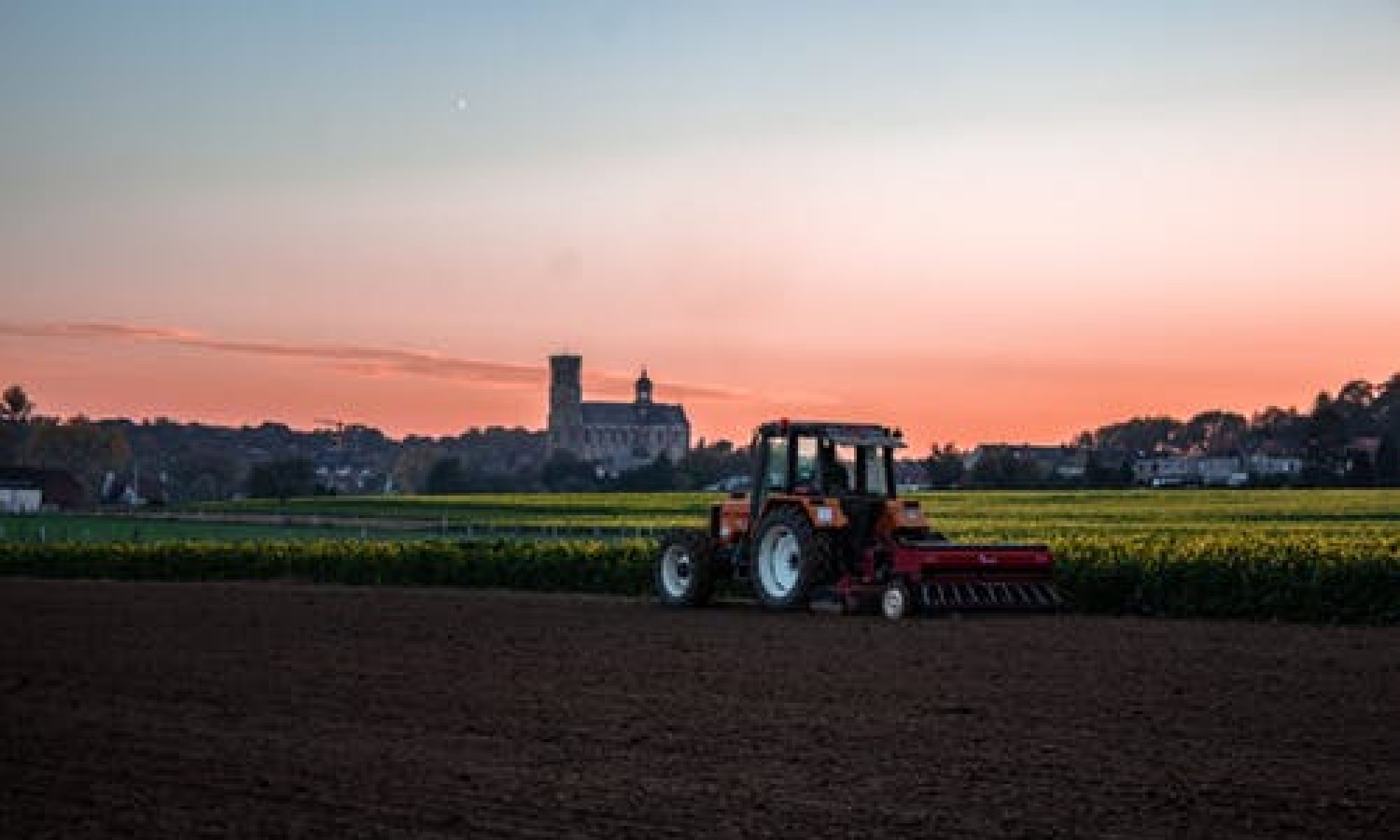
Precision farming is a game-changer for modern agriculture. This technology leverages a combination of sensors, GPS, and data analytics to enable farmers to optimize their farming practices. Soil sensors monitor moisture, nutrient levels, and temperature, providing valuable insights that allow farmers to apply the right amount of water and fertilizers precisely where and when they are needed. GPS-guided machinery ensures precise planting and harvesting, reducing overlaps and wastage.
Vertical Farming: A New Dimension to Agriculture
Vertical farming has emerged as a revolutionary solution for urban areas and regions with limited arable land. In this system, crops are grown in stacked layers, utilizing space more efficiently and reducing the need for expansive farmland. Controlled environment agriculture allows for year-round cultivation, independent of weather conditions, while LED lighting and hydroponics optimize resource use. Vertical farms have the potential to significantly cut transportation distances, leading to fresher produce and lower carbon emissions.
Drones and Robotics: Aerial Insights and Automated Farming
Drones and robotics have found their way into agriculture, transforming the way farmers manage their crops and livestock. Drones equipped with high-resolution cameras can survey large fields in a fraction of the time it would take a human, identifying problem areas and providing real-time data on crop health. Additionally, autonomous robots can perform repetitive tasks such as weeding, harvesting, and even milking, reducing labor costs and freeing up human resources for more complex tasks.
Internet of Things (IoT) in Agriculture: Connectivity and Data-Driven Farming
The Internet of Things (IoT) has extended its reach into agriculture, connecting various devices and sensors to form a smart and interconnected farming ecosystem. IoT-enabled systems such as IA-3133-U2i can monitor and control factors like temperature, humidity, and pest activity in greenhouses, ensuring optimal conditions for plant growth. Livestock monitoring systems equipped with IoT sensors help track the health and behavior of animals, enabling early detection of diseases and improving overall animal welfare. The vast amount of data collected through these devices provides invaluable insights that empower farmers to make data-driven decisions.
Artificial Intelligence (AI) for Crop Management
AI is revolutionizing crop management by predicting outcomes and optimizing decisions. Machine learning algorithms analyze vast amounts of data, including historical weather patterns, soil health, and crop performance, to predict the best planting times, crop rotations, and ideal cultivation practices. This not only maximizes yields but also minimizes the use of resources like water and fertilizers, making farming more sustainable in the long run.
Renewable Energy Integration
Renewable energy sources are playing a pivotal role in creating sustainable farming practices. Solar panels can power farms and greenhouses, reducing reliance on non-renewable energy sources and lowering the overall carbon footprint of agriculture. Additionally, wind turbines can be installed on large farms to generate electricity for on-site use or feed excess energy back into the grid.
Biotechnology Advancements: CRISPR and Beyond
Biotechnology has enabled genetic modifications that enhance crop resistance, improve nutritional content, and increase yields. The CRISPR-Cas9 gene-editing tool has shown great promise in developing crops that can withstand harsh environmental conditions and resist pests naturally. This advancement reduces the reliance on chemical pesticides and promotes eco-friendly farming practices.
Aquaponics: A Synergistic Approach to Farming
Aquaponics is an innovative farming technique that combines aquaculture (fish farming) and hydroponics (growing plants in water). Fish waste provides nutrients for the plants, while the plants filter and purify the water for the fish. This symbiotic relationship creates a closed-loop system, minimizing waste and water usage while yielding both fish and vegetables.
Conclusion
The best new technologies for farms represent a glimpse into the future of agriculture, where sustainability, efficiency, and productivity converge. Precision farming, vertical farming, drones, robotics, IoT, AI, renewable energy integration, biotechnology, and aquaponics are revolutionizing the way we produce food, ensuring that we can meet the growing demand while safeguarding the environment for generations to come. By embracing these cutting-edge solutions and investing in innovative approaches, farmers are paving the way for a more sustainable and food-secure future. As we continue to push the boundaries of technological innovation, the agricultural sector will play a central role in feeding the world and safeguarding our planet’s precious resources.