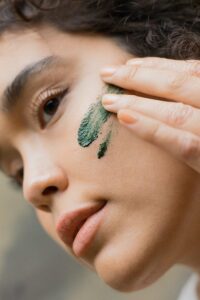
Unlock the Power of Nature: Plants to Grow in a Garden That Can be Used for Skin Treatment

garden plants for skin care


In our modern world, filled with chemical-laden beauty products and artificial treatments, it’s easy to overlook the incredible benefits of nature. However, the healing properties of plants have been revered for centuries, offering a gentle and natural alternative to caring for our skin. By cultivating a garden with specific plants, you can harness the power of these botanical wonders and create your own skincare remedies. In this article, we will explore a diverse range of plants that can be grown in your garden and used for various skin treatments. Get ready to delve into the world of plant-based skincare and unlock nature’s secrets to radiant and healthy skin.

Aloe Vera

One of the most renowned plants for skincare is Aloe vera. Its gel-like substance is a treasure trove of benefits, known for its soothing, moisturizing, and healing properties. Aloe vera can be applied topically to treat sunburns, acne, and dry skin. Growing Aloe vera in your garden ensures a readily available source of this versatile plant, making it an essential addition to your skincare routine.

Calendula

Calendula, also known as pot marigold, is a vibrant and beautiful plant that offers a range of benefits for the skin. Its petals are rich in antioxidants and possess anti-inflammatory properties. Calendula oil or a homemade infusion can be used to soothe and heal various skin conditions, including rashes, eczema, and wounds. By cultivating Calendula in your garden, you’ll have a bountiful supply of this gentle and effective remedy.

Lavender

Lavender is not only cherished for its calming fragrance but also for its numerous skincare benefits. This versatile herb has antiseptic and anti-inflammatory properties, making it ideal for treating acne, insect bites, and minor skin irritations. The essential oil derived from lavender flowers can be used topically or added to homemade skincare products. Cultivating lavender in your garden not only adds beauty and fragrance but also provides a natural remedy for skin issues.

Chamomile

Chamomile, with its delicate white flowers, is widely known for its soothing and calming properties. It has been used for centuries as a natural remedy for various skin ailments, including eczema, dermatitis, and dryness. The anti-inflammatory and anti-itch properties of chamomile make it an excellent ingredient for homemade skin treatments. By growing chamomile in your garden, you can enjoy the benefits of this gentle herb and create your own chamomile-infused skincare products.

Rosemary

Rosemary is a popular culinary herb that also offers remarkable skincare benefits. It has antioxidant properties that help protect the skin from damage caused by free radicals. Rosemary can be infused in oil and used for massages to stimulate blood circulation, promote healthy skin, and alleviate muscle tension. Additionally, rosemary oil can be added to homemade skincare formulations for its rejuvenating and toning effects.

Comfrey

Comfrey, known for its high allantoin content, has been used for centuries to promote healing and tissue regeneration. I was told by a center of skin treatment near me that comfrey can be used topically to soothe burns, bruises, and minor wounds. Comfrey can be grown in the garden and used to create infused oils, salves, or poultices, making it a valuable addition to any natural skincare routine.

Conclusion

In a world filled with artificial skincare products, exploring the bounties of nature can bring a renewed sense of connection to the earth and provide effective skincare solutions. Cultivating a garden with plants that offer skin-healing properties allows you to harness the power of nature and create your own personalized skincare remedies. From the soothing Aloe vera to the calming chamomile, and the regenerative powers of comfrey, nature provides an abundance of options for achieving healthy and radiant skin. Embrace the wonders of botanical skincare and embark on a journey to unlock the secrets of plant-based beauty. Your garden holds the key to a more natural and sustainable approach to skincare, enriching your life and your skin in the process.

Exploring the Lush Flora of Virginia: Ideal Plants for a Bountiful Garden

gardening in Virginia


Virginia, known for its diverse landscapes and favorable climate, offers a haven for gardening enthusiasts and nature lovers alike. With its temperate climate, ample rainfall, and fertile soils, the state provides an ideal environment for a wide range of plants to thrive. Whether you’re a seasoned gardener or just starting out, understanding the types of plants that flourish in Virginia can help you create a vibrant and flourishing garden. In this blog post, we will explore the various plant species that grow best in the beautiful state of Virginia, allowing you to cultivate your own botanical oasis.

Native Plants of Virginia

Mountain Laurel (Kalmia latifolia): This evergreen shrub, with its attractive flowers and glossy leaves, is a native gem in Virginia. It thrives in the acidic soils found in the state’s mountainous regions and adds a touch of elegance to any garden.

Virginia Bluebells (Mertensia virginica): These enchanting spring wildflowers blanket woodlands and gardens with their delicate, blue bell-shaped blooms. They thrive in shady spots and offer a burst of color to the landscape.

Cardinal Flower (Lobelia cardinalis): With its vibrant red flowers and attractive foliage, the cardinal flower is a favorite among hummingbirds and gardeners alike. It thrives in moist soil, making it an excellent choice for water gardens or areas with consistent moisture.

Ornamental Trees

Dogwood Trees (Cornus florida): Known for their elegant white or pink flowers in spring, dogwood trees are a staple in many Virginia gardens. A friend who does fire door inspection course cost told me the Dogwood burns very fast so make sure you have a fire safety plan in effect if you grow dogwood. They prefer partial shade and well-drained soil, adding beauty and charm to the landscape.

Redbud Trees (Cercis canadensis): These small, ornamental trees showcase beautiful pink or purple blooms in early spring. Redbuds are adaptable and can thrive in various soil conditions, making them a versatile choice for Virginia gardens.

Perennial Flowers

Coneflowers (Echinacea spp.): These hardy perennials are renowned for their daisy-like flowers in vibrant colors, including purple, pink, and white. Coneflowers thrive in full sun and well-drained soil, attracting butterflies and pollinators to your garden.

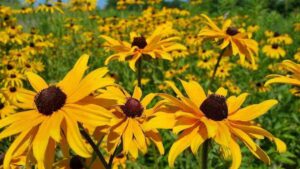
Black-eyed Susans (Rudbeckia hirta): As one of Virginia’s most beloved wildflowers, black-eyed Susans brighten up meadows and gardens with their sunny yellow petals and dark centers. These drought-tolerant plants are perfect for sunny locations and provide long-lasting blooms throughout the summer.

Fruits and Vegetables

Tomatoes (Solanum lycopersicum): Virginia’s warm and humid climate is conducive to growing a wide variety of tomato cultivars. From beefsteak to cherry tomatoes, these sun-loving fruits thrive in fertile, well-drained soil and require regular watering.

Peaches (Prunus persica): Known as the “Peach State,” Virginia offers the ideal conditions for growing these luscious fruits. Peaches prefer well-drained soil and require regular pruning to maintain their shape and maximize fruit production.

Herbs

Basil (Ocimum basilicum): With its fragrant leaves and culinary versatility, basil is a must-have herb in any Virginia garden. It thrives in full sun and well-drained soil, providing a continuous harvest throughout the summer.

Rosemary (Rosmarinus officinalis): This aromatic herb is known for its woody stems and needle-like leaves. Rosemary thrives in well-drained soil and prefers a sunny location, making it an excellent addition to Virginia gardens.

Conclusion

Virginia’s diverse climate and fertile soils provide an excellent environment for a wide range of plants to flourish. From native species that add a touch of natural beauty to ornamental trees that enhance the landscape, the options are abundant. Whether you’re interested in perennial flowers, fruits, vegetables, or herbs, there is a plant that will thrive in your Virginia garden. By selecting plants that are well-suited to the region’s climate and soil conditions, you can create a vibrant and sustainable garden that will bring joy and beauty for years to come. Happy gardening!

The Best Types of Plants to Grow in Houston

plants to grow in Houston


Houston, known for its warm climate and ample sunshine, provides an excellent environment for gardening enthusiasts. The city’s subtropical climate, characterized by hot summers and mild winters, offers an ideal setting for a wide range of plant species to thrive. Whether you have a large backyard or a small balcony garden, Houston offers endless possibilities for growing beautiful and vibrant plants. In this article, we will explore the best types of plants to grow in Houston, considering factors such as heat tolerance, water requirements, and overall adaptability to the region’s unique climate.

Native and Adaptive Plants

One of the keys to successful gardening in Houston is to choose plants that are native to the area or are well adapted to the region’s climate. Native plants have evolved to withstand the local conditions and are generally more resilient and less demanding in terms of maintenance. Some popular native and adaptive plants for Houston include:

  • Gulf Coast muhly grass (Muhlenbergia capillaris)
  • Eastern purple coneflower (Echinacea purpurea)
  • Gulf Coast penstemon (Penstemon tenuis)
  • Mexican bush sage (Salvia leucantha)
  • Texas lantana (Lantana urticoides)

Tropical and Subtropical Foliage Plants

Given Houston’s subtropical climate, tropical and subtropical foliage plants can bring a lush and exotic feel to your garden. These plants feature vibrant leaves in various shapes, sizes, and colors, adding texture and visual interest. Some recommended options include:

  • Elephant ear (Colocasia spp.)
  • Bird of paradise (Strelitzia reginae)
  • Philodendron (Philodendron spp.)
  • Croton (Codiaeum variegatum)
  • Caladium (Caladium spp.)

Flowering Plants

Adding flowering plants to your garden can infuse it with bursts of color and fragrance. Houston’s warm climate allows for an extensive selection of flowering plants that thrive in the region. Some popular choices include:

  • Hibiscus (Hibiscus spp.)
  • Plumeria (Plumeria spp.)
  • Bougainvillea (Bougainvillea spp.)
  • Mexican petunia (Ruellia brittoniana)
  • Firebush (Hamelia patens)

Edible Plants

If you have a passion for homegrown produce, Houston’s climate is favorable for growing a variety of edible plants. A Houston contemporary kitchen cabinets maker who is an avid gardener told me from herbs to fruits and vegetables, you can create your own sustainable food garden. Consider the following options:

  • Basil (Ocimum basilicum)
  • Tomatoes (Solanum lycopersicum)
  • Peppers (Capsicum spp.)
  • Citrus trees (Citrus spp.)
  • Okra (Abelmoschus esculentus)

Succulents and Cacti

For those seeking low-maintenance plants that can withstand Houston’s heat and occasional drought, succulents and cacti are excellent choices. These plants are known for their water storage capabilities and require minimal watering. Some popular succulents and cacti for Houston gardens include:

  • Aloe vera (Aloe vera)
  • Agave (Agave spp.)
  • Prickly pear cactus (Opuntia spp.)
  • Desert rose (Adenium obesum)
  • Echeveria (Echeveria spp.)

Conclusion

Houston’s warm and sunny climate offers a wide range of plant options for gardening enthusiasts. From native and adaptive plants that thrive in the local environment to tropical foliage plants that bring an exotic touch, the possibilities are endless. Consider adding vibrant flowering plants to create a visually stunning garden or grow edible plants to enjoy fresh produce.

Boosting Sales Performance for Farmers: Strategies for Success

marketing for farmers


In today’s competitive agricultural landscape, farmers face numerous challenges when it comes to maximizing sales and achieving sustainable profitability. While producing high-quality crops is essential, effective sales strategies play a pivotal role in ensuring a farmer’s success. This article aims to provide actionable insights and practical tips to improve sales performance for farmers. By implementing the strategies outlined below, farmers can enhance their marketing efforts, forge stronger customer relationships, and drive revenue growth.

Understand Your Target Market

Market Research: Conduct thorough market research to identify the demand for specific crops, consumer preferences, and emerging trends. This will enable farmers to align their production with market demand and make informed decisions.

Customer Segmentation: Divide the target market into distinct segments based on factors such as demographics, buying behavior, and preferences. Tailor marketing messages and offerings to suit each segment’s unique needs, thus maximizing sales potential.

Build a Strong Brand

Unique Selling Proposition (USP): Identify and communicate your farm’s unique qualities, such as sustainable practices, organic certification, or superior product quality. A strong USP sets you apart from competitors and helps attract loyal customers.

Branding and Packaging: Develop a consistent and visually appealing brand identity that reflects your farm’s values and resonates with consumers. Invest in attractive packaging that enhances product presentation and differentiates your offerings in the market.

Expand Distribution Channels

Direct-to-Consumer (DTC) Sales: Establish a direct connection with customers through farm stands, farmers markets, or online platforms. DTC sales enable farmers to capture higher profit margins, build personal relationships with customers, and receive valuable feedback.

Partnerships: Collaborate with local retailers, restaurants, or food cooperatives to expand your reach. These partnerships can provide access to a wider customer base and increase brand visibility in the community.

Enhance Marketing Efforts

Digital Presence: If you want to know how to improve sales performance for your farm you need to develop a professional website that showcases your farm, products, and contact information. Leverage social media platforms to engage with customers, share updates, and promote special offers or events.

Content Marketing: Share valuable and informative content through blog posts, videos, or newsletters. Establish yourself as a thought leader in your niche, providing useful tips, recipes, or insights related to farming and the agricultural industry.

Cultivate Customer Relationships

Customer Service Excellence: Prioritize exceptional customer service by promptly addressing inquiries, resolving issues, and exceeding expectations. Positive experiences encourage repeat purchases and foster customer loyalty.

Loyalty Programs: Implement loyalty programs or rewards systems to incentivize repeat purchases and create a sense of appreciation among customers. Offer exclusive discounts, early access to new products, or personalized offers to reward loyalty.

Monitor and Adapt

Data Analysis: Utilize tools and software to track sales data, customer behavior, and market trends. Analyzing this information allows farmers to make data-driven decisions, identify areas for improvement, and optimize sales strategies.

Continuous Learning: Stay updated with industry trends, attend conferences or workshops, and network with fellow farmers. Learning from others’ experiences and adopting innovative approaches can provide valuable insights and inspire new ideas.

Conclusion

While farming is primarily focused on production, neglecting sales strategies can limit a farmer’s profitability and growth potential. By implementing the strategies outlined in this article – understanding the target market, building a strong brand, expanding distribution channels, enhancing marketing efforts, cultivating customer relationships, and monitoring and adapting – farmers can improve their sales performance and increase their revenue. Remember, effective sales practices are not just about selling products; they are about building lasting connections with customers and creating a sustainable business model in a competitive marketplace.

The Best Types of Plants to Grow in Sarasota, FL

Sarasota Gardening


Sarasota, Florida, with its warm climate and abundant sunshine, offers the perfect environment for growing a diverse array of plants. Whether you have a sprawling garden or a small balcony, embracing the natural beauty of this region is a delight for any green thumb. In this comprehensive guide, we will explore the best types of plants to grow in Sarasota, taking into consideration the region’s climate, soil conditions, and aesthetic appeal. So, get your gardening gloves ready as we embark on a botanical journey through the best plants for Sarasota!

Tropical Delights

Hibiscus: Known for its vibrant and showy flowers, the hibiscus is a popular choice among Sarasota gardeners. Its ability to withstand the heat and humidity of the region makes it a reliable addition to any garden.

Bougainvillea: With its stunning bracts in shades of pink, purple, and red, bougainvillea adds a touch of tropical elegance to Sarasota landscapes. This resilient plant thrives in full sun and requires minimal maintenance once established.

Plumeria: Renowned for its intoxicating fragrance, plumeria is a must-have for any Sarasota garden. Its lush foliage and beautiful blooms in shades of white, pink, and yellow make it a striking addition to both outdoor and indoor spaces.

Versatile Ornamentals

Adonidia Palm: This compact palm tree, also known as the Christmas palm, is a popular choice for Sarasota gardens. Its slender trunk and feathery, arching fronds provide a touch of the tropics to any landscape.

Lantana: A low-maintenance favorite, lantana offers a profusion of vibrant flowers in shades of yellow, orange, pink, and purple. This versatile plant is drought-tolerant and attracts pollinators, making it an excellent choice for butterfly gardens.

Bird of Paradise: With its unique and striking flowers resembling a bird in flight, the bird of paradise plant adds drama and flair to Sarasota gardens. It thrives in full sun and well-drained soil, making it an ideal choice for coastal landscapes.

Bountiful Edibles

Citrus Trees: Sarasota’s climate is well-suited for growing citrus trees, including oranges, lemons, limes, and grapefruits. The fragrant blossoms and juicy fruits make these trees a popular choice for both ornamental and edible gardens.

Herbs: A Sarasota Senior Fitness expert told me basil, rosemary, thyme, and oregano are just a few of the herbs that flourish in Sarasota’s sunny and warm climate. Their aromatic foliage adds flavor to culinary delights while also providing an attractive element to your garden.

Tropical Fruits: Embrace the exotic flavors of Sarasota by growing tropical fruits like mangoes, papayas, and bananas. These fruit trees not only add a lush and tropical ambiance to your garden but also provide delicious, homegrown treats.

Native Plants

Sea Grape: A coastal native, the sea grape is well-adapted to the sandy soils and salt spray of Sarasota’s beachfront areas. Its large, round leaves and clusters of purple fruits add texture and interest to any garden.

Coontie: As a native cycad, the coontie is well-suited for Sarasota’s unique ecosystem. This evergreen plant is low-maintenance, drought-tolerant, and provides habitat for various wildlife species.

Firebush: Known for its vibrant red-orange tubular flowers, the firebush attracts hummingbirds and butterflies.

The Best Types of Plants to Have in Seattle

plants in Seattle


Seattle is known for its abundant natural beauty, lush greenery, and rainy climate. With a variety of microclimates and unique soil conditions, it can be challenging to determine the best plants to grow in the region. In this article, we’ll explore the best types of plants to have in Seattle, from native species to exotic varieties that thrive in the Pacific Northwest.

Rhododendrons

Rhododendrons are one of the most popular and beloved plants in Seattle. These flowering shrubs come in a variety of colors and can bloom for weeks in the spring. They are easy to care for and can be grown in a variety of locations, including full sun or partial shade. Rhododendrons are native to the Pacific Northwest, making them a natural choice for Seattle gardens.

Ferns

Ferns are another favorite plant in Seattle due to their love of moist environments. They can thrive in shady areas, making them perfect for gardens with tall trees. Ferns come in many varieties, including sword ferns, maidenhair ferns, and holly ferns, to name a few. These plants are relatively low maintenance and can add a touch of elegance to any garden.

Hydrangeas

Hydrangeas are a classic garden staple that thrives in Seattle’s temperate climate. These shrubs produce large, showy flowers that come in a variety of colors, including pink, blue, and white. Hydrangeas love moist soil, making them a perfect fit for the rainy Seattle weather. These plants can also tolerate some shade, making them a great choice for gardens with trees or overhangs.

Hellebores

Hellebores are a beautiful and hardy plant that blooms in late winter or early spring. They produce elegant, bell-shaped flowers that come in a variety of colors, including purple, pink, and white. Hellebores are relatively low maintenance and can thrive in both sun and shade, making them a versatile choice for Seattle gardens.

Japanese Maples

Japanese maples are a stunning addition to any garden in Seattle. These trees produce beautiful foliage that can range from bright green to deep red, depending on the variety. A Seattle sump pump installation business owner told me they can grow in both sun and shade, making them perfect for gardens with varying levels of light. Japanese maples are also relatively easy to care for, making them a great choice for novice gardeners.

Blueberries

Blueberries are a popular fruit to grow in Seattle, thanks to the region’s acidic soil and mild climate. These plants produce delicious, juicy berries that can be enjoyed fresh or used in baking. Blueberries are relatively easy to care for and can be grown in a variety of locations, from gardens to patios. They also produce beautiful foliage that turns bright red in the fall, making them a great choice for fall gardens.

Hostas

Hostas are a classic plant that can add texture and interest to any garden in Seattle. These plants produce large, lush foliage that comes in a variety of colors, from bright green to deep blue. Hostas can thrive in both sun and shade, making them a versatile choice for gardens with varying levels of light. They are also relatively low maintenance and can grow in a variety of soil types.

Crocosmia

Crocosmia is a beautiful plant that produces vibrant, trumpet-shaped flowers in shades of red, orange, and yellow. These plants love full sun and can be grown in a variety of soil types. Crocosmia is relatively easy to care for and can add a touch of drama and color to any garden in Seattle.

Conclusion

Seattle is a beautiful and unique region with a climate that can support a wide variety of plants

The Best Types of Plants for Fort Worth, TX

plants for Fort Worth


Fort Worth, TX, has a humid subtropical climate, characterized by hot summers and mild winters. The city also experiences occasional droughts, making it important to choose plants that can tolerate both heat and dry conditions. Here are some of the best types of plants for Fort Worth, TX:

Texas Sage (Leucophyllum frutescens) – A drought-tolerant evergreen shrub that produces beautiful purple or pink flowers in the summer.

Lantana (Lantana camara) – A heat-tolerant perennial plant that comes in a variety of colors and produces small clusters of flowers throughout the summer and fall.

Blackfoot Daisy (Melampodium leucanthum) – A low-growing perennial plant that produces white, daisy-like flowers throughout the year.

Mexican Feathergrass (Nassella tenuissima) – A graceful ornamental grass that is drought-tolerant and adds texture to landscapes.

Yucca (Yucca spp.) – A drought-tolerant plant with a unique, architectural form and tall spikes of white flowers.

Red Yucca (Hesperaloe parviflora) – An auction Fort Worth company told me this is a drought-tolerant plant with tall spikes of red or pink flowers that attract hummingbirds.

Purple Coneflower (Echinacea purpurea) – A hardy perennial plant with showy purple flowers that blooms from early summer to early fall.

Russian Sage (Perovskia atriplicifolia) – A drought-tolerant perennial plant with silvery-gray foliage and lavender-blue flowers.

Butterfly Weed (Asclepias tuberosa) – A drought-tolerant perennial plant with bright orange flowers that attract butterflies.

Knockout Roses (Rosa ‘Knockout’) – A low-maintenance and disease-resistant variety of rose that blooms in a variety of colors and can tolerate heat and drought.

These plants are all well-suited for the climate and conditions in Fort Worth, TX, and can add beauty and color to your landscape while requiring minimal maintenance.

Best Kind of Plants to Have in An Atlanta Garden

Atlanta garden plants

Atlanta has a humid subtropical climate, which means hot and humid summers and mild winters. Here are some plants that do well in Atlanta’s climate and can make for beautiful additions to your garden:

Azaleas: These are a staple in Atlanta gardens, as they thrive in the acidic soil found in the region. They bloom in the spring and come in a variety of colors, from white to pink to purple.

Hydrangeas: These are another popular choice for Atlanta gardens. They also prefer acidic soil and bloom in the summer, producing large clusters of flowers in shades of blue, pink, and white.

Hostas: A friend who does Atlanta Water Damage told me these plants are great for shaded areas and produce lush foliage in a range of colors, from deep greens to variegated whites and greens.

Daylilies: These are hardy plants that produce bright blooms in shades of yellow, orange, and red. They prefer full sun but can also tolerate some shade.

Crepe Myrtles: These trees are well-suited to Atlanta’s climate and produce beautiful clusters of flowers in the summer. They come in a range of colors, from pink to purple to white.

Black-eyed Susans: These bright and cheerful flowers thrive in full sun and produce yellow blooms with dark centers. They are easy to care for and attract butterflies and bees.

Lantana: This plant produces clusters of small flowers in shades of red, orange, yellow, and pink. It’s a great choice for hot and dry areas and attracts butterflies and hummingbirds.

Coneflowers: These tough and drought-resistant plants produce striking pink or purple blooms with cone-shaped centers. They are easy to care for and attract bees and butterflies.

Overall, when choosing plants for your Atlanta garden, look for species that can tolerate heat and humidity, as well as the occasional cold snap in the winter. It’s also a good idea to select plants that are native to the southeastern United States, as they are often better adapted to the local climate and soil conditions.


Best Types of Plants to Have in a Jacksonville Garden


Jacksonville Plants

Jacksonville, Florida has a warm, humid climate and sandy soil, which can make gardening a challenge. However, there are several types of plants that thrive in these conditions and would make great additions to a Jacksonville garden. Here are some of the best types of plants to have in a Jacksonville garden:

Native Plants

Native plants are a great option for a Jacksonville garden because they are adapted to the local climate and soil conditions. Some popular native plants include Southern magnolia, wax myrtle, live oak, and saw palmetto.

Examples of native plants that are found in Jacksonville, Florida:

Southern magnolia (Magnolia grandiflora)

Yaupon holly (Ilex vomitoria)

Sabal palm (Sabal palmetto)

Red maple (Acer rubrum)

Live oak (Quercus virginiana)

Cabbage palm (Sabal palmetto)

Wax myrtle (Myrica cerifera)

American beautyberry (Callicarpa americana)

Sweetgum (Liquidambar styraciflua)

Firebush (Hamelia patens)

These are just a few examples of the many native plants that can be found in Jacksonville, Florida. Native plants are important for maintaining local ecosystems and providing habitat for wildlife. They are also often well adapted to local environmental conditions and require less maintenance than non-native plants.

Tropical Plants

Jacksonville’s warm and humid climate also makes it an ideal location for tropical plants, such as hibiscus, bougainvillea, plumeria, and banana trees.

Here are some tropical plants that can thrive in Jacksonville:

Bird of Paradise (Strelitzia reginae) – With its striking orange and blue flowers, the Bird of Paradise is a popular tropical plant that can grow up to 6 feet tall.

Plumeria (Plumeria spp.) – Known for their fragrant and colorful flowers, Plumerias are a favorite among gardeners. They can grow up to 30 feet tall and are perfect for adding a tropical touch to your garden.

Hibiscus (Hibiscus spp.) – Hibiscus plants produce large, showy flowers in a variety of colors, including red, pink, yellow, and orange. They are easy to grow and can be trained to grow as a shrub or a small tree.

Banana (Musa spp.) – Bananas are easy to grow in Jacksonville’s warm and humid climate. They can grow up to 20 feet tall and produce sweet, delicious fruit.

Palm Trees (Arecaceae family) – There are many different types of palm trees that can thrive in Jacksonville, including the Canary Island Date Palm, the Washingtonia Palm, and the Queen Palm. They are great for adding a tropical touch to your landscape.

Bromeliads (Bromeliaceae family) – These plants are known for their vibrant colors and unique foliage. They are easy to grow and can be grown in pots or planted in the ground.

Crotons (Codiaeum variegatum) – Crotons are known for their colorful foliage and can add a vibrant touch to your garden. They are easy to grow and can be trained to grow as a shrub or small tree.

Bougainvillea (Bougainvillea spp.) – Bougainvillea plants are known for their colorful and showy flowers. They can be grown as a climbing vine or trained to grow as a shrub or small tree.

These are just a few of the many tropical plants that can thrive in Jacksonville’s climate. Be sure to do some research and choose plants that are well-suited to your specific growing conditions.

Succulents

Succulents are a great choice for a Jacksonville garden because they are drought-tolerant and can thrive in sandy soil. Some popular succulents for Jacksonville include agave, aloe vera, and snake plant.

Here are some succulent varieties that should do well in Jacksonville:

Aloe Vera: Aloe vera is a popular succulent that is well suited to growing in Jacksonville’s warm climate. It prefers bright, indirect light and well-draining soil.

Agave: Agave is another succulent that is well-suited to growing in Jacksonville. It’s a hardy plant that can withstand the heat and humidity, and it prefers well-draining soil.

Echeveria: Echeveria is a beautiful and low-maintenance succulent that comes in a variety of colors and shapes. It prefers bright, indirect light and well-draining soil.

Crassula: Crassula is a succulent that is well-suited to growing in Jacksonville’s humid climate. It prefers bright, indirect light and well-draining soil.

Sedum: Sedum is a hardy succulent that can tolerate a wide range of temperatures and growing conditions. It prefers well-draining soil and moderate sunlight.

Portulacaria afra: Portulacaria afra, also known as elephant bush, is a popular succulent that can grow into a small tree. It prefers bright, indirect light and well-draining soil. My neighbor who is a Jacksonville Litigation Attorney is an expert at growing Portulacaria afra.

Remember to make sure your succulent’s pot has drainage holes, and that you water it only when the soil is dry. Overwatering is a common mistake that can lead to root rot and other problems.

Herbs

Herbs are a great addition to any garden and can be grown in containers or in the ground. Some popular herbs for Jacksonville include basil, mint, rosemary, and thyme.

Here are some types of herbs that you can consider growing in Jacksonville:

Basil – This herb loves warm weather and grows well in Jacksonville. It can be grown in pots or in the ground and is a great addition to salads, pesto, and pasta dishes.

Mint – Mint is a fast-growing herb that thrives in humid conditions. It is great for adding flavor to drinks, desserts, and savory dishes.

Rosemary – Rosemary is a hardy herb that can be grown in pots or in the ground. It is an excellent herb for roasting meats and vegetables.

Thyme – Thyme is a small, hardy herb that loves sunny, well-drained soil. It is an excellent herb for seasoning meats, soups, and stews.

Sage – Sage is a versatile herb that can be grown in pots or in the ground. It is great for flavoring meats, stuffing, and sauces.

Chives – Chives are a mild-tasting herb that are easy to grow in pots or in the ground. They are great for adding to salads, soups, and dips.

Oregano – Oregano is a hardy herb that loves hot, dry weather. It is great for adding flavor to pizzas, pasta dishes, and sauces.

Parsley – Parsley is an easy-to-grow herb that can be used in a variety of dishes. It is great for adding flavor to soups, stews, and salads.

Cilantro – Cilantro is a fast-growing herb that loves warm weather. It is great for adding flavor to Mexican and Asian dishes.

Remember to choose herbs that are suitable for your gardening experience and space, and ensure to provide them with the appropriate amount of sunlight, water, and care they need to thrive.

Citrus Trees

Citrus trees, such as oranges, lemons, and limes, can thrive in Jacksonville’s warm climate and sandy soil. They also add a beautiful fragrance to the garden.

Some of the most popular citrus trees that are suitable for this region include:

Satsuma Mandarin: This is a small, seedless and easy-to-peel citrus fruit that is very popular in Florida. The tree is cold-hardy and can withstand temperatures as low as 15 degrees Fahrenheit.

Valencia Orange: Valencia oranges are sweet and juicy and are great for juicing. The tree is a prolific producer and can produce fruit year-round.

Meyer Lemon: Meyer lemons are a cross between a lemon and a mandarin orange, and are sweeter and less acidic than regular lemons. The tree is relatively small and can be grown in a container.

Grapefruit: Ruby Red grapefruit is a popular variety that is grown in Florida. It is sweet, juicy and tart. The tree is a prolific producer and can produce fruit year-round.

Lime: Key lime is a small, yellow-green citrus fruit that is used in many recipes, including Key lime pie. The tree is small and can be grown in a container.

When selecting citrus trees to grow in Jacksonville, it’s important to choose varieties that are adapted to the local climate and soil conditions. You may want to consult with a local nursery or agricultural extension service for advice on selecting and caring for citrus trees in your area.

Overall, there are many different types of plants that can thrive in a Jacksonville garden, and it’s important to choose plants that are well-suited to the local climate and soil conditions. By selecting the right plants, you can create a beautiful and thriving garden that you can enjoy year-round.

Why the Elderly Should Garden

gardening for the elderly


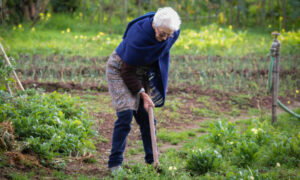
Gardening can be a beneficial and enjoyable activity for people of all ages, but it can be particularly beneficial for the elderly. Here are some reasons why:

Physical activity: Gardening requires physical activity such as digging, planting, weeding, and watering. These activities can provide a low-impact form of exercise that can help maintain physical fitness, flexibility, and strength, which is especially important for the elderly.

Mental stimulation: A health home care provider told me gardening can also provide mental stimulation and a sense of accomplishment. Elderly people who garden often experience increased feelings of self-worth and accomplishment as they watch their plants grow and thrive.

Social interaction: Gardening can also provide opportunities for social interaction. Elderly people who garden may be able to connect with other gardeners in their community and share tips, stories, and experiences. This social interaction can be especially important for seniors who may be isolated or lonely.

Exposure to sunlight: Gardening can also provide exposure to sunlight, which can help boost vitamin D levels. Vitamin D is important for bone health and has been linked to a reduced risk of certain diseases.

Fresh produce: Gardening can also provide access to fresh produce, which is important for maintaining a healthy diet. Elderly people who garden may be able to grow their own fruits and vegetables, which can be more affordable and convenient than purchasing them from a grocery store.

Overall, gardening can be a wonderful activity for the elderly, providing physical and mental benefits, social interaction, exposure to sunlight, and access to fresh produce.