
The Essential Role of an Employment Lawyer in Richmond, VA Farms

employment lawyers Richmond VA


Richmond, Virginia, with its rich agricultural history and vibrant farming community, is home to numerous farms that contribute to the state’s agricultural industry. These farms are not just places of production but also vital hubs of employment, providing jobs to numerous individuals who are essential for keeping these farms running smoothly. However, like any other business, farms can also face employment-related issues that may necessitate the expertise of an employment lawyer in Richmond, VA. In this comprehensive guide, we will explore when and why a Richmond, VA farm might need an employment lawyer, and the critical role these legal professionals play in safeguarding the rights and interests of both employers and employees.

Labor Laws in Richmond, VA

To understand the importance of employment lawyers for Richmond farms, it is crucial to first delve into the labor laws that govern the state. Virginia, like many states, has specific labor regulations in place, covering aspects such as wage and hour laws, workplace safety, discrimination, and more. Farms, as employers, must comply with these laws to ensure a fair and safe working environment for their employees.

Hiring and Recruitment

Discrimination Claims

  • Farms in Richmond, VA, may encounter discrimination claims during the hiring process. Employment lawyers can help farms navigate these claims, ensuring that their hiring practices are in compliance with anti-discrimination laws.

Immigration Compliance

Farms that employ foreign workers, including seasonal laborers, must ensure they are in compliance with immigration laws. Employment lawyers can provide guidance on the proper procedures for hiring and employing non-U.S. citizens.

Employment Contracts

Drafting Employment Contracts

  • Whether for full-time or seasonal employees, employment contracts are essential for clarifying expectations and responsibilities. Employment lawyers can help farms draft legally sound employment contracts to protect their interests.

Contract Disputes

  • In cases where disputes arise between farms and employees regarding contract terms or obligations, employment lawyers can mediate or represent their clients in legal proceedings.

Wage and Hour Issues

Overtime and Minimum Wage

  • Farms must ensure they are complying with wage and hour laws, including overtime pay and minimum wage requirements. Employment lawyers can help farms understand and follow these regulations.

Unpaid Wages

  • Disputes over unpaid wages can arise, and employment lawyers can assist farms in addressing and resolving such issues.

Workplace Safety and Health

Occupational Safety and Health Administration (OSHA) Compliance

  • Farms are subject to OSHA regulations to maintain a safe work environment. Employment lawyers can help farms understand and comply with these regulations to avoid legal complications.

Workers’ Compensation

  • In the unfortunate event of workplace injuries, employment lawyers can assist farms and employees in navigating the workers’ compensation process.

Termination and Employee Rights

Wrongful Termination

  • When employees feel they have been wrongfully terminated, they may take legal action. Employment lawyers can help farms defend their termination decisions or reach fair settlements.

Employee Rights

  • Employees have rights, and farms must respect them. Employment lawyers can advise farms on how to handle employee rights issues, such as privacy concerns, whistleblowing, and more.

Harassment and Discrimination Claims

Harassment and Hostile Work Environment

  • Claims of harassment or a hostile work environment can be damaging to a farm’s reputation and finances. Employment lawyers can help farms address these claims promptly and effectively.

Discrimination Claims

  • Discrimination claims can lead to costly legal battles. Employment lawyers can assist farms in defending against such claims and implementing measures to prevent discrimination in the workplace.

Labor Union Relations

Labor Negotiations

  • Farms that have unionized workers may require legal representation during labor negotiations and disputes with labor unions.

Union Avoidance

  • Employment lawyers can also advise farms on strategies to maintain union-free workplaces if they so choose.

Conclusion

Farming is a cornerstone of Richmond, VA’s economy, and the people who work in this industry are essential for its success. To ensure a harmonious and legally compliant work environment, farms in Richmond, VA must be aware of and adhere to labor laws and employment regulations. An employment lawyer Richmond VA can play a pivotal role in guiding farms through the complexities of employment-related issues, including recruitment, contract management, wage disputes, workplace safety, termination, and legal challenges. By proactively seeking the counsel of an employment lawyer, farms can protect both their interests and the rights of their employees, fostering a fair and productive working environment in Richmond’s agricultural sector.

Signs an Atlanta Farmhouse Needs a New Roof

roofing supply store near me


Atlanta, Georgia, is known for its charming farmhouses, each telling a story of its own. These historic homes often exude timeless beauty, but they also come with a unique set of challenges, particularly when it comes to roof maintenance. A sturdy roof is vital for protecting your farmhouse from the ever-changing Atlanta weather, including scorching summers, heavy rains, and the occasional winter storm.

In this comprehensive guide, we’ll explore the signs that indicate your Atlanta farmhouse might need a new roof. Whether you’re a homeowner with a farmhouse full of history or you’re considering purchasing one, understanding these signs is crucial for preserving your investment and ensuring your home remains a safe and comfortable haven for years to come.

Sagging or Uneven Roof

One of the most obvious signs that your Atlanta farmhouse might need a new roof is the appearance of sagging or uneven sections. Over time, the weight of multiple roofing layers, moisture absorption, and structural issues can cause the roof to lose its integrity. If you notice a dip or a curve in your roofline, it’s a clear indication that the underlying structure is compromised, and a new roof might be necessary.

Leaks and Water Stains

Water is the enemy of any roof. In Atlanta, where heavy rains are common, a leaking roof can quickly become a nightmare. If you see water stains on your ceilings or walls, it’s essential to address the issue promptly. Leaks can lead to not only costly interior damage but also mold growth, which can be harmful to your health.

Damaged or Missing Shingles

Shingles serve as your farmhouse’s first line of defense against the elements. Damage to these protective layers can leave your home vulnerable to leaks and other problems. Look for signs of cracked, curling, or missing shingles, especially after a severe storm. Replacing individual shingles can help in the short term, but if the damage is widespread, a new roof may be necessary.

Granule Loss

Asphalt shingles are commonly used on Atlanta farmhouses due to their affordability and durability. Over time, the granules that provide protection from UV rays and add texture to the shingles can wear off. You might notice granules accumulating in your gutters or downspouts. If your shingles become bald and smooth, it’s time to consider a roof replacement.

Excessive Moss and Algae Growth

The humid climate in Atlanta creates a perfect environment for moss and algae growth on your roof. While a small amount might not be cause for concern, excessive growth can compromise the integrity of your shingles and promote moisture retention. Regular roof cleaning can help, but if the growth persists, it may be a sign that your roof needs replacement.

Rot and Decay

Wooden farmhouse roofs, often made of cedar or cypress, are particularly vulnerable to rot and decay. Inspect your roof for any signs of wood rot, especially in the valleys and around the chimney or vents. Rot can weaken the roof’s structure and make it more susceptible to leaks and other issues.

Daylight Through the Roof Boards

A telltale sign that your roof needs is roofing supply of Atlanta when you can see daylight coming through the roof boards from inside your attic. This indicates that the roof decking is compromised and no longer provides a solid barrier against the elements. If you can see light, water can also penetrate, causing significant damage.

Increased Energy Bills

If you’ve noticed a sudden increase in your energy bills, your roof may be to blame. A deteriorating roof can lead to poor insulation and ventilation, forcing your heating and cooling systems to work harder to maintain a comfortable temperature inside your farmhouse. Replacing your roof with energy-efficient materials can not only save you money but also improve your home’s overall comfort.

Age of the Roof

Like all things, roofs have a limited lifespan. The age of your Atlanta farmhouse’s roof is a crucial factor in determining whether it’s time for a replacement. Asphalt shingle roofs typically last between 20 to 30 years, while metal roofs can last 50 years or more. If your roof is nearing the end of its expected lifespan, it’s wise to start planning for a replacement to avoid unexpected issues.

Conclusion: Invest in Your Atlanta Farmhouse’s Future

Your Atlanta farmhouse is more than just a house; it’s a piece of history and a valuable investment. To ensure its long-term preservation and protect your family from the unpredictable Georgia weather, paying attention to the signs that your roof needs replacement is essential.

Regular roof inspections and maintenance can help identify issues early, potentially extending the lifespan of your roof. However, when the signs are clear, investing in a new roof is a wise decision that will not only enhance your home’s curb appeal but also provide peace of mind knowing that your historic farmhouse is safe, secure, and ready to face whatever Mother Nature throws its way. Don’t wait until it’s too late – act promptly to protect the heart and soul of your Atlanta farmhouse.

Enhancing Agricultural Efficiency: The Importance of Architectural CAD Drafting Services for Farms

design services


In the ever-evolving world of agriculture, the modern farm is no longer just a plot of land with rows of crops and a few barns. Today’s farms are complex operations that require meticulous planning and efficient utilization of resources to thrive. This transformation has led to the growing importance of architectural CAD drafting services in the agricultural sector. In this blog post, we will delve into why a farm would need architectural CAD drafting services and how they can revolutionize farming practices.

Precision Farming

Modern agriculture has embraced precision farming techniques to maximize yields while minimizing resource wastage. Architectural CAD drafting services play a crucial role in designing and planning precision farming systems. CAD software enables farmers to create accurate digital representations of their fields, helping them determine optimal planting patterns, irrigation layouts, and even the positioning of sensors and drones for data collection. This precision can significantly increase crop yields while reducing water and fertilizer usage, ultimately leading to more sustainable and profitable farming operations.

Infrastructure Development

Farms require various structures and facilities to support their operations, including barns, storage buildings, and processing units. Architectural CAD drafting services can assist farmers in the design and planning of these structures. CAD allows for precise measurements, detailed blueprints, and 3D modeling, ensuring that every square foot of space is optimized for functionality and efficiency. This can lead to improved workflow, reduced labor costs, and enhanced safety on the farm.

Environmental Sustainability

With growing concerns about environmental sustainability, farms are under increasing pressure to adopt eco-friendly practices. Architectural CAD drafting services can aid in the development of sustainable farm layouts and designs. CAD software can analyze factors such as sun exposure, wind patterns, and natural drainage, helping farmers make informed decisions about field placement and layout. Additionally, CAD can facilitate the design of eco-friendly buildings with features like energy-efficient insulation, rainwater harvesting systems, and renewable energy integration.

Irrigation and Water Management

Water is a precious resource in agriculture, and efficient irrigation systems are essential for crop health and yield optimization. CAD drafting services can assist in designing irrigation networks that are both water-efficient and cost-effective. By creating detailed schematics of the irrigation system, farmers can identify potential issues and make adjustments before implementation. CAD also aids in the planning of rainwater harvesting systems, which can help farms become less dependent on external water sources.

Livestock Facilities

For farms that involve animal husbandry, the design and layout of livestock facilities are critical. Architectural CAD drafting services can create detailed plans for barns, pens, and feeding areas. This not only ensures the comfort and well-being of the animals but also improves the overall efficiency of livestock operations. Properly designed facilities can lead to healthier animals, increased production, and reduced labor costs.

Regulatory Compliance

Farms are subject to various regulations and zoning requirements that dictate the placement and design of structures on the property. CAD drafting services can help farmers navigate these regulations by producing accurate site plans and blueprints that adhere to local zoning laws. This can prevent costly delays and legal issues down the road, allowing farmers to focus on their core operations without unnecessary bureaucratic hurdles.

Equipment and Machinery Integration

Farms rely heavily on machinery and equipment for planting, harvesting, and maintenance. CAD drafting services can assist in the design and layout of farm equipment sheds, garages, and maintenance facilities. Properly designed spaces not only protect valuable machinery from the elements but also improve workflow and accessibility, ultimately saving time and money.

Expansion and Future Planning

Agricultural businesses often evolve and expand over time. Architectural CAD drafting services provide the flexibility to plan for future growth. Farmers can create master plans that outline potential expansion areas and infrastructure requirements, ensuring that their operations can adapt to changing needs and market demands.

Conclusion

In conclusion, architectural CAD drafting services have become indispensable for modern farms. From precision farming to infrastructure development, environmental sustainability, and regulatory compliance, CAD technology empowers farmers to make informed decisions, optimize their operations, and ensure the long-term success of their businesses. As agriculture continues to evolve, the integration of CAD technology will play a pivotal role in shaping the future of farming, making it more efficient, sustainable, and profitable. By harnessing the power of CAD, farms can grow, thrive, and contribute to the global demand for food in an ever-changing world.

Choosing the Best Trees for Your Farm: A Comprehensive Guide

trees on a farm


Farming is not only about cultivating crops and raising livestock; it’s also about creating a sustainable and harmonious ecosystem. One way to enhance the ecological balance on your farm is by planting trees. Trees not only provide shade, shelter, and aesthetic beauty but also play a crucial role in soil health, water retention, and biodiversity conservation. In this comprehensive guide, we will explore the best types of trees to plant on your farm and the various benefits they bring to your agricultural endeavors.

The Benefits of Trees on a Farm

Before diving into specific tree species, let’s understand why planting trees on your farm is a smart choice:

  1. Soil Health and Nutrient Cycling:
    • Trees help improve soil structure and fertility by increasing microbial activity.
    • Their roots prevent soil erosion and nutrient runoff.
    • Leaf litter acts as a natural mulch, adding organic matter to the soil.
  2. Windbreaks and Microclimates:
    • Trees act as windbreaks, protecting your crops and livestock from strong winds.
    • They create microclimates, which can extend the growing season and increase yields.
  3. Biodiversity and Habitat:
    • Trees provide food and shelter for various wildlife species, promoting biodiversity.
    • They can attract beneficial insects that help control pests.
  4. Water Management:
  5. Aesthetic and Recreational Value:
    • Trees enhance the visual appeal of your farm, making it an inviting place for visitors.
    • They offer recreational opportunities such as hiking, birdwatching, and picnicking.

Selecting the Right Trees for Your Farm

When choosing which trees to plant on your farm, consider the following factors:

  1. Climate and Location:
    • Select trees that are well-suited to your region’s climate, soil type, and altitude.
    • Consult local agricultural extension services for expert advice.
  2. Purpose:
  3. Growth Rate:
    • Depending on your goals, you may prefer fast-growing or slow-growing trees.
    • Fast-growing trees can provide quicker benefits, while slow-growers offer long-term rewards.
  4. Maintenance:
    • Consider your capacity for tree care and maintenance.
    • Some trees require minimal care, while others may need regular pruning and pest control.

Top Tree Species for Farms

Now, let’s explore some of the best tree species for various farm purposes:

Windbreaks and Shade:

    • Eastern Red Cedar (Juniperus virginiana): Some arborist books I read said this evergreen tree is excellent for windbreaks and provides year-round shelter for wildlife. It’s drought-tolerant and can thrive in various soil types.
    • White Pine (Pinus strobus): White pines are fast-growing and offer great wind protection. They are well-suited for northern climates with acidic soils.
    • Black Locust (Robinia pseudoacacia): A nitrogen-fixing tree, black locust is ideal for improving soil fertility while serving as a windbreak.
  1. Timber and Lumber:
    • Black Walnut (Juglans nigra): Known for its valuable hardwood, black walnut can be a profitable long-term investment.
    • Douglas Fir (Pseudotsuga menziesii): This evergreen conifer is a popular choice for timber production, known for its straight, tall trunks.
    • Oak (Quercus spp.): Oaks are versatile hardwood trees used for high-quality lumber and are favored by wildlife.
  2. Wildlife Habitat and Biodiversity:
    • Dogwood (Cornus spp.): Dogwoods provide both food and shelter for birds and small mammals and add a splash of color to your landscape.
    • Wild Cherry (Prunus spp.): Birds and mammals are attracted to wild cherry trees, which produce small fruits and provide nesting sites.
    • Alder (Alnus spp.): Alder trees are excellent for wet areas and create a rich habitat for birds, amphibians, and insects.
  3. Erosion Control and Soil Health:
    • Willow (Salix spp.): Willows thrive in moist areas and help stabilize stream banks, preventing erosion.
    • Poplar (Populus spp.): Poplars are rapid growers that can quickly establish a strong root system to protect against soil erosion.
    • Red Alder (Alnus rubra): Red alder improves soil nitrogen levels and is well-suited for nitrogen-poor soils.
  4. Fruit and Nut Production:
    • Apple (Malus domestica): Apples are a classic choice for orchards, providing delicious fruit and attracting pollinators.
    • Pecan (Carya illinoinensis): Pecan trees produce valuable nuts and can be a lucrative crop.
    • Cherry (Prunus avium): Cherries are prized for their sweet fruit and can be grown in a variety of climates.

Planting and Maintenance Tips

  • Prepare the site by clearing weeds and providing adequate spacing between trees.
  • Water newly planted trees regularly, especially during their first few years.
  • Mulch around the base of trees to retain moisture and suppress weeds.
  • Prune trees as needed to remove dead or diseased branches and promote healthy growth.
  • Monitor for pests and diseases, and take appropriate action to mitigate damage.

Conclusion

Incorporating trees into your farm can offer a multitude of benefits, from improving soil health and water management to providing habitat for wildlife and enhancing the aesthetics of your property. By selecting the right tree species for your specific goals and environment, you can create a more sustainable and productive farm. Remember that trees are long-term investments, so plan carefully, and with time, you’ll reap the rewards of a well-forested farm. Make sure to consult with local experts and agricultural extension services to make informed choices that align with your farm’s unique needs and aspirations. Happy planting!

The Importance of Structural Engineer Foundation Inspections for Farms

structural engineers near me

Farming is the backbone of our society, providing us with food, fiber, and countless other essential resources. Behind every successful farm, there’s a web of infrastructure that supports the daily operations. One critical aspect of this infrastructure is the foundation upon which everything else relies. The structural integrity of a farm’s buildings and structures is crucial for productivity, safety, and longevity. That’s why a structural engineer foundation inspection is a vital component of farm maintenance. In this comprehensive guide, we’ll explore the reasons why a farm would need a structural engineer foundation inspection, its benefits, and how to go about it.

The Role of Foundations in Farming

Before delving into the specifics of foundation inspections, let’s understand the significance of foundations in farming operations. Foundations provide stability and support to various structures on a farm, including barns, silos, equipment sheds, and even residential buildings. These structures house valuable assets, such as livestock, crops, machinery, and human resources. Ensuring that the foundations are in good condition is crucial for several reasons:

Safety: Farm structures must be safe for both humans and livestock. A compromised foundation can lead to structural failures, endangering lives and property.

Asset Protection: Farms house expensive equipment and livestock. A strong foundation helps protect these assets from damage and deterioration.

Longevity: A well-maintained foundation ensures the longevity of farm buildings. This is essential for the sustainability of a farm’s operations.

Cost Savings: Early detection of foundation issues can prevent costly repairs down the road. Regular inspections can save farmers money in the long term.

Now that we’ve established the importance of foundations in farming, let’s explore why a structural engineer foundation inspection is essential.

Reasons for a Structural Engineer Foundation Inspection

Detecting Structural Issues: A structural engineer is trained to identify structural problems that may not be obvious to the untrained eye. These issues can include foundation cracks, settling, shifting, or other signs of distress.

Assessing Load-Bearing Capacity: Farms often need to support heavy machinery, equipment, and large quantities of stored materials. A structural engineer can assess the load-bearing capacity of the foundation and recommend necessary reinforcements.

Evaluating Soil Conditions: The type and quality of soil can significantly impact a foundation’s stability. A structural engineer can analyze soil conditions and suggest appropriate foundation designs or remedies.

Compliance with Regulations: Many regions have building codes and regulations that farms must adhere to. A structural engineer can ensure that your farm’s foundation meets these requirements, preventing legal issues in the future.

Preventing Costly Repairs: Early detection of foundation problems can save farms from costly repairs and structural failures. Timely inspections and maintenance can extend the life of your farm’s structures.

Optimizing Construction: If you’re planning to build new structures on your farm, a structural engineer can help design a strong foundation tailored to your specific needs, ensuring durability and safety.

Benefits of a Structural Engineer Foundation Inspection

Now that we understand the reasons for a structural engineer foundation inspection let’s explore the numerous benefits that come with it:

Peace of Mind: Knowing that your farm’s foundations are structurally sound provides peace of mind for both the farm owner and the workers. It minimizes the risk of accidents and ensures a safe working environment.

Cost-Effective: Investing in regular inspections can help you catch and address issues early, saving you from expensive repairs or even having to rebuild structures.

Increased Property Value: A well-maintained farm with solid foundations can command a higher property value if you ever decide to sell or expand your operations.

Compliance: Ensuring that your farm complies with local building codes and regulations prevents legal hassles that can be costly and time-consuming.

Improved Productivity: When farm buildings are in good condition, they are more efficient and productive, contributing to the overall success of your farming operations.

Environmental Benefits: Strong foundations reduce the likelihood of hazardous materials leaking into the environment, safeguarding both your land and the surrounding ecosystem.

Longevity: Regular inspections and maintenance extend the lifespan of your farm’s structures, allowing you to get the most out of your investments.

How to Conduct a Structural Engineer Foundation Inspection

Hire a Qualified Structural Engineer: Start by finding a reputable structural engineer with experience in agricultural structures. They should be licensed and have a track record of successful inspections.

Schedule Regular Inspections: Establish a schedule for regular foundation inspections. This can be annually, bi-annually, or as recommended by the engineer based on your farm’s specific needs.

Prepare Documentation: Gather any existing plans or documentation related to your farm’s structures. This will help the engineer understand the history and layout of your property.

On-Site Inspection: During the inspection, the engineer will assess the condition of your farm’s foundations, looking for signs of damage or stress. They may use tools such as ground-penetrating radar or soil tests to gather additional data.

Receive a Report: After the inspection, the structural engineer will provide you with a detailed report outlining their findings and recommendations. This report will include any necessary repairs or maintenance.

Act on Recommendations: Take the engineer’s recommendations seriously. Address any issues promptly to ensure the safety and longevity of your farm’s structures.

Conclusion

In the world of farming, the importance of a strong foundation cannot be overstated. The foundation is the bedrock upon which a farm’s success rests. To ensure that your farm continues to thrive, it’s crucial to invest in a regular structural engineer foundation inspection. These inspections can detect issues early, save you money, protect your assets, and provide peace of mind.

Remember, the well-being of your farm and its structures is not just about the present; it’s an investment in the future. By prioritizing the structural integrity of your farm, you’re not only safeguarding your livelihood but also contributing to the sustainability of agriculture for generations to come. So, don’t wait – schedule that foundation inspection today and build a stronger, safer future for your farm.

Revamping the Heart of the Farm: A Comprehensive Guide to Kitchen Remodeling in San Diego

small kitchen remodel


When it comes to upgrading your San Diego farm, there’s no better place to start than the heart of it all – the kitchen. A well-designed and efficiently organized kitchen can make a world of difference in your daily farm operations. Whether you’re looking to enhance functionality, improve aesthetics, or simply keep up with modern trends, a kitchen remodel is a significant undertaking that requires careful planning and execution.

In this comprehensive guide, we will take you through the steps necessary to handle a kitchen remodel for your San Diego farm effectively. From initial considerations to design and construction, we’ve got you covered. Let’s dig in and transform your farm kitchen into a space that not only serves as a functional hub but also radiates warmth and charm.

Introduction: The Importance of a Well-Designed Farm Kitchen

The kitchen is the heart of any home, and the same holds true for a farm. In San Diego, where the fusion of coastal and rural lifestyles is a way of life, a well-designed kitchen is even more essential. It’s a place where family gatherings, farm-to-table meals, and the daily operations of the farm converge. Therefore, when it’s time for a kitchen remodel, you must approach it with a clear plan and a vision.

Step 1: Define Your Goals and Budget

Setting Clear Objectives

Before you embark on a kitchen remodel, it’s crucial to define your goals. What do you want to achieve with this renovation? Are you looking to increase storage space, improve workflow, or update the overall aesthetic? Understanding your objectives will guide your decisions throughout the process.

Establishing a Realistic Budget

Once you have your goals in mind, it’s time to establish a budget. Kitchen remodels can vary widely in cost, so it’s essential to set a realistic budget that aligns with your goals. Consider factors like the size of your kitchen, the materials you want to use, and any additional features you desire.

Step 2: Choose the Right Design and Layout

Farmhouse Charm or Modern Elegance?

San Diego farms often embrace a rustic, farmhouse aesthetic. However, you have the freedom to choose a design style that suits your taste and complements the overall vibe of your farm. Whether you opt for classic farmhouse charm or a sleek, modern look, the design should reflect your personality and the farm’s character.

Optimal Layout for Efficiency

The layout of your kitchen is critical for efficiency. Consider the classic work triangle – the relationship between the stove, refrigerator, and sink. A well-planned layout should minimize unnecessary movement and make it easy to access essential tools and ingredients.

Step 3: Selecting Materials and Finishes

Durable and Sustainable Materials

In a farm kitchen, durability is key. Choose materials that can withstand the wear and tear of daily farm life. Consider options like hardwood flooring, quartz countertops, and stainless steel appliances. Additionally, opt for sustainable materials to align with San Diego’s eco-conscious ethos.

Aesthetic Appeal and Cohesion

While durability is essential, don’t forget about aesthetics. The materials and finishes you choose should create a cohesive and inviting atmosphere. Pay attention to color palettes, textures, and lighting to achieve the desired ambiance.

Step 4: Incorporate Smart Farming Solutions

Efficient Farm Kitchen Technology

San Diego farms are known for their innovation, and your kitchen can be no exception. Explore smart appliances and technology solutions that can make farm life more efficient. From energy-efficient appliances to smart lighting and automated irrigation systems, technology can enhance both the functionality and sustainability of your kitchen.

Step 5: Plan for Storage and Organization

Ample Storage Space

Farm kitchens tend to accumulate a lot of utensils, tools, and ingredients. Ensure you have ample storage space with cabinets, shelves, and drawers designed to keep everything organized and easily accessible.

Farm-to-Table Pantry

Consider creating a dedicated space for your farm-to-table produce. A pantry equipped with storage solutions for fresh fruits and vegetables from your farm can be a delightful addition to your kitchen.

Step 6: Hire Professionals for the Job

The Importance of a Skilled Team

A successful kitchen remodel San Diego requires a skilled team of professionals. Hire an experienced contractor, an architect or designer, and any other necessary specialists. Ensure they have a good understanding of San Diego’s unique climate and construction requirements.

Permits and Regulations

San Diego has specific building codes and regulations that must be followed during a kitchen remodel. Your team should be well-versed in these requirements and handle all necessary permits and approvals.

Step 7: Construction and Project Management

Timelines and Project Management

During the construction phase, it’s crucial to have a clear timeline and project management plan in place. This will help ensure that the remodel stays on track and within budget.

Regular Inspections

Frequent inspections of the work in progress are essential to catch any potential issues early and make necessary adjustments.

Step 8: Final Touches and Farm Kitchen Warmth

Personalize Your Space

As the kitchen remodel nears completion, it’s time to add personal touches. Incorporate decor, artwork, and small details that reflect your farm’s personality and your family’s preferences.

Create a Welcoming Atmosphere

Above all, aim to create a warm and welcoming atmosphere in your farm kitchen. It should be a space where family and friends can gather, enjoy farm-fresh meals, and create cherished memories.

Conclusion: A Farm Kitchen Transformed

In San Diego, where the farm-to-table lifestyle is celebrated, a well-designed and thoughtfully executed kitchen remodel can be a game-changer. By defining your goals, setting a budget, choosing the right design, and incorporating smart farming solutions, you can create a farm kitchen that not only serves its functional purpose but also becomes the heart and soul of your farm.

Remember that a successful kitchen remodel requires a skilled team, adherence to local regulations, and meticulous project management. With careful planning and attention to detail, your San Diego farm kitchen can be transformed into a space that embodies the charm, efficiency, and warmth that farm life is all about. So, roll up your sleeves, and let the transformation begin – your farm kitchen awaits its new life!

Cultivating Wellness: How Gardening is Self-Care

self care gardening according to a self care corporate gifts expert


In our fast-paced, digital world, the need for self-care has never been more pronounced. With the demands of work, family, and social life, many of us find ourselves overwhelmed, stressed, and in desperate need of a break. While self-care can take many forms, one activity that has been gaining popularity for its therapeutic benefits is gardening. Beyond being a hobby, gardening has been proven to be an effective means of self-care, offering physical, mental, and emotional well-being benefits. In this blog post, we will explore the myriad ways in which gardening promotes self-care, from nurturing mental health to encouraging physical fitness, and fostering a sense of connection with nature.

Mental Health Benefits of Gardening

Stress Reduction: Gardening provides an excellent opportunity to escape the stresses of daily life. Spending time in the garden allows individuals to disconnect from screens and immerse themselves in a calming, natural environment. The physical act of tending to plants and soil can help reduce cortisol levels, effectively lowering stress.

Mindfulness and Presence: Gardening demands a certain level of mindfulness. To cultivate a thriving garden, one must be present, paying attention to the needs of each plant. This focus on the present moment can serve as a form of meditation, helping individuals clear their minds and achieve mental clarity.

Boosted Mood: The sense of accomplishment that comes with nurturing plants and watching them grow can have a profound impact on one’s mood. The act of nurturing life and witnessing the beauty of nature in your own backyard can be a powerful mood booster.

Creativity and Problem-Solving: Planning a garden layout, selecting plants, and solving problems like pest infestations or plant diseases require creative thinking and problem-solving skills. Engaging in these activities can stimulate your mind and boost your confidence in handling challenges.

Physical Health Benefits of Gardening

Physical Activity: Gardening involves a range of physical activities, from digging and planting to weeding and watering. These activities can provide a low-impact workout that helps maintain or improve physical fitness, increase strength, and promote flexibility.

Sunlight Exposure: Spending time in the garden exposes individuals to natural sunlight, which is a primary source of vitamin D. Adequate vitamin D levels are essential for maintaining bone health and overall well-being.

Fresh Air: Gardening encourages spending time outdoors and breathing in fresh air. This can lead to improved lung function and overall respiratory health.

Healthy Eating: Many gardeners choose to grow their own fruits and vegetables, which can lead to a diet rich in fresh, organic produce. Consuming homegrown, nutrient-dense foods can contribute to better overall health.

Emotional Well-Being Benefits of Gardening

Sense of Accomplishment: Watching plants thrive and bloom can provide a profound sense of accomplishment. This sense of achievement can boost self-esteem and self-worth.

Connection with Nature: Gardening fosters a deep connection with the natural world. Being in tune with the rhythms of the seasons and observing the intricate web of life in the garden can promote a sense of awe and wonder.

Stress Reduction: Gardening provides a tranquil and serene environment that encourages relaxation. The act of gardening itself, such as the tactile experience of touching soil and plants, can have a soothing effect on the mind.

Social Interaction: Gardening can also be a social activity, offering opportunities to connect with like-minded individuals. Joining a community garden or participating in gardening clubs can provide a sense of belonging and support.

Gardening as a Form of Self-Care Ritual

Routine and Structure:  A custom self care corporate gifts expert told me gardening can provide a sense of routine and structure in one’s life. Having a regular gardening schedule can help individuals establish healthy habits and reduce feelings of chaos.

Garden Sanctuary: Many people create a personal sanctuary within their garden—a place where they can escape, relax, and recharge. This designated space can serve as a refuge from the demands of daily life.

Reflection and Contemplation: The act of gardening often allows for moments of quiet reflection and contemplation. These moments can be instrumental in gaining clarity, setting goals, and finding purpose.

Tips for Incorporating Gardening into Your Self-Care Routine

Start Small: If you’re new to gardening, begin with a small garden bed or a few potted plants. Gradually expand your garden as you gain confidence and experience.

Set Realistic Goals: Establish achievable gardening goals that align with your time and energy constraints. Don’t overwhelm yourself with an elaborate garden if you’re just starting out.

Learn and Experiment: Gardening is a continuous learning process. Embrace the opportunity to experiment with different plants, techniques, and designs. Gardening challenges can be rewarding and educational.

Share Your Garden: Invite friends and family to enjoy your garden space with you. Sharing the experience can enhance the sense of connection and community.

Conclusion

In an era where self-care is of paramount importance, gardening stands out as a versatile and rewarding activity that promotes physical, mental, and emotional well-being. The act of nurturing plants, connecting with nature, and creating a garden sanctuary can have a profound impact on our overall quality of life. As you embark on your own gardening journey, remember that it’s not just about growing plants; it’s about cultivating wellness and self-care in every sense of the word. So, grab your gardening gloves, dig in the dirt, and let the therapeutic benefits of gardening transform your life, one seed at a time.

Unlocking the Greenhouse Secret: The Power of Spray Foam Insulation

spray foam insulation machine for sale


Greenhouses are a sanctuary for plants, a space where nature’s magic can be harnessed to create optimal conditions for growth. Yet, to truly unlock their potential, greenhouses need more than just a sturdy frame and clear panels. They need insulation, and not just any insulation – they need spray foam insulation. In this comprehensive guide, we’ll explore why spray foam insulation is the key to supercharging your greenhouse’s performance. From energy efficiency to plant health, you’ll discover how this simple addition can make a world of difference.

Understanding the Greenhouse Effect

Before we delve into the world of spray foam insulation, it’s crucial to grasp the concept of the greenhouse effect within the context of horticulture. In a nutshell, the greenhouse effect is the process by which solar radiation enters a space, gets absorbed by surfaces, and then re-radiates as heat. However, unlike in the natural world, greenhouses are designed to trap and maintain this heat to create a controlled environment for plants.

The Role of Insulation in Greenhouses

Insulation plays a pivotal role in maintaining the optimal conditions necessary for plant growth. Traditionally, greenhouses have relied on materials like glass or plastic for insulation. While these materials are adequate to a certain extent, they often fall short when it comes to energy efficiency and temperature control.

The Case for Spray Foam Insulation

Spray foam insulation, often referred to as SPF (Spray Polyurethane Foam), has emerged as a game-changer in the world of greenhouse construction. This cutting-edge insulation material offers a multitude of benefits that make it an ideal choice for greenhouse enthusiasts.

Superior Insulation

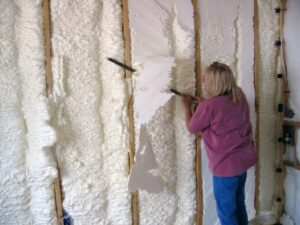
Unlike traditional materials, spray foam insulation provides a seamless and airtight barrier. This means it can eliminate gaps and cracks that might allow heat to escape or cold air to seep in. By creating an airtight seal, spray foam insulation ensures that the heat generated within the greenhouse stays where it belongs – inside.

Temperature Regulation

One of the most significant advantages of spray foam insulation is its ability to maintain a consistent temperature within the greenhouse. It prevents drastic temperature fluctuations that can stress or harm plants. With SPF, you can create a stable environment that mirrors the natural conditions your plants thrive in.

Energy Efficiency

Energy costs can be a significant concern for greenhouse owners. Spray foam insulation can help alleviate this burden. By reducing heat loss and minimizing the need for additional heating, it can lead to substantial energy savings over time.

Humidity Control

Maintaining the right humidity levels is crucial for plant health. Spray foam insulation not only regulates temperature but also helps manage humidity, creating an optimal growing environment for your plants.

Pest Control

Pests and insects can wreak havoc on greenhouse crops. Spray foam insulation acts as a barrier, making it more challenging for unwanted critters to infiltrate your growing space. This can reduce the need for chemical pesticides and promote healthier plant growth.

The Installation Process

Now that we’ve explored the benefits of spray foam insulation, you might be wondering about the installation process. It’s essential to note that while this insulation method offers numerous advantages, it’s crucial to have it installed correctly to reap the full benefits.

Professional Installation

A new spray foam rigs for sale expert told me spray foam insulation should be installed by trained professionals who have experience working with this material. The process involves spraying the foam onto the surfaces of your greenhouse, where it then expands and hardens. This requires precision and expertise to ensure an airtight seal without any gaps.

Safety Precautions

Safety should always be a top priority during the installation process. Proper ventilation and protective gear are essential to prevent exposure to the chemicals used in spray foam insulation. Hiring a reputable contractor with a focus on safety is crucial.

Cost Considerations

While the upfront cost of spray foam insulation may be higher than traditional materials, it’s essential to consider the long-term benefits. The energy savings, improved plant growth, and reduced maintenance costs can make spray foam insulation a wise investment.

Maintaining Your Insulated Greenhouse

Once your greenhouse is insulated with spray foam, proper maintenance is key to ensuring its continued efficiency and effectiveness. Here are some maintenance tips to keep in mind:

Regular Inspections

Periodically inspect the insulation for any signs of damage or wear. Promptly address any issues to prevent heat loss or humidity control problems.

Cleaning

Keep the surfaces of your greenhouse clean to prevent dust and debris from accumulating on the insulation. This can affect its performance over time.

Reapplication

In some cases, it may be necessary to reapply spray foam insulation if it becomes damaged or deteriorates. Consult with a professional to assess the condition of your insulation and determine if reapplication is needed.

Conclusion

In the world of greenhouse gardening, where precision and control are paramount, spray foam insulation stands as a beacon of innovation. Its ability to create an airtight seal, regulate temperature and humidity, and deter pests make it an invaluable addition to any greenhouse. While the initial investment may seem significant, the long-term benefits in terms of energy efficiency, plant health, and reduced maintenance costs make it a worthwhile choice.

If you’re serious about maximizing your greenhouse’s potential and creating the ideal environment for your plants to thrive, consider spray foam insulation. It’s a small change that can yield remarkable results, unlocking the full potential of your greenhouse and taking your gardening endeavors to new heights. With spray foam insulation, the future of greenhouse gardening is greener and more promising than ever before.

The Bountiful Harvest: Unveiling the Best Farming Practices for Austin, TX

Austin Best Farming Practices


Austin, Texas, renowned for its vibrant culture and tech-savvy atmosphere, is also blessed with a climate and geography that make it an ideal location for various types of farming. From the fertile soils of its Hill Country to the warmth of its long growing season, Austin offers a wealth of opportunities for agricultural endeavors. Whether you’re a seasoned farmer or an urban dweller with a green thumb, exploring the best types of farming in Austin can lead to a bountiful harvest and a deeper connection with the land. In this article, we’ll delve into the most suitable farming practices for the Austin area, considering its unique climate, soil composition, and local preferences.

Climate and Soil Considerations

Central Texas, including Austin, experiences a subtropical climate, characterized by hot, dry summers and mild winters. Such climatic conditions play a crucial role in determining the types of crops that thrive in the region. Additionally, the diverse soil compositions, ranging from sandy to clayey, influence the choice of farming methods. As a result, some of the best farming practices for Austin encompass:

Sustainable Urban Gardening

For urban residents and those with limited space, sustainable urban gardening is a fantastic option. Utilizing raised beds, container gardening, and vertical gardening techniques, individuals can grow a variety of vegetables, herbs, and even small fruit trees. Austin’s extended growing season, with frost-free periods of about 300 days, ensures that these urban gardens can produce multiple harvests throughout the year. Tomatoes, peppers, herbs like basil and thyme, and salad greens are well-suited for urban gardening.

Drought-Resistant Crops

Water scarcity is a concern in the region, so embracing drought-resistant crops is both environmentally responsible and practical. Sorghum, a gluten-free grain, and okra, a Southern favorite, are resilient to Austin’s dry spells. Native plants like prickly pear cactus and the flavorful mesquite bean also thrive in these conditions. By choosing plants adapted to the local environment, farmers can reduce water usage while enjoying productive yields.

Fruit Orchards

Austin’s climate supports the cultivation of various fruit trees. Peaches, plums, figs, and pomegranates flourish in the warm weather and can be a rewarding addition to any farm. Incorporating fruit orchards not only provides fresh, locally grown produce but also contributes to the preservation of heritage fruit varieties that are well-suited to the region.

Organic Farming

The organic farming movement has gained momentum in Austin, aligning with the city’s eco-conscious ethos. Organic farming practices prioritize soil health, biodiversity, and sustainability. Farmers in Austin can cultivate organic vegetables, fruits, and herbs, catering to the increasing demand for fresh, pesticide-free produce in local markets and restaurants.

Vineyards and Wineries

Austin’s surrounding Hill Country boasts a terroir conducive to grape cultivation. Vineyards and wineries have thrived in the area, producing high-quality wines. Varieties like Tempranillo, Viognier, and Mourvèdre have shown success in this region. An Austin commercial electrician who owns a vineyard told me starting a vineyard can be a long-term investment, but the results can be immensely rewarding, both in terms of the wine produced and the picturesque landscapes created.

Local Preferences and Community Engagement

In addition to considering the climate and soil, understanding local preferences and engaging with the community can greatly influence the success of a farming endeavor in Austin.

Farmers’ Markets and CSA Programs

Austin’s residents have a strong affinity for locally sourced, farm-fresh produce. Participating in farmers’ markets and Community Supported Agriculture (CSA) programs establishes direct connections with consumers. Farmers’ markets, such as the renowned Barton Creek Farmers Market and Texas Farmers’ Market, offer a platform to showcase products and engage in meaningful conversations with customers.

Farm-to-Table Restaurants

The city’s dynamic food scene provides a significant opportunity for collaboration between farmers and chefs. Farm-to-table restaurants are on the rise in Austin, highlighting the importance of locally grown ingredients. By cultivating specialty crops and building relationships with chefs, farmers can tap into this culinary movement and contribute to the city’s gastronomic culture.

Educational Initiatives

Engaging with the community through workshops, farm tours, and educational initiatives fosters a deeper connection between consumers and producers. Austin’s environmentally conscious population is eager to learn about sustainable farming practices and the challenges faced by local farmers. By opening their farms for educational events, farmers can bridge the gap between rural and urban communities.

Conclusion

In the heart of the Lone Star State, Austin’s diverse climate, fertile soils, and vibrant community create a unique tapestry for agricultural pursuits. From urban gardening to sustainable farming practices, the city offers a multitude of options for those eager to till the land. By considering the local climate, soil composition, and community preferences, aspiring farmers can embark on a journey that not only yields a bountiful harvest but also contributes to the rich cultural fabric of Austin. So, whether you’re nurturing a backyard garden or contemplating a vineyard venture, Austin’s soil is ready to nurture your agricultural dreams.

How to Remove Mold Out of a Garden: A Comprehensive Guide

removing garden mold


A lush, vibrant garden is a haven of beauty and serenity. However, even the most well-maintained gardens can fall victim to mold infestations, which can mar the aesthetics and health of your outdoor space. Mold not only detracts from the visual appeal of your garden but can also damage plants and pose health risks to both humans and pets. In this comprehensive guide, we will delve into the causes of mold in gardens and provide you with a detailed step-by-step plan to effectively remove mold and prevent its return. Let’s embark on a journey to restore your garden to its full glory!

Understanding Garden Mold: What is Garden Mold?

Garden mold, often referred to as mildew, is a type of fungal growth that can develop on plants, leaves, and soil surfaces. It appears as white or gray powdery patches on the plant’s surface and can hinder photosynthesis, leading to weakened growth and overall plant health.

Causes of Garden Mold

Mold thrives in humid and damp conditions, making gardens susceptible to infestations after periods of heavy rainfall or improper irrigation. Poor air circulation, overcrowding of plants, and dense vegetation can create the ideal environment for mold growth.

Common Types of Mold in Gardens

An Isle of Palms Mold in the vents business owner told me two common types of mold that affect gardens are powdery mildew and downy mildew. Powdery mildew presents as a white, powdery substance on the leaves and stems, while downy mildew appears as yellowish patches on the undersides of leaves. Identifying the type of mold in your garden can help you tailor your removal and prevention strategies.

Detecting Mold Infestations: Signs of Mold Growth

Keep an eye out for white or gray powdery spots, discoloration, and distorted growth on plant leaves. These are indicative of mold infestations. Inspect both sides of leaves, as some mold types develop on the undersides.

Common Mold Hotspots in Gardens

Mold tends to flourish in areas with poor air circulation, high humidity, and excessive moisture. Shaded corners, areas near water sources, and densely planted sections are prime spots for mold growth.

Removing Garden Mold: Safety Precautions

Before embarking on mold removal, don appropriate protective gear, including gloves, a mask, and eyewear, to prevent direct contact with mold spores.

Gather Necessary Tools

You’ll need pruning shears, a rake, a spray bottle, natural remedies (discussed later), and commercial fungicides if deemed necessary.

Step-by-Step Removal Process

  • Removing Affected Leaves and Debris: Begin by cutting off and discarding mold-infested leaves, flowers, and plant parts. Dispose of the debris properly to prevent spreading the spores.
  • Pruning Overcrowded Plants: Improve air circulation by selectively pruning overcrowded plants. This helps reduce the humidity levels that promote mold growth.
  • Soil Aeration and Drainage Improvement: Rake the soil to enhance aeration and drainage, minimizing excessive moisture that molds thrive on.
  • Applying Natural Remedies: Use homemade solutions like baking soda or milk sprays, diluted neem oil, or garlic-infused water. These natural remedies have antifungal properties that combat mold growth.
  • Using Commercial Mold Removal Products: If the infestation is severe, consider using commercial fungicides following the manufacturer’s instructions. Choose eco-friendly options whenever possible.

Preventing Future Mold Growth: Proper Plant Spacing

Plant your garden with adequate spacing between plants to encourage proper air circulation and reduce humidity.

Well-Designed Irrigation Practices: Water plants in the morning to allow foliage to dry during the day. Avoid overhead watering, which can create moist conditions that favor mold.

Regular Garden Maintenance: Keep your garden tidy by removing fallen leaves and debris promptly. Regular maintenance reduces potential mold breeding grounds.

Sunlight and Air Circulation Enhancement: Trim surrounding vegetation that blocks sunlight and air circulation to prevent damp, shaded areas where mold thrives.

Mulching Techniques: Apply mulch sparingly, as excessive mulch can trap moisture. Opt for materials that promote airflow, like straw or wood chips.

Using Mold-Resistant Plant Varieties: When planning your garden, choose plant varieties known for their mold resistance. Research and consult local experts for recommendations.

Eco-Friendly Practices: Composting Mold-Infested Debris

Composting mold-infested debris is safe if your compost pile reaches high temperatures. However, if you’re uncertain, it’s best to dispose of the debris in green waste bins.

Beneficial Insects for Mold Control: Introduce beneficial insects like ladybugs and lacewings, which feed on mold and help control its spread.

Organic Fungicides and Preventive Measures: Explore organic fungicides made from neem oil, copper-based solutions, or potassium bicarbonate. These are safer for the environment while effectively combating mold growth.

Conclusion

Your garden is a sanctuary of beauty and tranquility, and mold doesn’t have to compromise its vitality. By understanding the causes of mold, detecting infestations early, employing a meticulous removal process, and implementing preventive measures, you can successfully remove mold from your garden and ensure its long-term health. Remember that the key to a mold-free garden is consistent care, thoughtful planning, and a commitment to maintaining a balanced environment that fosters healthy plant growth. With these strategies at your disposal, your garden can thrive and flourish once more, showcasing its full splendor for all to enjoy.