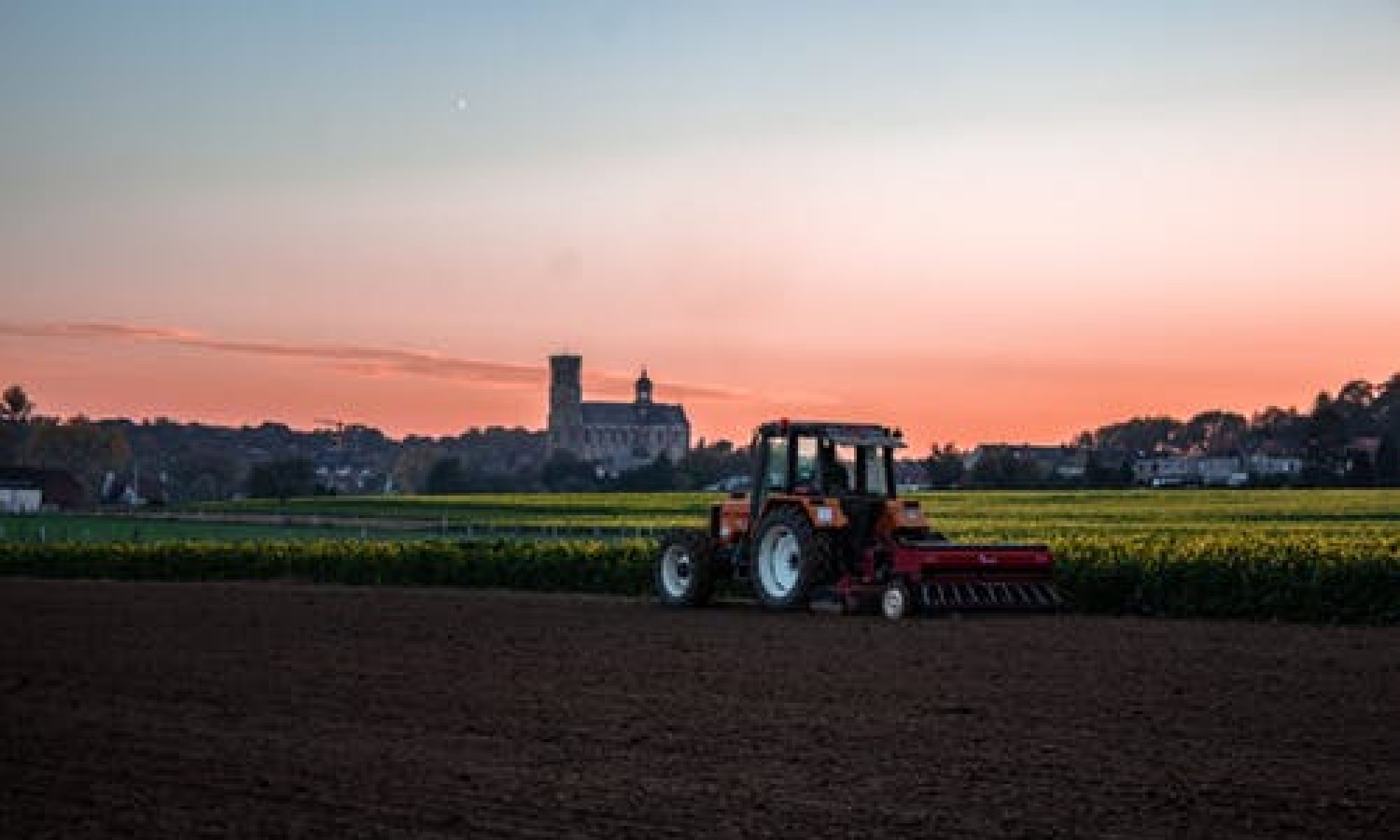

Georgia agriculture has never been a small story. From row crops and livestock to produce, agritourism, and land stewardship, Georgia agriculture remains woven into the state’s identity and economy. The scale of that impact is clear in the 2026 Georgia Ag Impact Report, which reports that food and fiber production and related industries contributed $100.4 billion in output in 2024 and supported more than 370,400 jobs. USDA’s 2025 State Agriculture Overview for Georgia also shows how broad that footprint is, with 38,000 farms operating across 9.9 million acres in the state. In a farming environment that large, strong results do not start at harvest. They start with the land itself being prepared, shaped, drained, and made workable for the realities of daily farm operations.
That is exactly why a dependable Excavation Contractor Thomaston GA matters on a Georgia farming website and in real agricultural life. Farming depends on timing, access, water control, safe equipment movement, and usable ground. When those pieces are off, even a productive property can become harder to manage, harder to protect, and more expensive to operate. A reliable excavation partner helps turn raw or difficult land into land that supports production, protects investments, and keeps the farm moving with fewer setbacks.
Farming Runs on Prepared Ground
Farmers do not simply work the land. They work land that has to be accessible, stable, and ready for repeated use by people, trucks, tractors, trailers, irrigation equipment, and service vehicles. That means a farm often depends on much more than planting and harvesting. It depends on grading, clearing, trenching, site preparation, pad building, drive access, drainage correction, and pond or ditch work that supports the way the property functions as a whole. These are not cosmetic improvements. They are operating improvements that affect how efficiently the farm works every single day.
A reliable excavation contractor helps a farm create stronger foundations for barns, workshops, equipment storage areas, feed areas, utility lines, culverts, entrance roads, and other essential spaces. When the ground is not shaped correctly, rain can pool, driveways can wash out, and equipment can get delayed or damaged. When the site is prepared correctly from the start, the farm gains better usability and better long-term value. That kind of work becomes even more important in a state where agriculture touches so many counties and commodity types, as reflected in the University of Georgia’s Farm Gate Value reports, which are built from county-level production data across Georgia.
Drainage, Access, and Water Control Matter
One of the biggest reasons farming operations depend on excavation is water. Too much water in the wrong place can interrupt planting schedules, damage roads, erode usable land, and create recurring headaches around barns, gates, pastures, and equipment zones. Too little control over runoff can also shorten the life of improvements that cost real money to build. Proper grading and drainage work can help move water where it needs to go instead of allowing it to collect where it causes trouble.
This matters in Georgia because agriculture is not standing still. The Georgia Department of Agriculture continues to emphasize programs tied to plants, soil, agribusiness, disaster response, and farm-related resources, while the department’s news and industry updates reflect how closely the state tracks the condition of its agricultural systems. At the same time, the USDA’s Georgia Farm Service Agency news page has highlighted disaster assistance and recovery support for producers impacted by winter storms in 2026. That kind of public information reinforces a simple truth: land conditions and weather pressures can change fast, and farms need infrastructure that holds up when conditions get hard. Excavation work helps create that resilience before the next weather event exposes a weak point.
Georgia Farmers Are Managing Tight Margins
Reliable sitework matters even more when margins are tight. The University of Georgia’s 2026 Georgia Ag Economic Outlook says total costs of production are expected to increase for all major U.S. field crops from 2025 to 2026, and it notes that flat output prices combined with higher costs are likely to keep value less total costs negative for many crops in 2026. Georgia Farm Bureau reporting has echoed those concerns in practical terms, with farmers discussing rising fertilizer costs, fuel costs, labor pressures, and the strain those realities place on profitability and borrowing.
In that kind of environment, wasted time and recurring land problems become more than an inconvenience. They become profit leaks. A washed-out drive, a poorly graded equipment pad, an unstable entrance, or drainage trouble around a work area can create repeat expenses that a farm does not need. A dependable excavation contractor helps reduce those hidden costs by doing the job correctly, planning for durability, and making improvements that solve the underlying problem instead of covering it temporarily. When farms are watching every dollar, dependable groundwork becomes part of smart farm management.
A Local Contractor Helps Protect Timelines
Georgia farming is tied to timing. Work has to happen when the weather, labor, and production calendar allow it. Delays can affect crop work, deliveries, access for crews, movement of livestock support, utility installation, and construction schedules for new farm structures. A local contractor who understands the land, the pace of the area, and the importance of communication can make a real difference when a job needs to move forward without unnecessary confusion.
That local advantage matters in a year when acreage shifts and production decisions are already moving. Georgia Farm Bureau reported that corn acreage is expected to rise in 2026, cotton acreage is expected to increase, and peanut acreage is expected to decline compared with 2025. Those kinds of shifts show that farm operators are constantly adjusting acreage, inputs, and land use decisions based on changing conditions. When the land itself needs to be reshaped to support those decisions, a reliable excavation company becomes part of staying ready instead of falling behind.
A good contractor also helps protect trust. Farming operations often rely on repeat relationships and word-of-mouth confidence. Property owners want someone who shows up, understands the assignment, uses the right equipment, communicates clearly, and leaves behind work that performs. That reliability supports not only a single project, but the long-term function of the farm. On a Georgia farming website, that message resonates because it aligns with how producers actually make decisions: they value results, follow-through, and work that holds up.
Excavation Supports Growth Beyond the Field
Excavation is not only about fixing problems. It is also about making growth possible. A farm may need a new building pad, expanded equipment access, utility trenching, a pond project, a better road layout, grading around a greenhouse or produce area, or site preparation for a retail farm stand or agritourism feature. As Georgia continues to invest in programs connected to farm visibility and regional support, including Georgia Grown resources and market-facing agricultural initiatives, site readiness becomes part of how farms serve both production and business goals.
That broader picture fits the way Georgia agriculture is discussed in current agricultural reporting. The Georgia Farm Bureau ag news reflects conversations about policy, labor, financing, and commodity pressures, while the state’s agricultural agencies continue publishing updates that affect producers on the ground. A farm that is easier to access, easier to maintain, and better prepared for expansion is in a stronger position to adapt. Excavation supports that adaptability by turning a property into a better working asset, not just a piece of land.
Conclusion
Georgia farming depends on more than seed, weather, and hard work. It depends on land that is prepared to support the demands of real agricultural use. Roads have to hold up. Pads have to stay firm. Water has to move in the right direction. Equipment needs access. New improvements need a solid base. When those basics are handled well, the farm works better, protects more of its investment, and gains stronger day-to-day efficiency.
That is why dependable excavation work matters so much in and around Thomaston. On a Georgia farming website, the value is clear. A reliable contractor helps make the land more usable, more durable, and more ready for the realities of modern agriculture. In a state where agriculture remains a major economic force and farmers are navigating tight margins, changing acreage decisions, and weather-related pressure, strong sitework is not secondary. It is part of what helps the farm keep going.