Enhancing Farmhouse Charm: The Timeless Appeal of Light Walnut Flooring

walnut floor


Nestled within the rustic charm and serene landscapes, farmhouses embody a sense of warmth and tradition. These idyllic retreats often blend modern comforts with timeless aesthetics, creating a haven of comfort and style. Among the many choices for farmhouse interior design, flooring stands out as a crucial element. One option that resonates deeply with the farmhouse ambiance is light walnut flooring. In this comprehensive guide, we delve into the reasons why farmhouses should embrace the allure of light walnut flooring and explore its myriad benefits in complementing the rustic beauty of these abodes.

Natural Aesthetics and Warmth: Light walnut flooring embodies a natural elegance that effortlessly enhances the rustic appeal of farmhouses. The soft, golden hues of light walnut bring a sense of warmth to the interior spaces, creating an inviting atmosphere. Its natural grains and textures add character to the floors, evoking a connection with nature that aligns perfectly with the farmhouse aesthetic.

Versatility and Timelessness: One of the remarkable features of light walnut flooring is its versatility. It complements a wide range of interior styles, from traditional farmhouse décor to more contemporary designs. The timeless nature of walnut ensures that it remains a coveted choice, transcending trends and staying relevant for years to come. Its adaptability allows homeowners to experiment with various furniture styles and color palettes while maintaining a cohesive and charming look.

Durability and Longevity: Farmhouses, often bustling with activity, require sturdy and durable flooring options. Light walnut flooring, known for its durability, withstands heavy foot traffic and is resilient against wear and tear. Properly maintained, it can last for decades, making it a cost-effective investment for farmhouse owners. Its robust nature makes it suitable for the dynamic lifestyle often associated with farm living.

Enhanced Light and Space Perception: The light tones of walnut flooring have a remarkable ability to reflect natural light, making rooms appear more spacious and airy. In farmhouses, where ample sunlight filters through large windows, light walnut flooring amplifies this effect, creating an open and welcoming environment. It contributes to the overall brightness of the space, making it feel more expansive and inviting.

Ease of Maintenance: Farmhouse living often involves activities that may lead to occasional messes or spills. Light walnut flooring is relatively easy to maintain, requiring simple cleaning routines to retain its natural luster. Regular sweeping and occasional mopping are usually sufficient to keep it looking pristine. Additionally, the natural variations and grains in walnut can mask minor scratches and imperfections, maintaining the floor’s appeal over time.

Environmental Sustainability: Sustainability is increasingly becoming a priority in interior design choices. Light walnut flooring, when sourced from responsibly managed forests, is an eco-friendly option. Walnut trees are known for their relatively fast growth, and proper forest management ensures the replenishment of these valuable resources.

Conclusion

Light walnut flooring stands out as a quintessential choice for farmhouses, effortlessly blending timeless elegance with practicality and durability. Its natural aesthetics, warmth, versatility, and sustainability make it a top contender among flooring options for those seeking to elevate the charm of their farmhouse retreats. The enduring appeal and ability to adapt to various design schemes ensure that light walnut flooring remains a classic choice for generations to come. By incorporating this stunning flooring option, farmhouse owners can enhance the inherent beauty of their spaces while creating a welcoming and inviting atmosphere that resonates with the essence of country living.

Enhancing Farm Efficiency and Livelihood: The Vital Role of an Audio Store

home audio stores near me


Agriculture has always been at the heart of human civilization, providing sustenance and resources essential for survival. Over the years, technological advancements have revolutionized farming practices, aiming to improve efficiency, productivity, and sustainability. In this digital age, where innovation permeates every sector, the integration of audio technology in agriculture might seem unconventional, yet it holds immense potential in transforming traditional farming methods. The concept of an audio store for farms might raise eyebrows initially, but its utility and benefits are remarkable.

Communication and Instruction

A farm is a bustling hub of activity, often with a diverse workforce engaged in various tasks. Communication is key to ensuring seamless operations and productivity. An audio store equipped with communication devices such as two-way radios or walkie-talkies becomes indispensable. It facilitates instant communication between different sections of the farm, enabling quick coordination, issuing instructions, and responding promptly to emergencies. For instance, during harvest seasons or when managing livestock, immediate communication is crucial to optimize processes and ensure smooth workflow.

Safety and Security

Farms encompass vast areas, and maintaining security and safety across this expanse is a challenging task. Audio technology aids in bolstering farm security. Alarms, sirens, or even motion-detecting audio systems help deter trespassers and alert farm personnel of potential threats. Moreover, these systems can be integrated with surveillance cameras, providing a comprehensive security network that safeguards the farm’s assets, equipment, and livestock.

Training and Education

Continuous education and training are pivotal in the agricultural sector to keep up with evolving techniques and technologies. Audio stores can stock resources such as recorded seminars, podcasts, or educational materials tailored for farmers and agricultural workers. These resources can cover a wide array of topics, including crop management, animal husbandry, market trends, and sustainable farming practices. By providing easy access to such educational content, farms can empower their workforce with knowledge that enhances their efficiency and effectiveness.

Entertainment and Morale

Farming can be physically demanding and mentally taxing. During long working hours, providing a source of entertainment or relaxation becomes crucial for maintaining morale. An audio store can offer music systems, podcasts, or audiobooks that help workers unwind during breaks or monotonous tasks. This not only boosts morale but also contributes to a positive work environment, potentially increasing overall productivity.

Environmental Monitoring

Modern agriculture emphasizes environmental sustainability. Audio technology integrated with sensors can aid in environmental monitoring. For instance, audio sensors can detect irregularities in natural sounds, signaling potential issues like water leaks, machinery malfunctions, or even changes in animal behavior. This proactive approach allows for timely intervention, preventing potential disasters and minimizing environmental impact.

Accessibility and Inclusivity

Accessibility is crucial in every workplace. An audio store equipped with assistive devices caters to workers with visual impairments or those who might face challenges with written instructions. Audio-based guidance systems or devices equipped with voice recognition technology ensure that everyone, regardless of their abilities, can contribute effectively to farm operations.

Conclusion

Innovation in agriculture is not limited to advancements in machinery or crop science. Integrating audio technology into farms can revolutionize the way farming is approached, enhancing efficiency, safety, communication, and overall productivity. An audio store near me in a farm setting might seem unconventional at first, but its multifaceted benefits make it a vital component in modern agricultural practices. As the agricultural landscape evolves, embracing these technological advancements becomes pivotal for farms to thrive sustainably while meeting the growing demands of a changing world.

The Importance of Glass Repair for Baltimore Farms: Safeguarding Agriculture and Sustainability

glass repair Baltimore MD


Nestled amidst the vibrant city of Baltimore lies a network of farms, cultivating life and sustenance for its community. These farms are not only the backbone of local agriculture but also symbols of resilience and sustainability. However, the challenges faced by these farms often go unnoticed, especially concerning the maintenance and repair of crucial elements like glass structures.

Glass, a fundamental component in modern farming infrastructure, plays a pivotal role in facilitating optimal growth conditions, protecting crops, and fostering sustainability. In this comprehensive exploration, we delve into the significance of glass repair for Baltimore farms, understanding the pivotal role it plays in ensuring the continuity and success of agricultural endeavors.

The Role of Glass in Baltimore Farms

Glass structures, including greenhouses, conservatories, and various enclosures, are integral to Baltimore’s farming landscape. These structures harness the power of natural light, creating controlled environments that nurture crops beyond the limitations of weather and seasonality.

Greenhouses and Controlled Environments: The utilization of greenhouses allows farmers to extend growing seasons, fostering year-round cultivation. Glass enables the regulation of temperature, humidity, and light exposure, creating ideal conditions for various crops, from delicate flowers to robust vegetables, enhancing yield and quality.

Protection Against External Elements: Baltimore’s weather can be unpredictable, with storms, hail, and extreme temperatures posing threats to agricultural produce. Glass shields plants from adverse weather conditions, minimizing damage and maintaining a stable climate for healthy growth.

Energy Efficiency and Sustainability: Well-maintained glass structures contribute to energy efficiency by maximizing natural light, reducing the need for artificial lighting during daylight hours. Additionally, they support sustainable practices by enabling controlled irrigation systems and minimizing the usage of pesticides and chemicals.

Importance of Glass Repair for Baltimore Farms

Despite its durability, glass in farming structures is susceptible to damage due to various factors:

Weather-Induced Damage: Harsh weather elements, such as heavy storms or hail, can cause cracks, fractures, or complete breakage in glass panels, compromising the integrity of the structure.

Aging and Wear: Over time, glass may succumb to wear and tear, losing its transparency and structural stability, thereby reducing its effectiveness in providing the necessary growing conditions for crops.

Accidental Damage: Mishaps or accidents on the farm, such as collisions with machinery or human error, can result in immediate glass damage, necessitating prompt repairs to prevent further complications.

The Consequences of Neglected Glass Repair

Failure to address damaged or deteriorating glass in farm structures can lead to detrimental consequences:

Crop Losses: Cracked or broken glass exposes crops to adverse weather conditions, pests, and diseases, leading to reduced yields or complete crop loss.

Increased Operational Costs: Inefficient structures demand more energy consumption through heating or cooling systems, escalating operational expenses for farmers.

Compromised Sustainability: Unrepaired glass diminishes the farm’s sustainable practices by requiring additional resources to compensate for the compromised structure, negating the efforts toward eco-friendly agriculture.

The Solution: Importance of Timely Glass Repair

Understanding the critical role of glass in farm structures, prompt and professional glass repair services become imperative for Baltimore farms:

Timely Repairs Ensure Continuity: Swift repair of damaged glass preserves the optimal growing conditions within structures, safeguarding crop health and continuity of production.

Cost-Efficiency and Sustainability: Addressing glass damage promptly mitigates the need for extensive repairs or replacements, reducing overall costs and preserving the farm’s sustainability efforts.

Enhanced Productivity: Well-maintained glass structures foster ideal growing environments, resulting in higher yields, improved crop quality, and increased profitability for farmers.

Conclusion

In the tapestry of Baltimore’s agricultural landscape, glass repair emerges as an essential thread weaving together sustainability, productivity, and the longevity of farming endeavors. Recognizing the significance of maintaining and promptly repairing glass structures on farms is crucial for ensuring the resilience and success of Baltimore’s agricultural community. By prioritizing Baltimore glass repair, farms can uphold their commitment to sustainability, maximize productivity, and continue nourishing both the land and its people.

Through proactive measures and a concerted effort to prioritize glass repair, Baltimore farms can continue thriving, resilient against the challenges posed by time, weather, and unforeseen circumstances, thus sustaining the city’s agricultural legacy for generations to come.

Protecting Your Indianapolis Farm: The Importance of Radon Mitigation

radon mitigation system installation near me


Indianapolis, known for its rich history and thriving agricultural community, is home to numerous farms that contribute to the state’s economy and food production. While farming brings many rewards, it also comes with its own set of challenges and responsibilities. One of these often-overlooked challenges is the presence of radon gas, a naturally occurring radioactive gas that can pose significant health risks to both humans and animals. In this article, we will explore why an Indianapolis farm would need radon mitigation, the dangers of radon exposure, and the steps farmers can take to protect their families, livestock, and crops from this silent threat.

Understanding Radon: The Silent Intruder

Before delving into the specific reasons why an Indianapolis farm needs radon mitigation, it’s essential to grasp what radon is and how it enters your farm environment.

What is Radon?

Radon is a colorless, odorless, and tasteless gas that is formed by the natural decay of uranium in soil, rock, and water. It is a radioactive gas, and it’s prevalent in certain geographical areas, including Indianapolis and the surrounding regions. Radon seeps out of the ground and can enter buildings, including farm structures, through cracks and gaps in the foundation, crawl spaces, and basements.

The Radon Risk in Indianapolis

Indianapolis and the state of Indiana have been identified as areas with a higher risk of radon exposure. The unique geology of the region, including the presence of uranium-bearing rock, contributes to elevated radon levels. This means that farms in and around Indianapolis are at an increased risk of radon infiltration.

The Dangers of Radon Exposure on the Farm

Radon is often referred to as a “silent intruder” because it cannot be detected by our senses. However, its health risks are far from silent. Radon exposure poses numerous dangers to both humans and animals on the farm.

Health Risks for Farmers and Farm Workers

Lung Cancer: Radon is the second leading cause of lung cancer, and it is responsible for thousands of deaths each year in the United States. For farmers who spend long hours working in farm buildings, the risk of exposure is significant.

Respiratory Issues: Radon exposure can cause or exacerbate respiratory problems, such as asthma and chronic obstructive pulmonary disease (COPD). These health issues can affect a farmer’s ability to work effectively.

Fatigue and Weakness: Radon exposure can lead to fatigue and weakness, making it challenging to carry out the physically demanding tasks required on a farm.

Livestock and Crop Impact

Reduced Livestock Productivity: Radon exposure in farm buildings can adversely affect livestock health and productivity. Livestock exposed to radon may experience increased stress, decreased reproduction rates, and compromised growth.

Crop Yield Reduction: Radon exposure can also affect crop yields by hindering the growth and development of plants. The long-term impact can result in significant financial losses for the farm.

Protecting Your Indianapolis Farm with Radon Mitigation

Now that we understand the risks of radon exposure on the farm, it’s crucial to explore the ways in which farmers can protect their families, livestock, and crops from this invisible threat.

Radon Testing

Initial Testing: The first step in radon mitigation is to conduct a radon test on your farm’s structures, including homes, barns, and other outbuildings. Testing should be performed by professionals who are experienced in radon detection.

Continuous Monitoring: For farms, especially those with long-term occupation, continuous radon monitoring systems can provide real-time data and peace of mind.

Radon Mitigation Systems

Active Soil Depressurization: This is the most common and effective method for radon mitigation. It involves the installation of a ventilation system that prevents radon from entering buildings.

Passive Mitigation: For existing farm structures, passive mitigation methods can be used. These include sealing cracks and gaps in the foundation and improving ventilation to reduce radon infiltration.

Regular Maintenance

Once a radon mitigation system is in place, it is essential to schedule regular maintenance and inspections to ensure its continued effectiveness. An improperly maintained system may allow radon levels to rise again, putting your farm at risk.

Benefits of Radon Mitigation for Indianapolis Farms

Health and Well-being

Protection for Farm Workers: Mitigating radon ensures the health and safety of everyone working on the farm, from the farmer and their family to farm laborers.

Livestock and Crop Health: Radon mitigation helps maintain optimal conditions for livestock and crop growth, resulting in healthier animals and higher yields.

Financial Benefits

Increased Property Value: Radon mitigation can increase the value of your farm’s buildings, making them more attractive to potential buyers or tenants.

Reduced Medical Costs: By preventing radon-related health issues, you can save on medical expenses, insurance premiums, and lost workdays.

Legal and Ethical Considerations

Compliance with Regulations: Radon mitigation may be required by local or state regulations, ensuring that your farm remains in legal compliance.

Ethical Responsibility: As a responsible farmer and member of the community, it is essential to protect your family, workers, and animals from the dangers of radon exposure.

Conclusion

While Indianapolis farms face a range of challenges, radon exposure is a hidden and potentially deadly threat that should not be ignored. The dangers of radon exposure to farmers, farm workers, livestock, and crops are very real. Fortunately, by implementing radon mitigation Indianapolis measures, such as testing and the installation of mitigation systems, farmers can safeguard their health, economic investments, and legal standing.

Farmers in Indianapolis need to take proactive steps to address radon exposure, as the consequences of inaction can be severe. Investing in radon mitigation is not only a sound financial decision but also a moral responsibility to protect the well-being of all those who depend on the farm. By addressing this silent intruder, Indianapolis farms can continue to thrive and contribute to the region’s rich agricultural tradition.

Why Farms Need a Rigging Company Near Me for Construction

rigging companies near me


Farms are the backbone of our society, providing the food and resources necessary for our survival. However, the modern agricultural landscape is rapidly evolving, with farms expanding, diversifying, and adopting new technologies to meet the demands of a growing population. With these changes come the need for construction and expansion of farm facilities. This is where a rigging company near you can play a pivotal role.

Rigging companies are essential partners in the construction and development of farm infrastructure. Their expertise in handling heavy equipment, transporting materials, and executing precision lifts makes them invaluable to the agricultural sector. In this article, we’ll delve into the reasons why farms need a rigging company nearby for construction projects, highlighting the crucial role they play in ensuring the success and sustainability of farming operations.

Specialized Equipment and Expertise

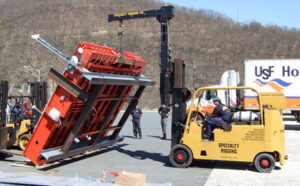
One of the primary reasons why farms should partner with a rigging company is their access to specialized equipment and expertise. Rigging companies are equipped with cranes, forklifts, and other heavy machinery that are essential for lifting and positioning heavy materials and equipment. These tools are often unavailable on farms, making it impractical for farmers to handle large-scale construction projects independently.

Rigging companies employ skilled professionals who are trained to operate these machines safely and efficiently. They have the expertise to plan and execute complex lifts, ensuring that heavy equipment and materials are positioned precisely, reducing the risk of accidents and damage to the farm infrastructure.

Efficient and Cost-Effective Operations

Efficiency and cost-effectiveness are critical factors for farms, and a nearby rigging company can deliver on both fronts. With their experience and equipment, rigging companies can complete construction projects in a shorter timeframe compared to manual labor or using inadequate machinery. This reduces downtime, allowing farms to resume normal operations sooner.

Moreover, outsourcing rigging services can often be more cost-effective than attempting to purchase and maintain the necessary heavy machinery. Farms can save on capital costs, maintenance expenses, and labor costs by relying on a specialized rigging company for their construction needs.

Safety First

Safety is paramount on farms, and construction projects can introduce numerous risks. Working with a rigging company ensures that safety measures are at the forefront of any operation. These professionals are trained in safety protocols, and their equipment is regularly inspected and maintained to meet safety standards. This commitment to safety not only protects the workers but also safeguards the farm’s assets and operations.

Versatile Services

Rigging companies offer a range of services beyond heavy lifting and equipment positioning. They can assist with material transportation, assembly, disassembly, and more. Whether you’re building a new barn, installing silos, or setting up irrigation systems, a rigging company can provide the necessary expertise and equipment to facilitate the construction process. This versatility is a significant advantage for farms, as they can rely on a single contractor for various construction needs.

Precision and Expertise

Farms often require precise positioning and assembly of equipment and structures. A rigging company’s expertise in rigging and lifting operations ensures that every component is placed accurately. This precision is vital for the functionality and longevity of farm infrastructure, such as grain bins, wind turbines, or dairy parlors. Relying on a rigging company guarantees that everything is installed correctly the first time, reducing the need for costly corrections and repairs.

Handling Farm-Specific Challenges

Farms come with their unique challenges, such as uneven terrain, remote locations, and specialized equipment. Rigging companies are well-versed in dealing with these challenges. They can adapt their approach to suit the farm’s specific needs, whether it’s maneuvering heavy equipment through tight spaces or navigating rough terrain. This ability to overcome farm-specific obstacles is a compelling reason to engage a rigging company for construction projects.

Focus on Core Farming Activities

When farms undertake construction projects on their own, it can divert valuable resources and manpower away from core farming activities. By partnering with a nearby rigging company, farmers can focus on what they do best – growing crops and raising livestock – while leaving construction and rigging tasks to the experts. This not only improves overall farm efficiency but also allows farmers to allocate their resources more effectively.

Compliance with Regulations

Construction on farms may be subject to local, state, or federal regulations. A rigging company is well-versed in these regulations and can ensure that all construction activities comply with the necessary codes and permits. This expertise helps farms avoid potential legal issues and fines while ensuring that the constructed infrastructure meets safety and environmental standards.

Timely Project Completion

Timeliness is a critical factor in the success of farm construction projects. Whether it’s preparing for the planting season or accommodating the needs of livestock, farms often operate on tight schedules. Rigging companies understand the importance of meeting deadlines and can work efficiently to ensure that construction projects are completed on time.

Scalability for Future Projects

As farms grow and evolve, their construction needs may change. A reliable rigging company can scale its services to accommodate future projects, whether it’s expanding existing structures or building entirely new facilities. This scalability is essential for farms looking to adapt to changing market demands and technological advancements.

Conclusion

Farms are the lifeblood of our society, providing the essential resources that sustain us. To meet the challenges of a rapidly changing agricultural landscape, farms must invest in construction and development. However, it is crucial to recognize the invaluable role that a rigging company near me can play in ensuring the success and sustainability of these endeavors.

From specialized equipment and expertise to safety, cost-effectiveness, and versatility, rigging companies bring a wealth of benefits to the table. They handle the unique challenges that farms face and allow farmers to focus on their core activities, all while ensuring compliance with regulations and timely project completion.

For farms striving to grow, adapt, and thrive in an ever-evolving agricultural industry, partnering with a nearby rigging company is not just a choice but a necessity. These companies are the unsung heroes behind the scenes, helping farms build the infrastructure they need to feed the world and sustain our future.

Owner Representation Services in Farm Construction: Ensuring Success Every Step of the Way

owner representation


Farm construction projects are significant endeavors that require careful planning, precise execution, and a deep understanding of agricultural operations. Whether you are a seasoned farmer looking to expand your facilities or a new entrant to the world of agriculture, it’s essential to have a reliable team of experts by your side to oversee the entire construction process. This is where owner representation services come into play.

Owner representation services provide a crucial link between you, the farm owner, and the construction team, ensuring that your vision is executed with the highest degree of efficiency, quality, and cost-effectiveness. In this comprehensive guide, we will delve into the world of owner representation services in farm construction, exploring their role, benefits, and how they can contribute to the success of your agricultural project.

The Role of Owner Representation Services

Owner representation services are essentially your advocates in the complex world of farm construction. They serve as your eyes and ears on the ground, overseeing every aspect of the project, from inception to completion. Their primary roles include:

Project Oversight: Owner representatives ensure that the project aligns with your goals and specifications. They review and approve construction plans, budgets, and timelines, making sure everything is on track.

Risk Management: They identify potential risks and challenges and develop strategies to mitigate them. This proactive approach can save you time and money in the long run.

Quality Assurance: Owner representatives enforce quality standards and ensure that construction work complies with local regulations and industry best practices.

Cost Control: They closely monitor the project’s finances, working to keep costs within the budget. This involves regular cost assessments, cost forecasting, and change order management.

Communication Hub: Owner representation services facilitate communication between you, the construction team, and other stakeholders, ensuring everyone is on the same page and informed of project developments.

The Benefits of Owner Representation Services

Farm construction projects can be complex and challenging. Having owner representation services at your disposal offers a multitude of benefits:

Expertise: Owner representatives bring extensive experience and knowledge of the agricultural and construction industries. They understand the unique needs of farm projects and can offer valuable insights to enhance the efficiency and effectiveness of your build.

Time and Cost Savings: Their involvement can lead to cost-effective decision-making, timely problem resolution, and streamlined project execution, ultimately saving you money and reducing construction delays.

Risk Mitigation: By identifying and addressing potential issues before they escalate, owner representation services help minimize the risks associated with farm construction. This reduces the likelihood of costly disputes and legal complications.

Quality Assurance: Your representatives will ensure that the construction work meets the highest standards, protecting your investment and providing you with peace of mind.

Focus on Your Core Business: With owner representation services handling the construction process, you can concentrate on your farming operations without the added burden of managing a construction project.

Improved Project Efficiency: They facilitate efficient decision-making and communication, reducing the likelihood of delays or misunderstandings among the various parties involved in the project.

The Stages of Owner Representation in Farm Construction

Owner representation services play a crucial role in every phase of the farm construction project, from initial planning to the final walkthrough. Let’s explore these stages in detail:

Pre-Construction Phase

Project Concept and Planning: Owner representatives work with you to define the project’s scope, budget, and timeline. They help create a clear and comprehensive project plan.

Feasibility Studies: Assessing the viability of the project by conducting site evaluations, soil testing, and regulatory reviews.

Design Development: Collaborating with architects and engineers to create detailed plans and specifications that meet your needs and local building codes.

Bidding and Contractor Selection: Managing the contractor selection process, which includes issuing requests for proposals (RFPs) and evaluating bids.

Construction Phase

Project Kickoff: Leading the project launch, ensuring that all parties understand their roles and responsibilities.

Construction Oversight: Regular site visits to monitor progress, quality, and safety, as well as addressing any unexpected issues that may arise.

Budget and Cost Control: Monitoring expenses and managing change orders to keep the project within budget.

Communication Management: Keeping all stakeholders informed and facilitating efficient communication among team members.

Post-Construction Phase

Commissioning and Testing: Ensuring that all systems and equipment are functioning correctly and meeting your requirements.

Punch List and Final Inspection: Conducting a thorough review of the completed work and creating a list of items that need to be addressed before final acceptance.

Project Closeout: Overseeing the final paperwork, such as permits, certificates of occupancy, and warranties.

Handover to Farm Operations: Ensuring a smooth transition from construction to farm operations, providing necessary training and documentation.

How to Choose the Right Owner Representation Services

Selecting the right owner representation services is a critical step in ensuring the success of your farm construction project. Consider the following factors when making your choice:

Experience: Look for a company or individual with a strong track record in both farm construction and owner representation services. Experience is a valuable asset in this field.

Knowledge of Agriculture: A deep understanding of agricultural operations is essential. Your representatives should be well-versed in the unique challenges and requirements of farming.

References and Portfolio: Ask for references and review past projects to assess their competence and the quality of their work.

Communication Skills: Effective communication is paramount in this role. Your representatives should be skilled at relaying information and facilitating collaboration between all parties involved.

Flexibility and Problem-Solving Ability: Farm construction projects can encounter unexpected challenges. Your owner representatives should be adaptable and capable of finding solutions to keep the project on track.

Cost: While cost is a factor, it should not be the sole determining factor. Choose owner representation services that offer a fair price for the value they provide.

Case Study: The Impact of Owner Representation Services

To illustrate the significance of owner representation services in farm construction, let’s examine a hypothetical case study:

“Smith Family Farms,” a successful, medium-sized agricultural business, decided to expand their operations by constructing a new dairy facility. Recognizing the complexity of the project and the need for expertise beyond their in-house team, they hired a seasoned owner representation service.

The representative collaborated with the Smith family to define the project’s scope, budget, and timeline. They conducted thorough feasibility studies, ensuring the site was suitable for the dairy facility, and navigated the complex regulatory landscape. During the construction phase, the representative was a constant presence on the site, monitoring progress and addressing any issues promptly. They managed the project’s budget effectively, controlling costs and keeping the Smiths well-informed throughout the process.

The result? The new dairy facility was completed on time and within budget. It met the highest quality standards, and the Smiths were able to seamlessly transition into their expanded operations. The farm’s productivity increased, and the investment in owner representation services paid off in terms of cost savings and reduced stress.

Conclusion

  • Owner representation services play a pivotal role in ensuring the success of farm construction projects. By providing expertise, oversight, and a focus on efficiency, these services help you achieve your agricultural expansion goals with confidence. With their guidance, you can navigate the complexities of construction, protect your investment, and optimize the outcome of your farm project. When considering your next farm construction endeavor, remember that owner representation services can be the key to a successful and fruitful expansion of your agricultural operations.
The Future of Farming: Why Farms Need to Consider Prefab Commercial Buildings


commercial prefab buildings

Farming has been an integral part of human civilization for centuries, providing us with the sustenance and resources needed for our survival. As the global population continues to grow, the demand for food and agricultural products has never been higher. To meet this ever-increasing demand, farmers are constantly seeking innovative solutions to improve efficiency, productivity, and sustainability in their operations.

One such solution that holds great promise for modern agriculture is prefab commercial buildings. These pre-fabricated structures are gaining popularity among farmers for their versatility, cost-effectiveness, and numerous benefits. In this article, we will explore the reasons why farms should seriously consider adopting prefab commercial buildings as an essential part of their operations.

Efficiency and Speed of Construction

Traditional construction methods can be time-consuming and weather-dependent, which can lead to project delays and increased costs. Prefab commercial buildings are designed for quick and efficient construction. These structures are manufactured in a controlled factory environment, allowing for precise measurements and high-quality construction. Once on-site, assembly is typically much faster than traditional construction, reducing downtime and increasing productivity on the farm.

Cost-Effective Solutions

Prefab commercial buildings offer significant cost advantages over traditional construction methods. The streamlined manufacturing process, reduced labor requirements, and shorter construction timelines all contribute to cost savings. Additionally, the materials used in prefab buildings are often more affordable, making them a cost-effective choice for farmers looking to expand or upgrade their facilities without breaking the bank.

Versatility and Customization

Farmers have diverse needs, and prefab commercial buildings can be tailored to meet those specific requirements. Whether it’s a barn for livestock, a storage facility for equipment, or a processing center for produce, prefab structures can be customized in terms of size, layout, and features. This flexibility allows farmers to design buildings that best suit their unique operations.

Sustainability and Eco-Friendly Construction

In today’s world, sustainability is a top priority for many industries, including agriculture. Prefab commercial buildings offer several eco-friendly benefits. The controlled factory environment reduces material waste, and the use of energy-efficient components and construction methods can lead to lower energy consumption and a reduced carbon footprint. Additionally, many prefab structures can be designed with energy-efficient features such as solar panels, rainwater harvesting systems, and natural ventilation, further reducing their environmental impact.

Durability and Longevity

Farmers understand the importance of long-lasting structures. Prefab commercial buildings are constructed with high-quality materials that are designed to withstand the rigors of farm life, including exposure to the elements and heavy use. These buildings are known for their durability, requiring less maintenance and replacement over time, ultimately saving farmers money in the long run.

Scalability and Adaptability

As farms grow and evolve, so do their needs. Prefab commercial buildings can be easily expanded or adapted to accommodate changes in the farming operation. This scalability allows farmers to make cost-effective adjustments as their business expands, eliminating the need for costly and time-consuming renovations or new construction projects.

Improved Hygiene and Sanitation

In agriculture, hygiene and sanitation are crucial to prevent disease outbreaks and ensure the safety of the products being produced. Prefab commercial buildings can be designed with sanitation in mind, featuring easy-to-clean surfaces, proper ventilation systems, and controlled environments that help reduce the risk of contamination. This is especially important for farmers involved in food processing and livestock operations.

Compliance with Regulations

Farming operations are subject to various regulations and codes, including those related to building safety and environmental standards. Prefab commercial buildings are typically designed and manufactured to meet these regulations, making it easier for farmers to obtain necessary permits and approvals. This compliance ensures that the farm operates within legal and environmental guidelines.

Improved Work Conditions for Farm Workers

Prefabricated buildings often come with better amenities and working conditions for farm laborers. Well-ventilated and well-lit structures not only improve comfort and productivity but also contribute to the well-being of the workforce. This can lead to higher job satisfaction, reduced turnover, and a more efficient labor force on the farm.

Enhanced Aesthetics

Aesthetics might not be the first thing that comes to mind when thinking about farm buildings, but the visual appeal of a farm can be important for several reasons. It can enhance the overall image of the farm, create a welcoming atmosphere for visitors, and even contribute to marketing efforts. Many prefab commercial buildings can be customized to match the farm’s aesthetic preferences, blending functionality with a pleasing appearance.

Conclusion

The adoption of prefab commercial building is a promising trend in modern agriculture. These versatile and cost-effective structures offer farmers numerous advantages, including efficiency, cost savings, customization, sustainability, durability, scalability, compliance with regulations, and improved working conditions. As the global population continues to grow, the demand for food and agricultural products will only increase, making it crucial for farmers to explore innovative solutions to meet this demand.

By embracing prefab commercial buildings, farmers can not only streamline their operations and boost productivity but also contribute to a more sustainable and environmentally friendly agriculture industry. The flexibility and adaptability of these structures ensure that they can evolve with the farm’s changing needs and continue to serve as a cornerstone of modern agriculture.

In the ever-evolving world of farming, staying open to new ideas and technologies is essential. Prefab commercial buildings represent a significant step forward in the industry, offering a promising future for agriculture and helping farmers meet the challenges of tomorrow. As farms continue to grow and diversify, prefab commercial buildings may very well become the cornerstone of a more efficient, sustainable, and prosperous agricultural sector.

Enhancing Agricultural Prosperity: The Vital Role of Willow Tree Consulting on the Farm

tree consultants near me


Farming is not just a job; it’s a way of life. For farmers, their land is more than just a piece of property; it’s a source of livelihood, tradition, and family heritage. However, managing a farm can be a complex and challenging endeavor, and it often requires expertise beyond what can be passed down through generations. This is where Willow Tree Consulting steps in, playing a vital role in transforming farms into more sustainable and prosperous operations.

Willow Tree Consulting is not about nurturing trees, but nurturing farms, helping them grow and thrive. In this article, we’ll explore why a farm would need Willow Tree Consulting and how their services can make a significant impact. From soil health to crop management and everything in between, Willow Tree Consulting has emerged as an indispensable resource for modern farming practices.

The Role of Willow Tree Consulting

Willow Tree Consulting is a specialized agricultural consulting firm that offers a wide range of services tailored to meet the unique needs of individual farms. Their expert consultants have a deep understanding of the agricultural landscape and can provide valuable insights, guidance, and strategies to help farmers enhance their operations. Here are some of the key areas where Willow Tree Consulting plays a crucial role:

Soil Health and Fertility

One of the foundational elements of successful farming is soil health and fertility. Willow Tree Consulting can help farmers assess the condition of their soil and recommend strategies to improve it. They analyze soil composition, nutrient levels, and pH balance, providing customized advice on soil amendments and crop rotation to maximize fertility and yield.

Crop Management

Proper crop management is essential for a bountiful harvest. Willow Tree Consulting offers guidance on crop selection, planting techniques, and pest control. Their experts are well-versed in the latest agricultural technologies and can help farmers implement precision agriculture practices to optimize crop growth while conserving resources.

Sustainable Farming Practices

In an era of increasing environmental consciousness, sustainable farming practices are more important than ever. Willow Tree Consulting helps farms implement eco-friendly techniques that reduce the impact on the environment while maintaining profitability. From organic farming methods to efficient water management, their experts can guide farmers in adopting sustainable approaches.

Financial Management

Farming is not just about growing crops; it’s also about managing finances and ensuring long-term profitability. Willow Tree Consulting provides financial planning and budgeting assistance to help farms make informed decisions about investments, expansion, and risk management. This financial expertise can be instrumental in securing the financial future of the farm.

Regulatory Compliance

The agricultural industry is subject to numerous regulations, from environmental standards to food safety requirements. Willow Tree Consulting helps farmers navigate the complex web of regulations and ensures that their operations comply with all relevant laws. This not only prevents costly fines but also builds a positive reputation for the farm.

Market Analysis and Strategy

Understanding market trends and consumer demand is critical for the success of any farm. Willow Tree Consulting conducts market analysis and helps farmers develop marketing strategies that align with market dynamics. By staying ahead of market trends, farms can adapt and grow their businesses more effectively.

Risk Management

Farming is inherently risky, with unpredictable factors such as weather, disease, and market volatility. Willow Tree Consulting can assist farms in developing risk management strategies that protect their interests and ensure resilience in the face of unforeseen challenges.

The Benefits of Willow Tree Consulting

So, why would a farm need Willow Tree Consulting? Here are the benefits that farms can reap by enlisting their services:

Increased Productivity

With expert advice on soil health, crop management, and sustainable practices, farms can significantly increase their productivity and yield. This translates into higher profits and a more secure future for the farm.

Improved Sustainability

In today’s environmentally conscious world, sustainable farming practices are not just a moral imperative but also a market advantage. Willow Tree Consulting helps farms adopt sustainable methods that reduce their environmental footprint, which can be a key selling point for consumers.

Enhanced Profitability

Effective financial management, market analysis, and strategic planning can all contribute to increased profitability. Willow Tree Consulting helps farms make informed decisions that lead to greater financial stability and growth.

Regulatory Compliance

Avoiding legal trouble and ensuring compliance with regulations is crucial for any farm. Willow Tree Consulting helps farms stay on the right side of the law, reducing the risk of costly legal issues.

Risk Mitigation

By developing risk management strategies and contingency plans, farms can better weather the storms of unexpected challenges. Willow Tree Consulting provides the tools and expertise necessary to protect the farm’s interests.

Case Studies: Success Stories

To illustrate the real-world impact of Willow Tree Consulting, let’s take a look at a few success stories from farms that have benefited from their services.

Smith Family Farm

The Smith Family Farm had been struggling with declining crop yields for years, despite their best efforts. After engaging Willow Tree Consulting, they received a thorough assessment of their soil health and fertility. With the implementation of customized soil amendments and crop rotation plans, the farm saw a remarkable increase in crop yields within a single growing season. This not only improved their profitability but also gave them the confidence to explore sustainable farming practices.

Green Acres Organic Farm

Green Acres Organic Farm had a clear vision of becoming a leading provider of organic produce in their region. However, they faced numerous challenges, from pest control issues to complying with organic farming regulations. Willow Tree Consulting helped them develop an integrated pest management strategy and navigate the complexities of organic farming certification. The farm now thrives as a respected and profitable organic produce provider, catering to a growing demand for healthy and sustainably grown food.

Johnson & Sons Ranch

Johnson & Sons Ranch was facing the dual challenge of falling commodity prices and increasing production costs. Willow Tree Consulting stepped in to analyze their financial situation and provided recommendations for cost reduction without sacrificing quality. The farm successfully reduced overhead expenses and increased operational efficiency, allowing them to withstand the price fluctuations in the market and maintain profitability.

Conclusion

Farming is not just about planting and harvesting crops; it’s a multifaceted endeavor that requires expertise in a wide range of areas. Willow Tree Consulting plays a crucial role in helping farms overcome challenges and achieve sustainable growth and prosperity. From soil health to financial management and everything in between, their services are tailored to meet the unique needs of each farm they serve.

By enlisting the expertise of Willow Tree Consulting, farms can increase productivity, improve sustainability, enhance profitability, ensure regulatory compliance, and mitigate risks. Their proven success stories demonstrate that consulting services are not just an expense but a wise investment in the future of any farm.

In an ever-evolving agricultural landscape, Willow Tree Consulting provides the guidance and support that farms need to thrive, adapt, and remain competitive. So, the next time you wonder why a farm would need Willow Tree Consulting, remember that their services can make all the difference between struggling and thriving in the world of farming.

A Complete Guide to Raising and Caring for Lovebirds

blue lovebird


Lovebirds, with their vibrant plumage and charming personalities, have long been cherished as beloved pets. These small parrots make excellent companions for those willing to invest time and effort into their care. If you’re considering bringing a pair of lovebirds into your life, this comprehensive guide will walk you through every aspect of raising and caring for these delightful birds.

In this article, we will delve into lovebird species, choosing the right cage, their dietary needs, social and environmental requirements, health care, and tips for training and bonding with your feathered friends. By the end of this guide, you’ll be well-prepared to create a happy and healthy home for your lovebirds.

Lovebird Species and Varieties

Lovebirds belong to the Agapornis genus, and there are nine recognized species, with the most common pet species being the Peach-Faced Lovebird (Agapornis roseicollis). Other species include the Fischer’s, Masked, Black-cheeked, Nyasa, Lillian’s, Red-headed, Abyssinian, and Madagascar Lovebirds. Each species has its unique characteristics, so it’s essential to choose the one that suits your preferences.

Choosing the Right Cage

One of the most critical decisions when raising lovebirds is selecting the right cage. Ensure that it’s spacious enough to allow your lovebirds to fly and exercise. The cage should have horizontal bars to facilitate climbing and include various perches, toys, and nesting boxes for enrichment. Make sure the cage is easy to clean and secure, as lovebirds are known for their escape-artist tendencies.

Diet and Nutrition

A well-balanced diet is essential for the health and vitality of your lovebirds. Their diet should consist of:

Fresh water: Always provide clean, fresh water in a non-drip water bottle.

High-quality pellet or seed mix: Lovebirds should have access to a mixture of seeds and pellets, as well as fresh fruits and vegetables.

Fresh fruits and vegetables: Offer a variety of fruits and veggies like apples, carrots, leafy greens, and bell peppers. These provide essential vitamins and minerals.

Cuttlebone or mineral block: These help maintain their beak health.

Grit: While some birds may naturally consume grit to aid in digestion, it’s not necessary for lovebirds.

Avoid feeding your lovebirds avocados, chocolate, caffeine, alcohol, and high-sugar or high-salt foods, as these can be harmful to them.

Social and Environmental Needs

Lovebirds are highly social birds and thrive on interaction and companionship. They are known for forming strong bonds with their mates or human caregivers. Here are some key social and environmental requirements:

Pair bonding: Lovebirds are often kept in pairs, as they are monogamous birds. However, single lovebirds can also make great pets if they receive sufficient human interaction.

Playtime and out-of-cage exercise: Allow your lovebirds to spend time outside their cage daily, ensuring a safe and bird-proofed environment.

Toys and mental stimulation: Provide a variety of toys, such as swings, mirrors, and puzzle feeders, to keep your lovebirds mentally and physically engaged.

Sunlight and fresh air: Lovebirds benefit from natural light and fresh air, but make sure to protect them from drafts and direct sunlight, which can be harmful.

Health Care and Maintenance

Maintaining your lovebirds’ health is paramount. Regularly monitor them for signs of illness, such as changes in behavior, appetite, or droppings. Annual check-ups with an avian veterinarian are recommended. Here are some additional health care tips:

Clean the cage: Regularly clean the cage, perches, toys, and dishes to prevent the buildup of bacteria and parasites.

Bathing: Lovebirds enjoy bathing. You can provide a shallow dish of water or use a spray bottle to mist them.

Nail and beak care: Keep an eye on their nails and beaks and, if necessary, trim them to prevent overgrowth.

Quarantine: If you bring a new lovebird into your home, it’s essential to quarantine them from your existing birds for a few weeks to prevent the potential spread of disease.

Training and Bonding

Building a strong bond with your lovebirds can be a rewarding experience. Here are some tips for training and bonding with your feathered friends:

Hand-taming: Spend time with your lovebirds daily, offering treats and speaking gently to them to build trust.

Step-up training: Teach them the “step-up” command, which is a fundamental skill for interacting with them outside the cage.

Positive reinforcement: Use positive reinforcement, like treats and praise, to encourage good behavior and discourage undesirable habits.

Patience: Be patient and consistent in your training efforts, and respect your lovebirds’ boundaries.

Conclusion

Raising and caring for lovebirds can be a joyful and fulfilling experience. These small parrots are not only beautiful but also intelligent and affectionate, making them wonderful companions for dedicated bird enthusiasts.

By understanding their specific needs, from choosing the right cage and providing a balanced diet to meeting their social and environmental requirements, you can create a happy and healthy environment for your lovebirds. Regular health care, training, and bonding efforts will help you develop a strong and rewarding relationship with your feathered friends.

Remember, a love bird thrive on love and attention, so cherish every moment you spend with them, and your efforts will be rewarded with the affection and companionship of these delightful birds.

Why a NYC Farming Business Needs Office Cleaning

office cleaning New York


When people think of farming, they often picture vast fields, rolling pastures, and hardworking farmers tending to their crops and livestock. However, in the heart of New York City, a unique type of farming has emerged – urban farming. With limited space, vertical gardens, and rooftop greenhouses, urban farming businesses in NYC have carved out a niche for themselves. While their focus may be on producing fresh, local produce, these farming ventures also require the support of various services to run smoothly. One such service is office cleaning. In this article, we will explore why a NYC farming business needs office cleaning, the unique challenges they face, and how professional cleaning services in NYC can make a difference.

The Unique Challenges of NYC Farming Businesses

Limited Space: Urban farming in NYC faces a major challenge – limited space. Rooftop gardens and vertical farms often operate within confined areas, which means every square foot counts. Consequently, these farming businesses must make the most of their available space, and an unclean or cluttered office can impede their operations.

Sustainability: Sustainability is a core principle of urban farming. Businesses are dedicated to reducing their environmental footprint, conserving resources, and producing locally. Keeping a clean office is a way to align with these sustainability goals. It reduces waste, conserves energy, and contributes to the overall eco-friendly image of the business.

Customer Impressions: NYC farming businesses often have a retail or customer-facing aspect. They sell their produce to local restaurants, markets, and individuals. A clean and well-maintained office space leaves a positive impression on customers, contributing to their trust in the quality and hygiene of the produce.

Pests and Pathogens: In the farming business, pests and pathogens can pose a significant threat. Contaminated office spaces can serve as breeding grounds for pests and can inadvertently introduce diseases into the growing areas. A clean office helps mitigate these risks.

Regulatory Compliance: Urban farming businesses need to comply with various city regulations and health codes. A clean office space is essential for meeting these standards. Failing to do so can result in fines, closures, or damaged reputations.

The Importance of Office Cleaning for NYC Farming Businesses

Now that we’ve discussed the unique challenges, let’s delve into the reasons why office cleaning is crucial for NYC farming businesses.

Health and Hygiene: One of the primary reasons for office cleaning is to maintain a healthy and hygienic environment. An unclean office can become a breeding ground for bacteria, viruses, and pests. This poses a threat to the health and well-being of employees, and it can also contaminate the produce, leading to food safety issues.

Improved Productivity: A clean and organized office contributes to improved productivity. When employees have a clean and well-maintained workspace, they can focus on their tasks more effectively. Clutter and dirt can be distracting and hinder productivity.

Positive Image: As mentioned earlier, NYC farming businesses often interact with customers directly. A clean office space projects a positive image of the business. It demonstrates professionalism and a commitment to quality, both in terms of the workspace and the produce.

Regulatory Compliance: Meeting regulatory requirements is essential for any business, but it’s especially critical for urban farming businesses. A clean office is a prerequisite for complying with health and safety regulations, ensuring the business can operate without interruption.

Pest Control: Pests are a constant threat to farming operations, and urban farms are no exception. Regular office cleaning can help prevent pests from gaining a foothold in the workspace, reducing the risk of infestations in the farming areas.

Sustainability: Urban farming is often praised for its sustainability efforts. Keeping an office clean and reducing waste is aligned with these goals. Sustainable cleaning practices, such as using eco-friendly cleaning products, support the overall mission of the farming business.

Why Hire Professional Office Cleaning Services in NYC?

While some NYC farming businesses may attempt to handle office cleaning in-house, professional cleaning services offer several advantages.

Expertise: Professional cleaners have the training and expertise to tackle the unique challenges of office cleaning in urban farming settings. They understand the specific cleaning requirements and can address them effectively.

Time-Saving: Outsourcing cleaning services allows employees to focus on their core tasks. This can lead to increased productivity and reduced downtime.

High-Quality Cleaning: Professional cleaners have access to commercial-grade equipment and cleaning products that provide a deeper and more thorough clean compared to household cleaning methods.

Customized Solutions: Cleaning services can tailor their approach to the specific needs of a farming business. They can adapt to the size of the office, the type of farming, and any other unique considerations.

Consistency: Professional cleaning services offer consistent and reliable cleaning schedules, ensuring that the office is always clean and ready for business.

Conclusion

In the bustling urban landscape of New York City, farming businesses face unique challenges. The limited space, sustainability goals, and customer interactions require a high level of attention to detail, and a clean office is a critical part of this equation. It contributes to health, hygiene, productivity, and positive customer impressions. Additionally, it helps farming businesses meet regulatory requirements and control pests.

To effectively address the cleaning needs of NYC farming businesses, office cleaning NYC services are a valuable resource. They bring expertise, time-saving benefits, high-quality cleaning, customized solutions, and consistency to the table. By partnering with such services, NYC farming businesses can focus on what they do best – providing fresh, locally grown produce to the city while maintaining a clean, sustainable, and professional workspace.