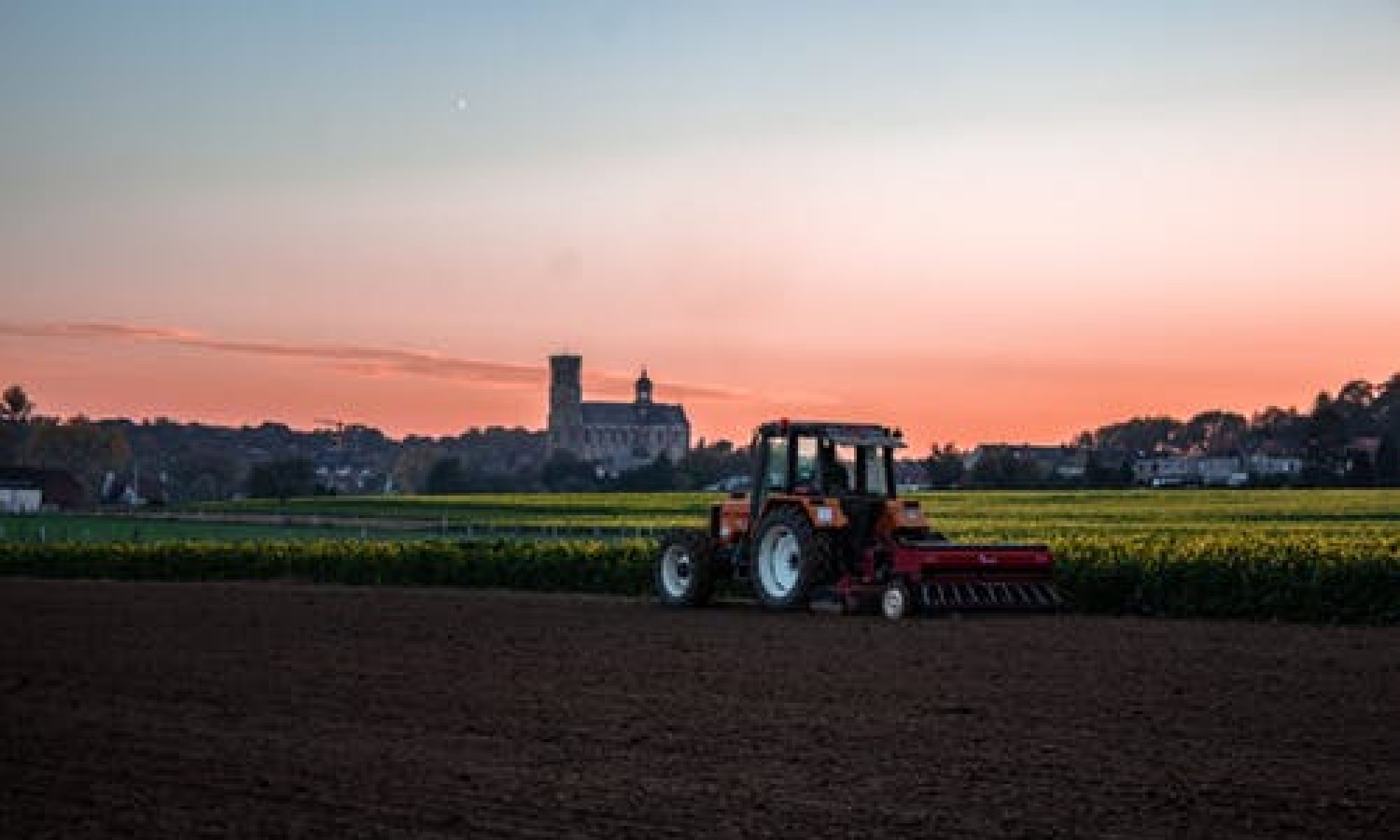

Salt Lake City may be known for its mountain views, downtown growth, winter sports, and expanding business community, but agriculture still plays an important role across the Wasatch Front and throughout Utah. From family farms and small-acreage growers to livestock operations, community farming programs, food producers, and agricultural service providers, the farming economy depends on timing, equipment, labor, transportation, and reliable access to fuel. 🚜
When a tractor stops, an irrigation pump runs dry, a delivery truck is delayed, or a generator needs diesel during a critical workday, farm operations can lose more than time. They can lose productivity, product quality, labor efficiency, and revenue. That is why more farms near Salt Lake City are paying attention to a practical solution that keeps operations moving: scheduled and emergency on-site fuel delivery.
For farms, fuel is not simply another expense. It is the energy behind planting, harvesting, hauling, refrigeration, irrigation, maintenance, and transportation. As Utah agriculture continues adapting to urban growth, land pressure, water challenges, rising operating costs, and the need for more efficient systems, fuel management has become a bigger part of farm planning. Reliable delivery helps farmers stay focused on the field instead of sending equipment, trucks, or workers away from the job site.
Salt Lake City Agriculture Still Matters in a Growing Region
Salt Lake City continues to expand as a major economic and population center, but agriculture remains tied to the region’s identity, food supply, and land use conversation. The broader Salt Lake area is connected to community farms, small producers, urban agriculture, farmers markets, food access programs, and rural operations that serve city residents. The city’s location as a transportation and commercial hub has long shaped its economy, and its connection to surrounding agricultural communities remains important as local food demand grows.
According to Wikipedia’s overview of Salt Lake City, the city has historically functioned as the “Crossroads of the West,” with transportation, trade, government, and regional commerce all playing major roles. That matters for agriculture because farms around Salt Lake City rely on many of those same networks. Roads, trucking, equipment service, supply chains, distribution centers, and local markets all influence whether food and farm products move efficiently.
Agriculture around Salt Lake City also includes more than large rural fields. The local food movement has increased interest in gardens, urban farms, food equity, farmers markets, small acreage production, and community-based growing. Salt Lake City’s sustainability department has highlighted community food projects and microgrant programs designed to improve access to fresh, healthy, affordable, and culturally relevant food. That kind of local investment shows that farming and food production are not just rural issues. They are city issues, economic issues, and community resilience issues.
For farm owners and operators, this means the pressure to stay productive is real. Local farms must manage tight seasonal windows, changing weather, labor shortages, equipment needs, and delivery deadlines. Fuel delays can quickly turn into missed opportunities.
Why Fuel Access Is So Critical During Planting and Harvest
Planting and harvest seasons leave very little room for downtime. Farmers often work long days during narrow windows when soil conditions, weather, crop maturity, and labor availability line up. If diesel equipment, tractors, skid steers, trucks, refrigeration units, irrigation systems, or backup generators are not ready, the entire schedule can fall behind.
That is where On-Site Fuel Delivery Salt Lake City becomes a practical advantage for farms that cannot afford unnecessary trips away from the property. Instead of sending workers to refuel off-site, waiting in line, transporting fuel in small quantities, or risking a shortage at the worst possible moment, farms can have fuel delivered directly to their tanks, equipment, or fleet.
This creates a more efficient workflow. Crews can start earlier. Equipment can stay in the field. Trucks can remain available for hauling. Managers can plan fuel usage around the actual operating schedule instead of reacting when tanks are already low. For farms working against weather, market deadlines, or crop conditions, that difference matters.
A delay of a few hours may not sound dramatic from the outside, but agriculture does not always operate on a flexible clock. Hay needs to be cut and baled under the right conditions. Produce needs to be harvested and cooled quickly. Livestock feed needs to be moved. Irrigation systems need to run when water is available. Delivery trucks need to leave when buyers expect them. Reliable fuel delivery supports all of those moving parts.
On-Site Fuel Delivery Helps Reduce Equipment Downtime
Farm equipment is expensive, and idle equipment is even more costly. Tractors, combines, loaders, delivery trucks, utility vehicles, generators, and pumps are purchased to work, not sit still because someone had to make another fuel run.
On-site fueling helps farms reduce unproductive downtime by keeping fuel where the work is happening. Instead of coordinating multiple trips to fuel stations, farms can build fuel delivery into their weekly or seasonal operating plan. This is especially helpful for operations with multiple machines running at once or properties spread across different locations.
Downtime also affects labor. Farm workers are most valuable when they are planting, harvesting, maintaining equipment, loading products, tending livestock, or managing field tasks. When employees spend time driving off-site for fuel, that labor is no longer being used for production. Over a season, those lost hours add up.
A well-planned fuel delivery schedule can also help farm managers track usage more clearly. Knowing how much diesel, gasoline, or other fuel is being consumed across equipment and vehicles can improve budgeting and planning. It can also make it easier to identify inefficient machines, unusual consumption patterns, or seasonal cost changes.
Local Farms Are Operating in a More Complex Agricultural Economy
Utah agriculture is facing a changing environment. Farms must deal with growth pressure, rising input costs, water concerns, changing consumer expectations, and supply chain demands. The Utah Department of Agriculture and Food oversees a wide range of agriculture-related services, including conservation initiatives, plant and pest programs, consumer protection, food inspections, grants, marketing, and economic development. That broad scope reflects how complex modern agriculture has become.
Farmers are no longer simply growing crops or raising livestock. They are managing compliance, land use questions, delivery logistics, labor planning, customer expectations, equipment costs, water availability, and increasingly tight margins. In that environment, anything that improves efficiency can make a meaningful difference.
The USDA National Agricultural Statistics Service tracks Utah agriculture data, including major crops such as hay, alfalfa, wheat, corn, and other agricultural products. These numbers show that farming remains a significant part of Utah’s economy even as urban development continues reshaping land use across the state.
For Salt Lake City-area farms, the message is clear. Efficiency is not optional. Farmers need systems that help them save time, reduce waste, protect equipment, and keep operations moving during high-demand periods. On-site fuel delivery fits into that larger need because it solves a daily operational problem in a direct way.
Fuel Delivery Supports Small Farms, Urban Farms, and Community Agriculture
Salt Lake City’s farming landscape is not limited to large commercial operations. Small farms, community gardens, urban farms, food access projects, and educational growing spaces all contribute to the local food system. The USU Extension Small Farm Program provides research-based education and programming for small-acreage farms and food developers in Utah, showing how important smaller producers are to the state’s agricultural future.
Smaller farms often operate with lean teams and limited equipment. That can make time even more valuable. A larger operation may have dedicated staff for logistics and maintenance, but a small farmer may be handling production, sales, repairs, deliveries, customer service, and bookkeeping in the same week. Fuel trips may seem minor, but they can interrupt the entire day.
Community farming programs also show how food production is becoming part of urban life. Salt Lake County Parks and Recreation highlights community farming options, including garden plots, food-growing opportunities, and programs connected to food security. These efforts reflect a growing awareness that local food production strengthens communities.
For smaller operations, on-site fuel delivery may help reduce stress by creating consistency. Instead of reacting to fuel needs one emergency at a time, farm owners can schedule deliveries, maintain better records, and avoid preventable interruptions.
Salt Lake City Farms Need Reliable Fuel for More Than Tractors
When many people think about farm fuel, they picture tractors in a field. Tractors are important, but they are only one part of the fuel picture. Modern farms may depend on fuel for delivery vehicles, refrigerated trucks, irrigation pumps, generators, forklifts, skid steers, mowers, tillers, sprayers, utility vehicles, and backup power systems.
During harvest, fuel may support washing, sorting, cooling, packing, and transporting products. During hot weather, refrigeration and backup power become especially important. During storm events or outages, generators may protect perishable inventory, livestock systems, or irrigation operations. During busy delivery weeks, trucks need to be ready without delays.
The Utah Farm Bureau works to connect Utah families with agriculture and supports the broader farming community. That kind of statewide agricultural advocacy matters because farm operations are deeply connected to transportation, energy, infrastructure, water, and economic policy.
Fuel delivery is part of that infrastructure conversation. A farm can have strong soil, skilled workers, and good equipment, but if fuel is not available when needed, productivity still suffers. Keeping fuel on-site is one way farms can protect themselves against unnecessary interruptions.
Reducing Off-Site Fuel Runs Can Improve Safety and Planning
Transporting fuel in small containers or making frequent fuel station runs can create unnecessary risk and inefficiency. Farms already manage heavy equipment, changing ground conditions, long workdays, and tight schedules. Reducing extra trips helps simplify the work environment.
Professional fuel delivery can also support better storage practices when paired with appropriate tanks, scheduling, and usage tracking. Farms can plan fuel needs around seasonal demand instead of relying on guesswork. This helps avoid both shortages and over-purchasing.
Better planning can also help with budgeting. Fuel prices can fluctuate, and farms need to understand operating costs as clearly as possible. Scheduled delivery and usage tracking can provide better visibility into how much fuel is being used, when demand spikes, and which operations consume the most.
That information can be valuable when making decisions about equipment upgrades, delivery routes, staffing, irrigation timing, or harvest planning.
Water, Weather, and Land Pressure Make Efficiency More Important
Utah agriculture is closely tied to water, and the Salt Lake City region is deeply connected to the future of the Great Salt Lake. Farming, water use, conservation, and land preservation are all part of ongoing public discussion. The Great Salt Lake Watershed Enhancement Trust has highlighted efforts connected to preserving farmland and water while supporting the lake’s future.
For farms, these pressures make operational efficiency even more important. When water timing is limited, weather windows are narrow, and development pressure continues, farms cannot afford avoidable delays. Fuel delivery will not solve every challenge facing agriculture, but it can remove one common source of lost time.
Every hour saved matters. Every unnecessary trip avoided matters. Every piece of equipment that starts on time matters. In agriculture, small operational improvements can make a major difference across an entire season.
On-Site Fuel Delivery Helps Farms Stay Focused on Production
The biggest advantage of on-site fuel delivery is simple. It lets farmers farm.
Farm owners and managers already have enough to handle. They need to monitor crops, maintain equipment, manage crews, communicate with buyers, track expenses, watch the weather, care for animals, maintain irrigation, and keep up with regulations. Fuel should not become another daily disruption.
When fuel is delivered directly to the farm, operations become smoother. Equipment can be filled before the workday begins. Delivery trucks can stay ready. Emergency reserves can be maintained. Managers can reduce last-minute scrambling. Workers can spend more time on productive tasks.
That is especially valuable during harvest, when timing can influence crop quality and revenue. A farm that runs out of fuel at the wrong time may lose more than a few hours. It may miss a delivery window, delay a harvest crew, lose product freshness, or create a chain reaction of setbacks.
The Future of Farming Around Salt Lake City Requires Smarter Logistics
Salt Lake City’s agriculture and food system will continue evolving. Urban farming, farmers markets, food equity programs, small farms, local producers, and traditional agriculture all have a role to play. As the region grows, farms will need smarter logistics to remain competitive and resilient.
On-site fuel delivery is one of those logistics upgrades. It is not flashy, but it is practical. It supports uptime, planning, safety, productivity, and cost awareness. It helps farms avoid unnecessary delays and keeps essential equipment running when it matters most.
The farms that thrive in the future will likely be the ones that treat logistics as seriously as production. That includes fuel management, maintenance schedules, delivery planning, storage, labor efficiency, and emergency readiness.
Conclusion
Salt Lake City farms are turning to on-site fuel delivery because agriculture depends on timing, movement, and reliability. When equipment stops, the work stops. When fuel is late, harvest schedules suffer. When workers leave the property for repeated fuel runs, productivity drops. For farms already navigating water concerns, urban growth, rising costs, and changing market demands, fuel access cannot be an afterthought. 🌾
On-site fuel delivery gives farms a more dependable way to keep tractors, trucks, pumps, generators, and support equipment operating through the busiest parts of the season. It helps reduce downtime, protect labor hours, improve planning, and keep harvests moving.
As Salt Lake City’s local food system grows and Utah agriculture continues adapting to new challenges, practical solutions like on-site fuel delivery will become even more valuable. Farming will always require hard work, but the right support systems can make that work more efficient, more predictable, and more profitable.