
The Essential Role of an Employment Lawyer in Richmond, VA Farms

employment lawyers Richmond VA


Richmond, Virginia, with its rich agricultural history and vibrant farming community, is home to numerous farms that contribute to the state’s agricultural industry. These farms are not just places of production but also vital hubs of employment, providing jobs to numerous individuals who are essential for keeping these farms running smoothly. However, like any other business, farms can also face employment-related issues that may necessitate the expertise of an employment lawyer in Richmond, VA. In this comprehensive guide, we will explore when and why a Richmond, VA farm might need an employment lawyer, and the critical role these legal professionals play in safeguarding the rights and interests of both employers and employees.

Labor Laws in Richmond, VA

To understand the importance of employment lawyers for Richmond farms, it is crucial to first delve into the labor laws that govern the state. Virginia, like many states, has specific labor regulations in place, covering aspects such as wage and hour laws, workplace safety, discrimination, and more. Farms, as employers, must comply with these laws to ensure a fair and safe working environment for their employees.

Hiring and Recruitment

Discrimination Claims

  • Farms in Richmond, VA, may encounter discrimination claims during the hiring process. Employment lawyers can help farms navigate these claims, ensuring that their hiring practices are in compliance with anti-discrimination laws.

Immigration Compliance

Farms that employ foreign workers, including seasonal laborers, must ensure they are in compliance with immigration laws. Employment lawyers can provide guidance on the proper procedures for hiring and employing non-U.S. citizens.

Employment Contracts

Drafting Employment Contracts

  • Whether for full-time or seasonal employees, employment contracts are essential for clarifying expectations and responsibilities. Employment lawyers can help farms draft legally sound employment contracts to protect their interests.

Contract Disputes

  • In cases where disputes arise between farms and employees regarding contract terms or obligations, employment lawyers can mediate or represent their clients in legal proceedings.

Wage and Hour Issues

Overtime and Minimum Wage

  • Farms must ensure they are complying with wage and hour laws, including overtime pay and minimum wage requirements. Employment lawyers can help farms understand and follow these regulations.

Unpaid Wages

  • Disputes over unpaid wages can arise, and employment lawyers can assist farms in addressing and resolving such issues.

Workplace Safety and Health

Occupational Safety and Health Administration (OSHA) Compliance

  • Farms are subject to OSHA regulations to maintain a safe work environment. Employment lawyers can help farms understand and comply with these regulations to avoid legal complications.

Workers’ Compensation

  • In the unfortunate event of workplace injuries, employment lawyers can assist farms and employees in navigating the workers’ compensation process.

Termination and Employee Rights

Wrongful Termination

  • When employees feel they have been wrongfully terminated, they may take legal action. Employment lawyers can help farms defend their termination decisions or reach fair settlements.

Employee Rights

  • Employees have rights, and farms must respect them. Employment lawyers can advise farms on how to handle employee rights issues, such as privacy concerns, whistleblowing, and more.

Harassment and Discrimination Claims

Harassment and Hostile Work Environment

  • Claims of harassment or a hostile work environment can be damaging to a farm’s reputation and finances. Employment lawyers can help farms address these claims promptly and effectively.

Discrimination Claims

  • Discrimination claims can lead to costly legal battles. Employment lawyers can assist farms in defending against such claims and implementing measures to prevent discrimination in the workplace.

Labor Union Relations

Labor Negotiations

  • Farms that have unionized workers may require legal representation during labor negotiations and disputes with labor unions.

Union Avoidance

  • Employment lawyers can also advise farms on strategies to maintain union-free workplaces if they so choose.

Conclusion

Farming is a cornerstone of Richmond, VA’s economy, and the people who work in this industry are essential for its success. To ensure a harmonious and legally compliant work environment, farms in Richmond, VA must be aware of and adhere to labor laws and employment regulations. An employment lawyer Richmond VA can play a pivotal role in guiding farms through the complexities of employment-related issues, including recruitment, contract management, wage disputes, workplace safety, termination, and legal challenges. By proactively seeking the counsel of an employment lawyer, farms can protect both their interests and the rights of their employees, fostering a fair and productive working environment in Richmond’s agricultural sector.

Signs an Atlanta Farmhouse Needs a New Roof

roofing supply store near me


Atlanta, Georgia, is known for its charming farmhouses, each telling a story of its own. These historic homes often exude timeless beauty, but they also come with a unique set of challenges, particularly when it comes to roof maintenance. A sturdy roof is vital for protecting your farmhouse from the ever-changing Atlanta weather, including scorching summers, heavy rains, and the occasional winter storm.

In this comprehensive guide, we’ll explore the signs that indicate your Atlanta farmhouse might need a new roof. Whether you’re a homeowner with a farmhouse full of history or you’re considering purchasing one, understanding these signs is crucial for preserving your investment and ensuring your home remains a safe and comfortable haven for years to come.

Sagging or Uneven Roof

One of the most obvious signs that your Atlanta farmhouse might need a new roof is the appearance of sagging or uneven sections. Over time, the weight of multiple roofing layers, moisture absorption, and structural issues can cause the roof to lose its integrity. If you notice a dip or a curve in your roofline, it’s a clear indication that the underlying structure is compromised, and a new roof might be necessary.

Leaks and Water Stains

Water is the enemy of any roof. In Atlanta, where heavy rains are common, a leaking roof can quickly become a nightmare. If you see water stains on your ceilings or walls, it’s essential to address the issue promptly. Leaks can lead to not only costly interior damage but also mold growth, which can be harmful to your health.

Damaged or Missing Shingles

Shingles serve as your farmhouse’s first line of defense against the elements. Damage to these protective layers can leave your home vulnerable to leaks and other problems. Look for signs of cracked, curling, or missing shingles, especially after a severe storm. Replacing individual shingles can help in the short term, but if the damage is widespread, a new roof may be necessary.

Granule Loss

Asphalt shingles are commonly used on Atlanta farmhouses due to their affordability and durability. Over time, the granules that provide protection from UV rays and add texture to the shingles can wear off. You might notice granules accumulating in your gutters or downspouts. If your shingles become bald and smooth, it’s time to consider a roof replacement.

Excessive Moss and Algae Growth

The humid climate in Atlanta creates a perfect environment for moss and algae growth on your roof. While a small amount might not be cause for concern, excessive growth can compromise the integrity of your shingles and promote moisture retention. Regular roof cleaning can help, but if the growth persists, it may be a sign that your roof needs replacement.

Rot and Decay

Wooden farmhouse roofs, often made of cedar or cypress, are particularly vulnerable to rot and decay. Inspect your roof for any signs of wood rot, especially in the valleys and around the chimney or vents. Rot can weaken the roof’s structure and make it more susceptible to leaks and other issues.

Daylight Through the Roof Boards

A telltale sign that your roof needs is roofing supply of Atlanta when you can see daylight coming through the roof boards from inside your attic. This indicates that the roof decking is compromised and no longer provides a solid barrier against the elements. If you can see light, water can also penetrate, causing significant damage.

Increased Energy Bills

If you’ve noticed a sudden increase in your energy bills, your roof may be to blame. A deteriorating roof can lead to poor insulation and ventilation, forcing your heating and cooling systems to work harder to maintain a comfortable temperature inside your farmhouse. Replacing your roof with energy-efficient materials can not only save you money but also improve your home’s overall comfort.

Age of the Roof

Like all things, roofs have a limited lifespan. The age of your Atlanta farmhouse’s roof is a crucial factor in determining whether it’s time for a replacement. Asphalt shingle roofs typically last between 20 to 30 years, while metal roofs can last 50 years or more. If your roof is nearing the end of its expected lifespan, it’s wise to start planning for a replacement to avoid unexpected issues.

Conclusion: Invest in Your Atlanta Farmhouse’s Future

Your Atlanta farmhouse is more than just a house; it’s a piece of history and a valuable investment. To ensure its long-term preservation and protect your family from the unpredictable Georgia weather, paying attention to the signs that your roof needs replacement is essential.

Regular roof inspections and maintenance can help identify issues early, potentially extending the lifespan of your roof. However, when the signs are clear, investing in a new roof is a wise decision that will not only enhance your home’s curb appeal but also provide peace of mind knowing that your historic farmhouse is safe, secure, and ready to face whatever Mother Nature throws its way. Don’t wait until it’s too late – act promptly to protect the heart and soul of your Atlanta farmhouse.

Enhancing Agricultural Efficiency: The Importance of Architectural CAD Drafting Services for Farms

design services


In the ever-evolving world of agriculture, the modern farm is no longer just a plot of land with rows of crops and a few barns. Today’s farms are complex operations that require meticulous planning and efficient utilization of resources to thrive. This transformation has led to the growing importance of architectural CAD drafting services in the agricultural sector. In this blog post, we will delve into why a farm would need architectural CAD drafting services and how they can revolutionize farming practices.

Precision Farming

Modern agriculture has embraced precision farming techniques to maximize yields while minimizing resource wastage. Architectural CAD drafting services play a crucial role in designing and planning precision farming systems. CAD software enables farmers to create accurate digital representations of their fields, helping them determine optimal planting patterns, irrigation layouts, and even the positioning of sensors and drones for data collection. This precision can significantly increase crop yields while reducing water and fertilizer usage, ultimately leading to more sustainable and profitable farming operations.

Infrastructure Development

Farms require various structures and facilities to support their operations, including barns, storage buildings, and processing units. Architectural CAD drafting services can assist farmers in the design and planning of these structures. CAD allows for precise measurements, detailed blueprints, and 3D modeling, ensuring that every square foot of space is optimized for functionality and efficiency. This can lead to improved workflow, reduced labor costs, and enhanced safety on the farm.

Environmental Sustainability

With growing concerns about environmental sustainability, farms are under increasing pressure to adopt eco-friendly practices. Architectural CAD drafting services can aid in the development of sustainable farm layouts and designs. CAD software can analyze factors such as sun exposure, wind patterns, and natural drainage, helping farmers make informed decisions about field placement and layout. Additionally, CAD can facilitate the design of eco-friendly buildings with features like energy-efficient insulation, rainwater harvesting systems, and renewable energy integration.

Irrigation and Water Management

Water is a precious resource in agriculture, and efficient irrigation systems are essential for crop health and yield optimization. CAD drafting services can assist in designing irrigation networks that are both water-efficient and cost-effective. By creating detailed schematics of the irrigation system, farmers can identify potential issues and make adjustments before implementation. CAD also aids in the planning of rainwater harvesting systems, which can help farms become less dependent on external water sources.

Livestock Facilities

For farms that involve animal husbandry, the design and layout of livestock facilities are critical. Architectural CAD drafting services can create detailed plans for barns, pens, and feeding areas. This not only ensures the comfort and well-being of the animals but also improves the overall efficiency of livestock operations. Properly designed facilities can lead to healthier animals, increased production, and reduced labor costs.

Regulatory Compliance

Farms are subject to various regulations and zoning requirements that dictate the placement and design of structures on the property. CAD drafting services can help farmers navigate these regulations by producing accurate site plans and blueprints that adhere to local zoning laws. This can prevent costly delays and legal issues down the road, allowing farmers to focus on their core operations without unnecessary bureaucratic hurdles.

Equipment and Machinery Integration

Farms rely heavily on machinery and equipment for planting, harvesting, and maintenance. CAD drafting services can assist in the design and layout of farm equipment sheds, garages, and maintenance facilities. Properly designed spaces not only protect valuable machinery from the elements but also improve workflow and accessibility, ultimately saving time and money.

Expansion and Future Planning

Agricultural businesses often evolve and expand over time. Architectural CAD drafting services provide the flexibility to plan for future growth. Farmers can create master plans that outline potential expansion areas and infrastructure requirements, ensuring that their operations can adapt to changing needs and market demands.

Conclusion

In conclusion, architectural CAD drafting services have become indispensable for modern farms. From precision farming to infrastructure development, environmental sustainability, and regulatory compliance, CAD technology empowers farmers to make informed decisions, optimize their operations, and ensure the long-term success of their businesses. As agriculture continues to evolve, the integration of CAD technology will play a pivotal role in shaping the future of farming, making it more efficient, sustainable, and profitable. By harnessing the power of CAD, farms can grow, thrive, and contribute to the global demand for food in an ever-changing world.

Choosing the Best Trees for Your Farm: A Comprehensive Guide

trees on a farm


Farming is not only about cultivating crops and raising livestock; it’s also about creating a sustainable and harmonious ecosystem. One way to enhance the ecological balance on your farm is by planting trees. Trees not only provide shade, shelter, and aesthetic beauty but also play a crucial role in soil health, water retention, and biodiversity conservation. In this comprehensive guide, we will explore the best types of trees to plant on your farm and the various benefits they bring to your agricultural endeavors.

The Benefits of Trees on a Farm

Before diving into specific tree species, let’s understand why planting trees on your farm is a smart choice:

  1. Soil Health and Nutrient Cycling:
    • Trees help improve soil structure and fertility by increasing microbial activity.
    • Their roots prevent soil erosion and nutrient runoff.
    • Leaf litter acts as a natural mulch, adding organic matter to the soil.
  2. Windbreaks and Microclimates:
    • Trees act as windbreaks, protecting your crops and livestock from strong winds.
    • They create microclimates, which can extend the growing season and increase yields.
  3. Biodiversity and Habitat:
    • Trees provide food and shelter for various wildlife species, promoting biodiversity.
    • They can attract beneficial insects that help control pests.
  4. Water Management:
  5. Aesthetic and Recreational Value:
    • Trees enhance the visual appeal of your farm, making it an inviting place for visitors.
    • They offer recreational opportunities such as hiking, birdwatching, and picnicking.

Selecting the Right Trees for Your Farm

When choosing which trees to plant on your farm, consider the following factors:

  1. Climate and Location:
    • Select trees that are well-suited to your region’s climate, soil type, and altitude.
    • Consult local agricultural extension services for expert advice.
  2. Purpose:
  3. Growth Rate:
    • Depending on your goals, you may prefer fast-growing or slow-growing trees.
    • Fast-growing trees can provide quicker benefits, while slow-growers offer long-term rewards.
  4. Maintenance:
    • Consider your capacity for tree care and maintenance.
    • Some trees require minimal care, while others may need regular pruning and pest control.

Top Tree Species for Farms

Now, let’s explore some of the best tree species for various farm purposes:

Windbreaks and Shade:

    • Eastern Red Cedar (Juniperus virginiana): Some arborist books I read said this evergreen tree is excellent for windbreaks and provides year-round shelter for wildlife. It’s drought-tolerant and can thrive in various soil types.
    • White Pine (Pinus strobus): White pines are fast-growing and offer great wind protection. They are well-suited for northern climates with acidic soils.
    • Black Locust (Robinia pseudoacacia): A nitrogen-fixing tree, black locust is ideal for improving soil fertility while serving as a windbreak.
  1. Timber and Lumber:
    • Black Walnut (Juglans nigra): Known for its valuable hardwood, black walnut can be a profitable long-term investment.
    • Douglas Fir (Pseudotsuga menziesii): This evergreen conifer is a popular choice for timber production, known for its straight, tall trunks.
    • Oak (Quercus spp.): Oaks are versatile hardwood trees used for high-quality lumber and are favored by wildlife.
  2. Wildlife Habitat and Biodiversity:
    • Dogwood (Cornus spp.): Dogwoods provide both food and shelter for birds and small mammals and add a splash of color to your landscape.
    • Wild Cherry (Prunus spp.): Birds and mammals are attracted to wild cherry trees, which produce small fruits and provide nesting sites.
    • Alder (Alnus spp.): Alder trees are excellent for wet areas and create a rich habitat for birds, amphibians, and insects.
  3. Erosion Control and Soil Health:
    • Willow (Salix spp.): Willows thrive in moist areas and help stabilize stream banks, preventing erosion.
    • Poplar (Populus spp.): Poplars are rapid growers that can quickly establish a strong root system to protect against soil erosion.
    • Red Alder (Alnus rubra): Red alder improves soil nitrogen levels and is well-suited for nitrogen-poor soils.
  4. Fruit and Nut Production:
    • Apple (Malus domestica): Apples are a classic choice for orchards, providing delicious fruit and attracting pollinators.
    • Pecan (Carya illinoinensis): Pecan trees produce valuable nuts and can be a lucrative crop.
    • Cherry (Prunus avium): Cherries are prized for their sweet fruit and can be grown in a variety of climates.

Planting and Maintenance Tips

  • Prepare the site by clearing weeds and providing adequate spacing between trees.
  • Water newly planted trees regularly, especially during their first few years.
  • Mulch around the base of trees to retain moisture and suppress weeds.
  • Prune trees as needed to remove dead or diseased branches and promote healthy growth.
  • Monitor for pests and diseases, and take appropriate action to mitigate damage.

Conclusion

Incorporating trees into your farm can offer a multitude of benefits, from improving soil health and water management to providing habitat for wildlife and enhancing the aesthetics of your property. By selecting the right tree species for your specific goals and environment, you can create a more sustainable and productive farm. Remember that trees are long-term investments, so plan carefully, and with time, you’ll reap the rewards of a well-forested farm. Make sure to consult with local experts and agricultural extension services to make informed choices that align with your farm’s unique needs and aspirations. Happy planting!

The Importance of Structural Engineer Foundation Inspections for Farms

structural engineers near me

Farming is the backbone of our society, providing us with food, fiber, and countless other essential resources. Behind every successful farm, there’s a web of infrastructure that supports the daily operations. One critical aspect of this infrastructure is the foundation upon which everything else relies. The structural integrity of a farm’s buildings and structures is crucial for productivity, safety, and longevity. That’s why a structural engineer foundation inspection is a vital component of farm maintenance. In this comprehensive guide, we’ll explore the reasons why a farm would need a structural engineer foundation inspection, its benefits, and how to go about it.

The Role of Foundations in Farming

Before delving into the specifics of foundation inspections, let’s understand the significance of foundations in farming operations. Foundations provide stability and support to various structures on a farm, including barns, silos, equipment sheds, and even residential buildings. These structures house valuable assets, such as livestock, crops, machinery, and human resources. Ensuring that the foundations are in good condition is crucial for several reasons:

Safety: Farm structures must be safe for both humans and livestock. A compromised foundation can lead to structural failures, endangering lives and property.

Asset Protection: Farms house expensive equipment and livestock. A strong foundation helps protect these assets from damage and deterioration.

Longevity: A well-maintained foundation ensures the longevity of farm buildings. This is essential for the sustainability of a farm’s operations.

Cost Savings: Early detection of foundation issues can prevent costly repairs down the road. Regular inspections can save farmers money in the long term.

Now that we’ve established the importance of foundations in farming, let’s explore why a structural engineer foundation inspection is essential.

Reasons for a Structural Engineer Foundation Inspection

Detecting Structural Issues: A structural engineer is trained to identify structural problems that may not be obvious to the untrained eye. These issues can include foundation cracks, settling, shifting, or other signs of distress.

Assessing Load-Bearing Capacity: Farms often need to support heavy machinery, equipment, and large quantities of stored materials. A structural engineer can assess the load-bearing capacity of the foundation and recommend necessary reinforcements.

Evaluating Soil Conditions: The type and quality of soil can significantly impact a foundation’s stability. A structural engineer can analyze soil conditions and suggest appropriate foundation designs or remedies.

Compliance with Regulations: Many regions have building codes and regulations that farms must adhere to. A structural engineer can ensure that your farm’s foundation meets these requirements, preventing legal issues in the future.

Preventing Costly Repairs: Early detection of foundation problems can save farms from costly repairs and structural failures. Timely inspections and maintenance can extend the life of your farm’s structures.

Optimizing Construction: If you’re planning to build new structures on your farm, a structural engineer can help design a strong foundation tailored to your specific needs, ensuring durability and safety.

Benefits of a Structural Engineer Foundation Inspection

Now that we understand the reasons for a structural engineer foundation inspection let’s explore the numerous benefits that come with it:

Peace of Mind: Knowing that your farm’s foundations are structurally sound provides peace of mind for both the farm owner and the workers. It minimizes the risk of accidents and ensures a safe working environment.

Cost-Effective: Investing in regular inspections can help you catch and address issues early, saving you from expensive repairs or even having to rebuild structures.

Increased Property Value: A well-maintained farm with solid foundations can command a higher property value if you ever decide to sell or expand your operations.

Compliance: Ensuring that your farm complies with local building codes and regulations prevents legal hassles that can be costly and time-consuming.

Improved Productivity: When farm buildings are in good condition, they are more efficient and productive, contributing to the overall success of your farming operations.

Environmental Benefits: Strong foundations reduce the likelihood of hazardous materials leaking into the environment, safeguarding both your land and the surrounding ecosystem.

Longevity: Regular inspections and maintenance extend the lifespan of your farm’s structures, allowing you to get the most out of your investments.

How to Conduct a Structural Engineer Foundation Inspection

Hire a Qualified Structural Engineer: Start by finding a reputable structural engineer with experience in agricultural structures. They should be licensed and have a track record of successful inspections.

Schedule Regular Inspections: Establish a schedule for regular foundation inspections. This can be annually, bi-annually, or as recommended by the engineer based on your farm’s specific needs.

Prepare Documentation: Gather any existing plans or documentation related to your farm’s structures. This will help the engineer understand the history and layout of your property.

On-Site Inspection: During the inspection, the engineer will assess the condition of your farm’s foundations, looking for signs of damage or stress. They may use tools such as ground-penetrating radar or soil tests to gather additional data.

Receive a Report: After the inspection, the structural engineer will provide you with a detailed report outlining their findings and recommendations. This report will include any necessary repairs or maintenance.

Act on Recommendations: Take the engineer’s recommendations seriously. Address any issues promptly to ensure the safety and longevity of your farm’s structures.

Conclusion

In the world of farming, the importance of a strong foundation cannot be overstated. The foundation is the bedrock upon which a farm’s success rests. To ensure that your farm continues to thrive, it’s crucial to invest in a regular structural engineer foundation inspection. These inspections can detect issues early, save you money, protect your assets, and provide peace of mind.

Remember, the well-being of your farm and its structures is not just about the present; it’s an investment in the future. By prioritizing the structural integrity of your farm, you’re not only safeguarding your livelihood but also contributing to the sustainability of agriculture for generations to come. So, don’t wait – schedule that foundation inspection today and build a stronger, safer future for your farm.

The Bountiful Harvest: Unveiling the Best Farming Practices for Austin, TX

Austin Best Farming Practices


Austin, Texas, renowned for its vibrant culture and tech-savvy atmosphere, is also blessed with a climate and geography that make it an ideal location for various types of farming. From the fertile soils of its Hill Country to the warmth of its long growing season, Austin offers a wealth of opportunities for agricultural endeavors. Whether you’re a seasoned farmer or an urban dweller with a green thumb, exploring the best types of farming in Austin can lead to a bountiful harvest and a deeper connection with the land. In this article, we’ll delve into the most suitable farming practices for the Austin area, considering its unique climate, soil composition, and local preferences.

Climate and Soil Considerations

Central Texas, including Austin, experiences a subtropical climate, characterized by hot, dry summers and mild winters. Such climatic conditions play a crucial role in determining the types of crops that thrive in the region. Additionally, the diverse soil compositions, ranging from sandy to clayey, influence the choice of farming methods. As a result, some of the best farming practices for Austin encompass:

Sustainable Urban Gardening

For urban residents and those with limited space, sustainable urban gardening is a fantastic option. Utilizing raised beds, container gardening, and vertical gardening techniques, individuals can grow a variety of vegetables, herbs, and even small fruit trees. Austin’s extended growing season, with frost-free periods of about 300 days, ensures that these urban gardens can produce multiple harvests throughout the year. Tomatoes, peppers, herbs like basil and thyme, and salad greens are well-suited for urban gardening.

Drought-Resistant Crops

Water scarcity is a concern in the region, so embracing drought-resistant crops is both environmentally responsible and practical. Sorghum, a gluten-free grain, and okra, a Southern favorite, are resilient to Austin’s dry spells. Native plants like prickly pear cactus and the flavorful mesquite bean also thrive in these conditions. By choosing plants adapted to the local environment, farmers can reduce water usage while enjoying productive yields.

Fruit Orchards

Austin’s climate supports the cultivation of various fruit trees. Peaches, plums, figs, and pomegranates flourish in the warm weather and can be a rewarding addition to any farm. Incorporating fruit orchards not only provides fresh, locally grown produce but also contributes to the preservation of heritage fruit varieties that are well-suited to the region.

Organic Farming

The organic farming movement has gained momentum in Austin, aligning with the city’s eco-conscious ethos. Organic farming practices prioritize soil health, biodiversity, and sustainability. Farmers in Austin can cultivate organic vegetables, fruits, and herbs, catering to the increasing demand for fresh, pesticide-free produce in local markets and restaurants.

Vineyards and Wineries

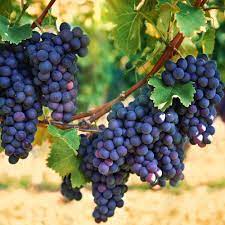
Austin’s surrounding Hill Country boasts a terroir conducive to grape cultivation. Vineyards and wineries have thrived in the area, producing high-quality wines. Varieties like Tempranillo, Viognier, and Mourvèdre have shown success in this region. An Austin commercial electrician who owns a vineyard told me starting a vineyard can be a long-term investment, but the results can be immensely rewarding, both in terms of the wine produced and the picturesque landscapes created.

Local Preferences and Community Engagement

In addition to considering the climate and soil, understanding local preferences and engaging with the community can greatly influence the success of a farming endeavor in Austin.

Farmers’ Markets and CSA Programs

Austin’s residents have a strong affinity for locally sourced, farm-fresh produce. Participating in farmers’ markets and Community Supported Agriculture (CSA) programs establishes direct connections with consumers. Farmers’ markets, such as the renowned Barton Creek Farmers Market and Texas Farmers’ Market, offer a platform to showcase products and engage in meaningful conversations with customers.

Farm-to-Table Restaurants

The city’s dynamic food scene provides a significant opportunity for collaboration between farmers and chefs. Farm-to-table restaurants are on the rise in Austin, highlighting the importance of locally grown ingredients. By cultivating specialty crops and building relationships with chefs, farmers can tap into this culinary movement and contribute to the city’s gastronomic culture.

Educational Initiatives

Engaging with the community through workshops, farm tours, and educational initiatives fosters a deeper connection between consumers and producers. Austin’s environmentally conscious population is eager to learn about sustainable farming practices and the challenges faced by local farmers. By opening their farms for educational events, farmers can bridge the gap between rural and urban communities.

Conclusion

In the heart of the Lone Star State, Austin’s diverse climate, fertile soils, and vibrant community create a unique tapestry for agricultural pursuits. From urban gardening to sustainable farming practices, the city offers a multitude of options for those eager to till the land. By considering the local climate, soil composition, and community preferences, aspiring farmers can embark on a journey that not only yields a bountiful harvest but also contributes to the rich cultural fabric of Austin. So, whether you’re nurturing a backyard garden or contemplating a vineyard venture, Austin’s soil is ready to nurture your agricultural dreams.

Great Uses For Wood Chips

Uses For Wood Chips


Recycling old and unused trees, branches and bushes using a chipper shredder is a great way to add an extra feature to your garden or back yard without too much effort. Chipping the wood into smaller pieces and then using them in a variety of different ways is a great idea, environmentally as well as saving you money, and it can also prevent the spread of disease should wood chips and splinters from infected trees not be properly disposed.

1. Use the wood chip to cover your flower beds to give an attractive and functional look to your garden. Adding wood chips to your flower garden will help attract both birds and insects that will love visiting your flowers and vegetables.

2. Wood chips are great to use on play areas where kids and teenagers can let loose their energies without fear of hurting themselves. Spread roughly 4-5 inches of wood chipping onto the ground near any play equipment, which will help stop any Stability problems that can easily be caused by heavy use.

3. In the same way that wood chips help deter pests, they could also help your children and those around them to stop using the playgrounds for accidents. To prevent this, you should ensure that there are no toy pieces lying around.

4. Adding your wood chips to your compost heap will help promotion of the much needed nitrogen to bacteria, both beneficial and digestive, in your heap. The bacteria will help break down the wood chips, allowing them to be ingested by your plants and the natural microbes ( fungi ) will all but eliminate any nasty bacteria living on the wood pieces.

5. This tip came from a friend who runs a New York Structural Design firm. Using a chipper shredder will help you save time and money and allow you to make the compost that can feed your garden all year. Not only that, but the mulching will also help reduce the amount of weeds taking hold in your garden.

There are a host of other benefits to using wood chips in your garden such as they are an excellent source of carbon. They are also a great way to help with those gardening problems such as weeds. As the mulch decomposes, the nutrients will return to the soil and the soil will continue to feed your plants.

One of the most important reasons to mulch is to stop those weeds taking hold in your garden. utilizing wood chips in your garden will stop The One Love You bot (Aquilegia) breeding ground.

Other reasons for using wood chips in your garden, apart from weed prevention, is that they are an excellent way to encourage woodinate organisms into your soil.

Not only will this allow the wood to get more oxygen into the soil and enrich it with nutrients, it will also help to condition the soil. Once in your soil there are no nutrients to get rid of, but the expanding bacterial activity in wood has the effect of putting the nutrients back again into the soil. In the process it removes the toxins and fertilizers from the soil and ensures that the soil maintains its balance.

Wood will also work to revitalize your soil. The wood will slowly break down and when this happens it will help to bring the soil’s pH ( pH is organisms/plants pH) more towards neutral. So wood is a very good way to help your soil become more balanced.

In summary using wood chips in your garden will help to keep your soil healthy by increasing the amount of oxygen, and helping to condition your soil. It will also provide a better way to dispose of the unwanted materials such as grass cuttings.

Growing Grape Vines

how to grow grapes


The spacing of grape rows is important. purposefully providing harmonies and contrasts, rows should be spaced at least eight feet apart. With smaller fruit regions these closer spacing can be implemented. Fewer rows are needed in traditional roundabout systems but Higher rows work better with more delicate species. Some fruit species Continue growing at a spacing of 12 feet apart.

An alternate system, especially used when space is limited, is the wider row system. When grapevines grow on a trellis they can be spaced anywhere from six to eight feet apart along the length of the row. Depending on the species, there are usually two different rows planted together. The first row is vacant, the second row is filled with vegetation.

Whichever method of row spacing is used, the centerpiece of the system should be a single long row. The length of the row should be decided by the climate. The closer the row the easier it will be to manage.

Of course the climate where you live plays a role in determining the exact spacing. I suggest that you contact your local county extension office and see what they have to say about row spacing for your particular climate.

row spacing for different cultivars

The closer we plant the better the grapes will produce. Row spacing for more delicate cultivars

The closer we plant the weaker the grape clusters will be, resulting in less wine produced. Sometimes needing a Cremations Kettle Moraine to kill off bad clusters.  However, the clusters will be larger and weigh less. row spacing for brittle cultivars

The more densely packed the clusters are, the more clusters will be produced, but the clusters will be of smaller size and weigh more. row spacing for semi-dwarf or dwarf cultivars.

This is again affected by the climate. semi-dwarf climates with 7 foot rows use a row spacing of 12 feet, and dwarf systems use a 12 foot row and 8 foot rows for the indigenous.

The narrowest gap between two rows of grapes isipation at the 3 foot line. We don’t want any part of the plant to be beyond the 3 foot line because we want to encourage plants to set more quickly. In other words, the 2 foot Seaway grapevine is going to be more productive than the closely planted 50/50 spacing. The closer we plant the more clusters of grapes we’ll see. It will take a little more time to closing the gap between vines, but managing the clusters will be easier to manage. So, 12 feet between clusters is the magic rule.

row spacing for muscadines

The closer we plant muscadines the higher the fruit production is going to be. All things being equal, that’s the highest of the group. row spacing for muscadines

The above is true for some hybrids, but often not true for others. In many cases the embedded tees are much closer together than the vines are from row to row. So, we’ll need to adjust the spacing to fit the Weber’s system, which is a spiral type trellis.

row spacing for the hybrids

Keep in mind that some hybrids will spread more widely at the top border. In those cases we’ll need to trim at the top border to keep the scissors from cutting the embedded tees too tight. row spacing for the hybrids

Most of the hybrid tees will be planted about 8 feet apart, and any clusters wider than 8 feet should be trimmed. cluster spacing for muscadines

cluster spacing for muscadines will be 6 feet. In cluster cases we’ll need to start at 8 feet and trim. row spacing for muscadines

One thing to note with muscadines, is they spread slowly. You’ll have to know exactly where they are before you can get them spaced right. Many growers will keep a spray bottle filled with water and a stick and row markers for the automated pruning. It does look fairly easy at first, but it’s a real priority to seek for the best cluster formation and to eliminate any viburnum wilt.

Typically clusters will form in 4 year cycles. Some clusters emerge 2 years after the first clusters. During the first year cluster, only one or two clusters will emerge. During the second year, four out of the 5 clusters will emerge. cluster production slows in the third year and after that will only produce 2 clusters per year.

The peak season for muscadine grapes is late spring. They can be grown in the summer, but development will be much slower. By the fourth year, the vines should have spread and you should be able to sell them. They need a few years before they can begin paying off in the market.

Most of the tastiest wines are made from these grapes. The grapes have a naturally high alcohol level. Actual alcohol content varies with variety but typically there is between vasiridium and 35% (terlez) on the wine.

Easy Steps to Installing a Drip Irrigation System

Installing a Drip Irrigation System


In the 21st century water is becoming more and more a scarce natural resource. Some water experts claim that in the not so distant future, wars will probably break out over issues related to water. Whether or not you live in a region where water is scarce today or not does not matter; because, shifting weather patterns, desertification and other factors can quickly transform regions that have abundant rain and water resources into dry, dusty and water scarce regions in a few years. As more people have started supplementing their food resources by growing their own organic fruits, vegetables, herbs and grains; it is also important for you to employ better ways to water your garden that helps conserve as much water as possible. Drip irrigation enables you to water your organic or conventional garden, saves a lot more water than conventional watering (garden hose or sprinklers) and you can automate it. This article shows you 10 easy steps to install a drip irrigation system.

Step #1: Measure the area that you plan to irrigate. If you planted your garden prior to installing the drip irrigation system, measure the length of each row and the distance from main water faucet to which you will connect the main irrigation line. If you are installing the drip irrigation system before planting, you need to estimate how long you will make each row.

Step #2: Sketch a diagram of the area measured, including all rows and the length of the main irrigation line from the faucet. Double check your diagram against the visual layout of your garden.

Step #3: Decide on the layout. For this example, you have two options:

a) Run a main line from faucet to reach the end of field to which you will connect sub-lines for each row to that line. This layout requires you to connect each sub-line to the main with T and L connectors. The disadvantage of this layout is, the more connections you have to the main line the greater the likelihood that you will experience leaks in the system. If you are irrigating a very large area, you want to use this layout.

b) Run a main line from the faucet twisting and turning it down the length of each row until you reach the end of the field. The advantage is that with one continuous line without sub-lines you eliminate the possibility of leaks at faulty connectors. The trade-off is that this layout requires more irrigation piping. For a small area or for small dispersed areas with separate water faucets, you want to use this layout.

Step #4: According to the measurements you made and depending on which layout you select, cut, connect and secure your irrigation lines to the ground, for the number of sections and row you need to cover, run a line from faucet to the end of field, and install the main line from the faucet twisting and turning it down the length of the row.

Step #5: Puncture holes in the irrigation lines beside the locations of your plants along the lines. If you want your plants to receive a specified amount of water per hour, you might want to install water regulator spouts in each hole.

Step #6: Connect the main line to the faucet/water pressure regulator/timer assembly.

Step #7: Turn on faucet, manually or with a timer mechanism and test your drip irrigation system for leaks. After testing, you are good to go. Installing a drip irrigation system enables you to be on receiving end of several benefits, while enabling you to contribute to a collective effort to conserve and preserve one of our planet’s most precious resources. If it’s still leaking you might need some concrete and a simple google search of ready mix concrete delivery near me can fix this. After installation, you can start using the system immediately. Other than the obvious savings, such as the water bill, or the elimination of messy and troublesome watering tasks, installing a drip irrigation system will also make your house more environmentally friendly as it saves water and creates a habitat that enriches the soil. So, comprised you want to be, or would you like to be, in your house.

Step #8: Find the right combination of plants that would thrive in the existing space. You may have ideas, or snap drawings to guide you as you plan.

Step #9: Decide on the pattern that you want to create by spacing the plants running in strips of a constant length.

Step #10: Now you can choose the plants that you want to include in your garden.

Good luck

The New Crop of Taking Care of Seeds

how to take care of seeds


We are all aware of the advantages of plastic seeds as they are extremely easy to handle, inexpensive to buy and transport ripperable. They are also shipped all over the world to ensure the best quality products to ensure that they reach the unsuspecting consumer. The new plastic seeds are made from a certain material that is not only strong but also flexible to be used and come in a multitude of colours. The colours available are yellow, brown, red and white.

The seeds are usually delivered to the recipient on the next day of the ordering which makes them readily available for the ultimate shopping day. The seeds are not only easily accessible but also largely resistant to mould, mouldy mould and also many more difficult to get rid of such as the well known blue mould. The seeds you will receive will also be well sourced from all round Europe making it a great choice if you would rather buy quality seeds from a supplier that can be confident of supplying them in plenty.

There are lots of different types of seeds and you will discover the ones most suited to your requirements on the individual serials notice boards. There are some seeds and sometimes these are combined. For instance there are miniature chili’s, sweetcorn and parsley or the more exotic basil, cilantro, lavender, strawberries and more.

The plastic seed trays (which should be stored in cabinet refinishing cabinets) are supplied in endless batches and the trays can be ordered to any length, width and height. They hold approximately 6½ litres of seed. The seeds are then pressed into the tray for germination. The seeds will be Transplanted ensuring the seedlings are kept a good distance between the plants The seedlings are then given a feed of nutrient to ensure that they are strong enough after they have been transplanted The seedlings are then hardened off ensuring that the transplantation is easy and painless. During this period of hardening they should be watered according to their needs and we recommend a watering once each week. You will then notice the plants Beginning to wilt at this stage. Ensure that you pick flowers from your garden not too early before they go to seed. If you are picking flowers early you will avoid buying bouquets early.

This has been a brief introduction to the many different types of seeds that are available, we recommend that you do your own research and obtain seeds that are right for you. Buying seeds is a great way to get the garden of your dreams off to a head start and to ensure that you get the best results once you have planted them. Seeds are an important key to a successful garden so there are many things you should know about seeding.

So how do you begin to germinate your seeds? The first thing you will need to do is to make sure that the soil is pH balanced. Garden plants thrive in fertile soil that is slightly acidic. A pH of 6.5 is the ideal reading you will need to begin your planting. You may be growing herbs in pots instead of planting in the ground so there is no need to balance your soil. Also, you will need to plant your seeds in such a way that they will not be disturbed once they begin to grow. Simply push two or three stubborn seeds into the soil and cover them up with the loose soil. Seeds that are soft or broken will be unable to blossom and will spread quickly.

What type of soil should you use? The best type of soil for germinating seeds is light soil. This will allow the tender plant roots to grow easily. You should make sure that the soil is loose, free draining and has the nutrients needed for the type of plant you are growing.

If you are growing annuals you should make sure that you plant them in loose soil before they begin to germinate. If you are going to be planting seedlings or seeds then you will want to create a seed box. The seed box will be your best bet for growing healthy seedlings. Make sure that you plant the seedlings or seeds at least twice their height.

After your plants begin to emerge from the soil you will want to remove the excess foliage so that your plants will thrive. Trim your plants once new growth begins and then ensure that you water them on a regular basis. You should make sure that you fertilize your plants when your soil reaches the right Ph level. If you are growing anything from tomatoes to exotic plants you will want to make sure that you stick to a regular watering schedule.

You may want to think about protecting your plants from the different insects that can plague them. Protecting them from the bugs will prevent them from growing too large and stealing all the nutrients that they need to continue to thrive. You may need to figure out what types of bugs you need to remove on your own. Protecting your plants from too much sunlight or water will keep them small and make them easy to care for.