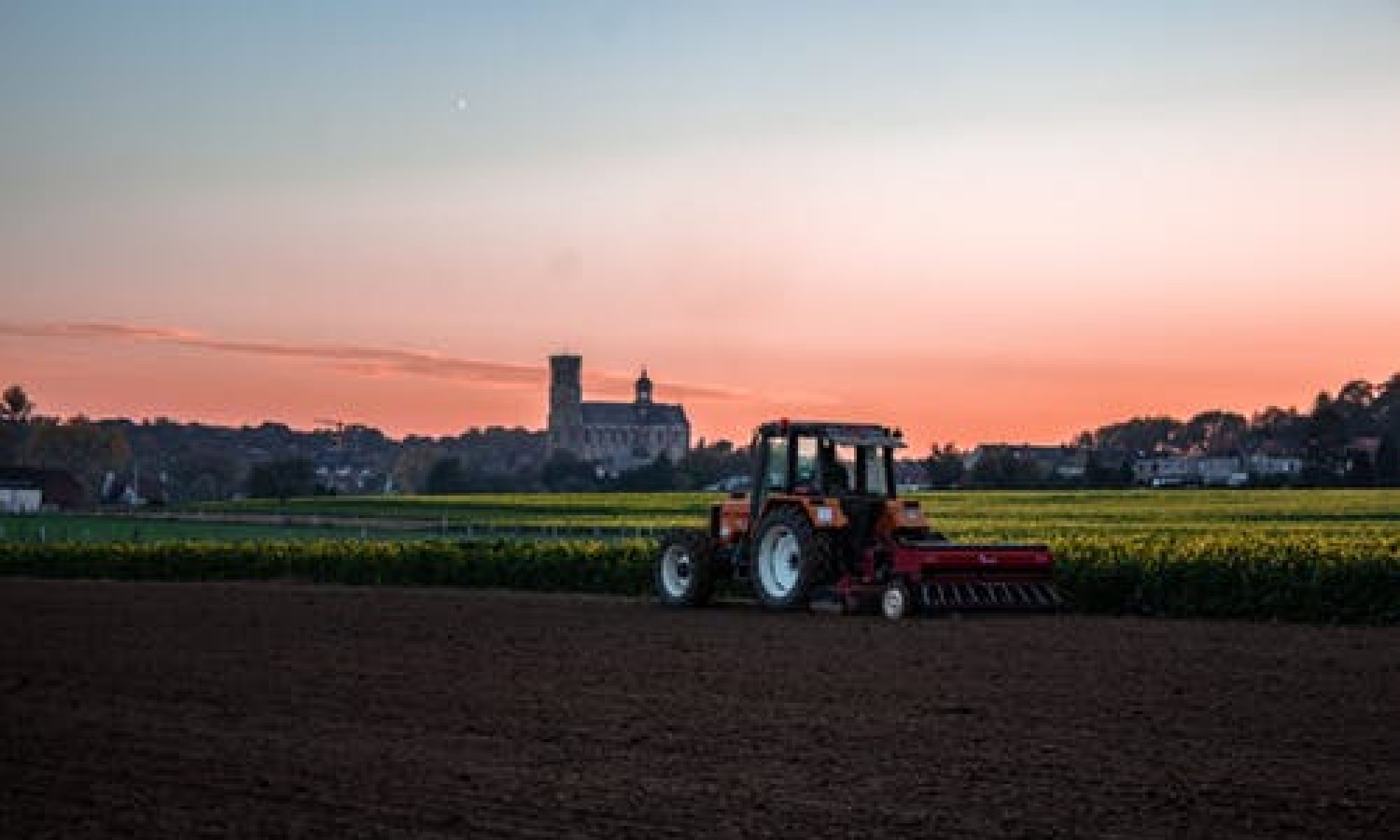

Running a farm today isn’t just about tractors and soil—it’s also about power. Modern farms are packed with electrical equipment: irrigation pumps, grain dryers, welders, dairy machines, refrigeration units, and lighting systems for barns. With so much electricity flowing, one of the most critical decisions a farmer makes is what kind of circuit breaker to install.
A circuit breaker isn’t just another piece of hardware—it’s the silent protector that prevents fires, equipment damage, and power interruptions. Choosing the wrong type can leave a farm vulnerable to outages or even dangerous electrical accidents. Let’s walk through what you need to know about selecting the right circuit breaker for your farm.
Why Farms Require Specialized Circuit Breakers
Unlike a house, where most appliances are low-to-medium demand, farms operate heavy-duty equipment that requires significant electrical capacity. Some reasons farms need specialized breakers include:
-
High-load equipment: Grain dryers, irrigation pumps, HVAC, and welding tools often run on 240 volts or higher.
-
Outdoor environments: Exposure to moisture, dust, and fluctuating weather conditions means breakers need to handle rugged use.
-
Continuous operation: Farms rarely have “off-hours.” Power interruptions can ruin crops, spoil milk, or shut down critical operations.
-
Safety compliance: Agricultural operations must comply with National Electrical Code (NEC) standards and sometimes local utility requirements.
Key Types of Circuit Breakers for Farms
1. Standard Thermal-Magnetic Circuit Breakers
These are the most common types used in residential and commercial settings. On farms, they’re useful for general-purpose circuits like lighting, outlets, or small appliances.
-
Thermal function: Protects against long-term overload.
-
Magnetic function: Instantly trips during a short circuit.
-
Best use: Barn lighting, office spaces, or small power tools.
2. Ground Fault Circuit Interrupter (GFCI) Breakers 🌧️
Farms have plenty of areas where electricity and moisture meet—milking parlors, wash stations, or outdoor outlets. GFCI breakers detect imbalances in current flow and shut down instantly to prevent shock.
-
Critical for: Wet or damp locations.
-
NEC requirement: Any area where water is present.
-
Farm example: Powering water trough heaters or barn wash-down areas.
👉 According to the U.S. Consumer Product Safety Commission, GFCIs have prevented thousands of electrocution deaths since becoming widely adopted.
3. Arc Fault Circuit Interrupter (AFCI) Breakers 🔥
Electrical fires are a serious risk in farms, especially in barns filled with hay, dust, or wood. AFCI breakers detect dangerous arcing (tiny sparks in wiring) before they cause fires.
-
Critical for: Barns, feed storage, and workshops.
-
Prevention: Stops hidden wire damage from turning into disaster.
-
Farm example: Preventing fire risk in old wiring systems in a hay barn.
👉 Learn more about AFCIs from the National Fire Protection Association (NFPA).
4. High-Amperage Breakers for Equipment Loads 🚜
Heavy farm machinery often requires breakers rated well above residential needs. For instance:
-
Irrigation pumps: May require 50- to 100-amp breakers.
-
Grain dryers: Can exceed 150 amps.
-
Welders: Often need 40- to 60-amp dedicated circuits.
👉 The U.S. Department of Agriculture (USDA) emphasizes modernizing farm infrastructure to ensure electrical systems support today’s heavy demands.
5. Double-Pole Breakers
Most farm equipment requires 240 volts, which means you’ll need double-pole breakers. These breakers take up two slots in your panel and deliver the higher voltage safely.
-
Best for: Pumps, HVAC, refrigeration, or large motors.
-
Benefit: Provides the capacity to run large-scale operations without overload.
6. Surge Protection Breakers ⚡
Farm electronics aren’t limited to heavy equipment—computers, automation systems, and climate control panels are also critical. Surge protection breakers defend sensitive equipment from power spikes caused by storms or utility fluctuations.
-
Best for: Precision agriculture equipment, sensors, and automated feeding systems.
-
Farm example: Protecting climate control in a greenhouse.
Sizing Your Farm’s Circuit Breakers
Choosing the right type is only part of the equation—you also need the right size.
-
Amperage rating: Based on equipment load. Always check manufacturer specs.
-
Voltage rating: Farms often need both 120V and 240V circuits.
-
Continuous load rule: NEC requires breaker capacity to be at least 125% of the continuous load.
💡 Example: If your irrigation pump runs at 40 amps continuously, you need at least a 50-amp breaker.
Special Considerations for Farms
-
Outdoor Use
Breakers exposed to outdoor environments should be housed in NEMA-rated enclosures to resist moisture, dust, and pests. -
Backup Power
Farms often use generators or solar systems. Breakers must be compatible with transfer switches to ensure safe backup power integration. -
Expansion Planning
Choose panels and breakers with extra capacity. Farm operations grow, and so will electrical demand. -
Professional Installation
Improperly installed breakers are dangerous. Always consult a licensed electrician familiar with agricultural systems.
Common Mistakes Farmers Make with Breakers ❌
-
Using residential-grade breakers for heavy farm loads.
-
Skipping GFCI/AFCI protection in wet or dusty barns.
-
Oversizing breakers (can damage wiring).
-
Undersizing breakers (causes nuisance trips and inefficiency).
-
Not planning for future electrical expansion.
Conclusion
The right circuit breaker for a farm depends on where it’s being used, the type of equipment it powers, and the environmental conditions around it. At a minimum, every farm should have a mix of GFCI breakers in wet areas, AFCI breakers in barns, and high-amperage/double-pole breakers for large equipment.
Circuit breakers may seem like small components, but they are the guardians of your farm’s safety and productivity. Choosing the wrong ones can cost you downtime, lost revenue, or even put lives at risk. The right ones, however, give you peace of mind that your farm is protected, efficient, and future-ready. 🌱⚡
✅ Learn more about electrical safety for agriculture at: