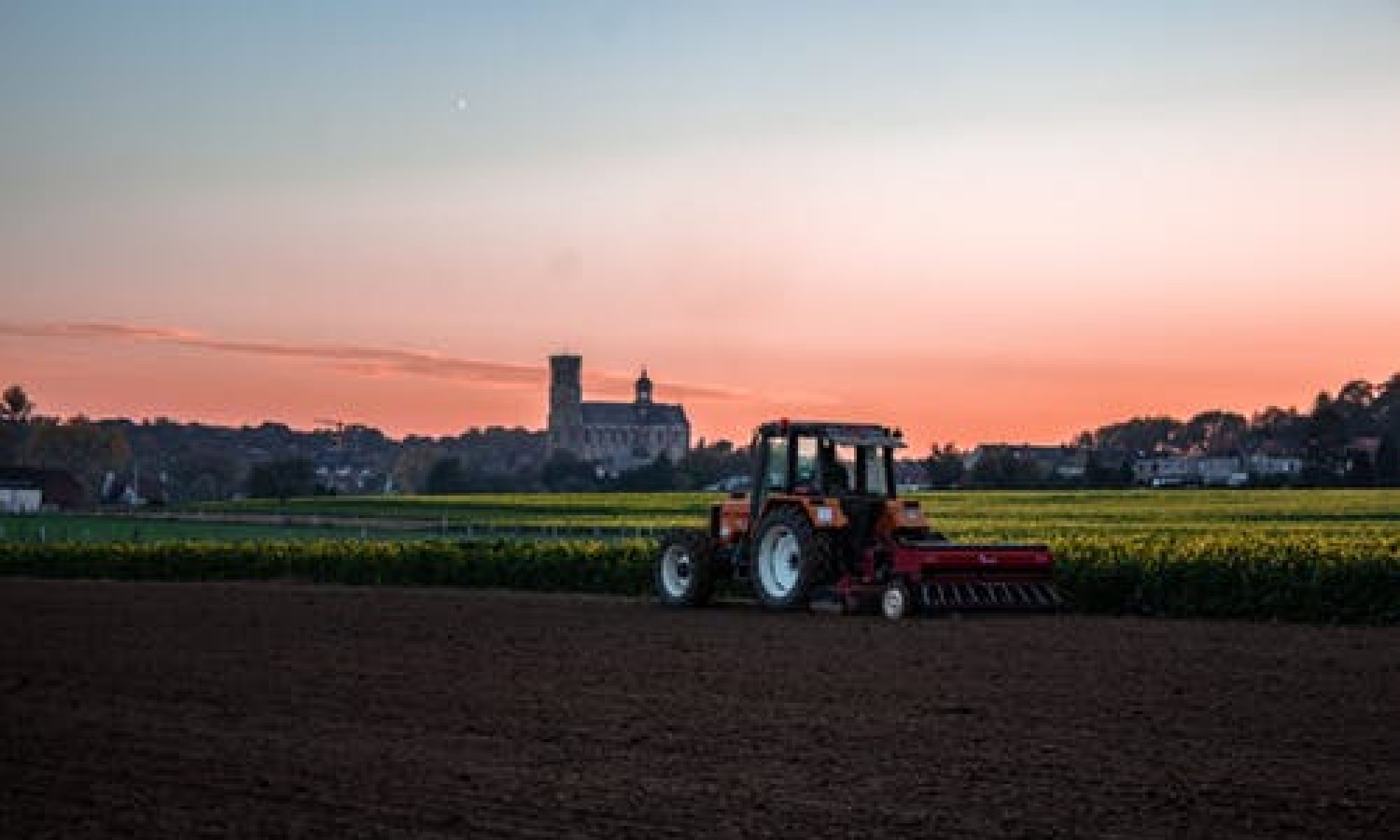


California farms have always been places where practical work and natural beauty meet. Rows of crops, mature orchards, grazing land, barns, gardens, and family homes often share the same property. As more farm owners look for ways to improve their land without sacrificing its agricultural character, professionally designed swimming pools are becoming part of the conversation.
A pool on a farm can serve many purposes. It may provide a private retreat after a demanding day, create a gathering place for several generations of a farming family, or add value to an agritourism property. Some owners want a simple lap pool near the farmhouse, while others envision a resort-style outdoor setting surrounded by native plants, stone terraces, shade trees, and views of the surrounding acreage.
Finding the right contractor for this type of project requires more than comparing pool shapes and finishes. Farm properties present distinctive challenges involving access, drainage, irrigation, soil, utilities, grading, animals, agricultural traffic, and the relationship between the pool area and the working portions of the land. The best result comes from choosing a contractor who can respect both sides of the property: the productive farm and the private outdoor retreat.
California Farms Are More Diverse Than Many People Realize
California agriculture includes far more than large commercial fields. The state is home to vineyards, orchards, flower farms, equestrian properties, organic operations, livestock ranches, small family farms, and mixed-use agricultural estates. According to the USDA National Agricultural Statistics Service’s California overview, the state supports a remarkably varied agricultural economy that includes crops, livestock, dairy production, nurseries, and specialty commodities.
The Peninsula region adds another layer of diversity. Agricultural properties can exist close to affluent communities, wooded hillsides, coastal influences, and rapidly developed areas. A farm may include a historic residence, a modern home, guest accommodations, production buildings, and recreational land within a relatively compact footprint.
The history and scale of agriculture in California help explain why rural properties across the state vary so widely in size, purpose, and design. A swimming pool planned for a working farm must respond to the specific land rather than follow a standard suburban layout.
A contractor who understands this distinction will begin by looking at how the entire property functions. Equipment routes, livestock areas, crop access, irrigation lines, prevailing winds, sunlight, drainage patterns, and views all influence where a pool should be placed and how it should be designed.
Choose a Contractor Who Looks Beyond the Pool Shell
The pool itself is only one part of a successful farm project. Its surroundings determine whether it feels naturally connected to the property or awkwardly inserted into the landscape.
Experienced design-build professionals consider the farmhouse, barns, fencing, established trees, gardens, slopes, and distant views before developing the pool plan. Materials should complement the architecture and agricultural setting. Natural stone, restrained concrete finishes, warm wood accents, and carefully selected planting can create a refined environment without erasing the farm’s identity.
Farm owners searching for Pool Contractors Near Me Peninsula Area should look for a company capable of planning the complete outdoor setting. A coordinated approach can include the pool, spa, decking, lighting, outdoor kitchen, fire feature, planting, walkways, retaining elements, privacy screening, and connections to the home.
This broader perspective matters because separate contractors do not always work from the same vision. One company may install the pool, another may handle the patio, and a third may add landscaping without fully considering drainage, circulation, or long-term maintenance. A unified plan creates stronger visual continuity and reduces the risk of expensive changes after construction has begun.
Protect the Farm’s Water and Irrigation Systems 💧
Water is central to both farming and swimming-pool construction. Before excavation begins, the contractor should understand the location of wells, pumps, agricultural supply lines, drainage channels, storage tanks, septic systems, and irrigation infrastructure.
California’s Agricultural Water Use Efficiency program reflects the importance of improving water management while supporting productive agricultural operations. Although a residential pool and crop irrigation serve different purposes, they still share the same property and may depend on interconnected utilities or limited water resources.
Pool placement should avoid interfering with irrigation repairs, equipment access, and future agricultural improvements. Drainage from patios and surrounding hardscape should be directed responsibly so that it does not create erosion, saturate planting areas, damage crops, or flow toward barns and other structures.
The contractor should also explain pool-cover options, filtration systems, leak prevention, and maintenance practices that can help reduce unnecessary water loss. A properly fitted cover can reduce evaporation while keeping leaves, dust, insects, and agricultural debris out of the water.
Farm owners may also want the design team to study how ornamental landscaping around the pool will be irrigated. The goal should be to create an attractive setting without adding a large, thirsty landscape that competes with agricultural priorities.
Evaluate Soil, Slopes, and Drainage Before Finalizing the Design
Farms often contain a mixture of soil conditions. One section may have been cultivated for decades, while another may consist of fill, compacted access roads, hillside soil, or previously disturbed ground. These differences can influence excavation, structural engineering, retaining walls, and drainage.
A reputable contractor will not treat soil evaluation as a minor detail. The team should determine whether additional analysis is needed and coordinate with qualified professionals when site conditions require engineering expertise. This is especially important on sloped properties, near large trees, or in areas where water naturally collects.
Farm land also changes over time. Seasonal rain, irrigation, livestock movement, and heavy equipment can alter drainage and compaction. The pool plan should account for these realities rather than relying solely on how the site looks during a dry period.
California agricultural research regularly examines how land, water, crops, natural resources, and changing environmental conditions interact. The peer-reviewed California Agriculture journal published by University of California Agriculture and Natural Resources offers a broader view of the research shaping land-management decisions across the state.
A thoughtful pool contractor applies the same respect for site conditions on a smaller scale. The design should work with the land, manage runoff, protect surrounding areas, and remain structurally sound through seasonal changes.
Keep Farm Operations Moving During Construction
Pool construction brings excavation equipment, delivery trucks, crews, materials, and temporary staging areas onto the property. On a suburban lot, those activities may affect a driveway and backyard. On a farm, they can interfere with planting, harvesting, feeding schedules, livestock movement, customer visits, or equipment access.
Before work begins, the contractor and property owner should establish a practical construction route. The plan should identify where trucks will enter, where soil and materials will be placed, which gates must remain clear, and which areas are off-limits.
Temporary fencing may be necessary to protect animals, crops, children, guests, and workers. Dust control and daily cleanup can also become more important when construction takes place near produce, animal areas, farm stores, or guest accommodations.
Current coverage from the California Farm Bureau’s Ag Alert regularly highlights the operating pressures faced by California farmers, including water, labor, regulations, trade, and rising costs. A pool project should be managed in a way that does not add unnecessary disruption to an already demanding operation.
A contractor who listens carefully and provides a detailed construction schedule can help the farm continue functioning while the new outdoor space takes shape.
Design the Pool Around the Farm’s Intended Use
The best pool design begins with a clear understanding of how the space will be used. A multigenerational family farm may need shallow lounging areas, broad steps, shade, and comfortable seating. An equestrian property may benefit from a quiet pool area separated from training and stable activity. A vineyard or orchard estate may favor an elegant rectangular pool aligned with the surrounding rows and distant views.
Agritourism properties require additional planning. A farm that hosts weddings, educational visits, overnight guests, tastings, dinners, or seasonal events may need stronger circulation, durable materials, privacy boundaries, and carefully positioned lighting. The owner must also determine whether the pool will remain private or become part of the guest experience.
California agricultural stories increasingly feature farms that combine production with conservation, education, hospitality, and other land-based activities. The California Department of Food and Agriculture’s Planting Seeds Blog has highlighted multigenerational operations using innovation and stewardship to strengthen both the farm and its surrounding environment.
That same long-term thinking should shape a pool project. The space needs to support the property’s current use while remaining flexible enough for future family, business, or hospitality plans.
Look for Landscape Design That Belongs on the Property
A farm pool should feel connected to its setting. This does not require making the space rustic or overly themed. It requires selecting forms, materials, and plants that respect the land.
Existing agricultural patterns can inspire the design. Orchard rows may influence sightlines. Traditional fencing may inspire subtle railing details. Stone found elsewhere on the property may guide material selection. Mature trees can provide shade and visual structure when they are healthy and located at a safe distance from the pool.
Plant choices deserve particular attention. Pool landscaping should tolerate the local climate, avoid creating excessive debris, and remain manageable alongside the farm’s existing maintenance responsibilities. Native and climate-appropriate plants can provide texture, color, habitat value, and seasonal interest without overwhelming the space.
The USDA California Climate Hub’s information about climate vulnerabilities affecting California specialty crops illustrates how conditions vary across regions and crop types. Local climate, wind, heat, moisture, and exposure should also inform ornamental planting around a farm pool.
A good designer will balance beauty with practicality. The completed landscape should look established and intentional while allowing the farm’s productive areas to remain the visual foundation of the property.
Review Experience, Communication, and Project Management
Portfolio photographs provide useful inspiration, but they should not be the only factor in choosing a pool contractor. Farm owners need to understand how the company manages complicated properties.
The contractor should be able to discuss site planning, grading, drainage, permits, engineering coordination, access, landscaping, and construction sequencing in clear language. Communication should remain consistent from the design stage through completion.
Written proposals should define the project scope, materials, responsibilities, allowances, exclusions, payment schedule, and expected phases. Farm properties can reveal unexpected conditions during excavation, so the contract should also explain how changes are evaluated and approved.
Owners should look for evidence that the contractor pays attention to details beyond visual appearance. Strong project management includes protecting existing features, coordinating subcontractors, maintaining safe work areas, and keeping the owner informed about upcoming activity.
A professionally designed pool is a significant investment. The lowest initial estimate may not represent the strongest value when it excludes drainage work, landscaping, access restoration, utility coordination, or other essential parts of the finished environment.
Plan for Safety Without Losing the View
Safety planning should be integrated into the design from the beginning. Farms can include children, employees, guests, livestock, uneven terrain, moving equipment, and multiple access points. The pool area must have clearly controlled boundaries and safe circulation.
Fencing, gates, alarms, covers, lighting, slip-resistant surfaces, and visibility from the residence may all play a role. The contractor should coordinate the design with applicable local requirements and help the owner understand which safety measures are included in the project.
Thoughtful safety features can remain visually compatible with a high-end landscape. Transparent barriers, carefully placed walls, integrated gates, and layered planting can help preserve important views while establishing separation from working farm areas.
Lighting should guide movement without flooding the farm with glare. Low-level path lighting, step lights, and carefully aimed fixtures can make the pool area safer while preserving the peaceful atmosphere of the surrounding land.
Conclusion
A swimming pool can add comfort, beauty, recreation, and lasting value to a California Peninsula farm. The strongest projects do more than place water near the farmhouse. They create a complete outdoor environment that respects the farm’s history, daily operations, natural features, and future plans.
The right contractor will study access, soil, drainage, irrigation, architecture, landscape, safety, and long-term maintenance before construction begins. The resulting pool should feel like a natural extension of the property rather than a separate feature competing with it.
For farm owners, backyard luxury works best when it remains grounded in the land. A well-planned pool can provide a peaceful retreat after long days, a welcoming place for family and guests, and a refined setting that celebrates the distinctive character of California farm life. 🌿