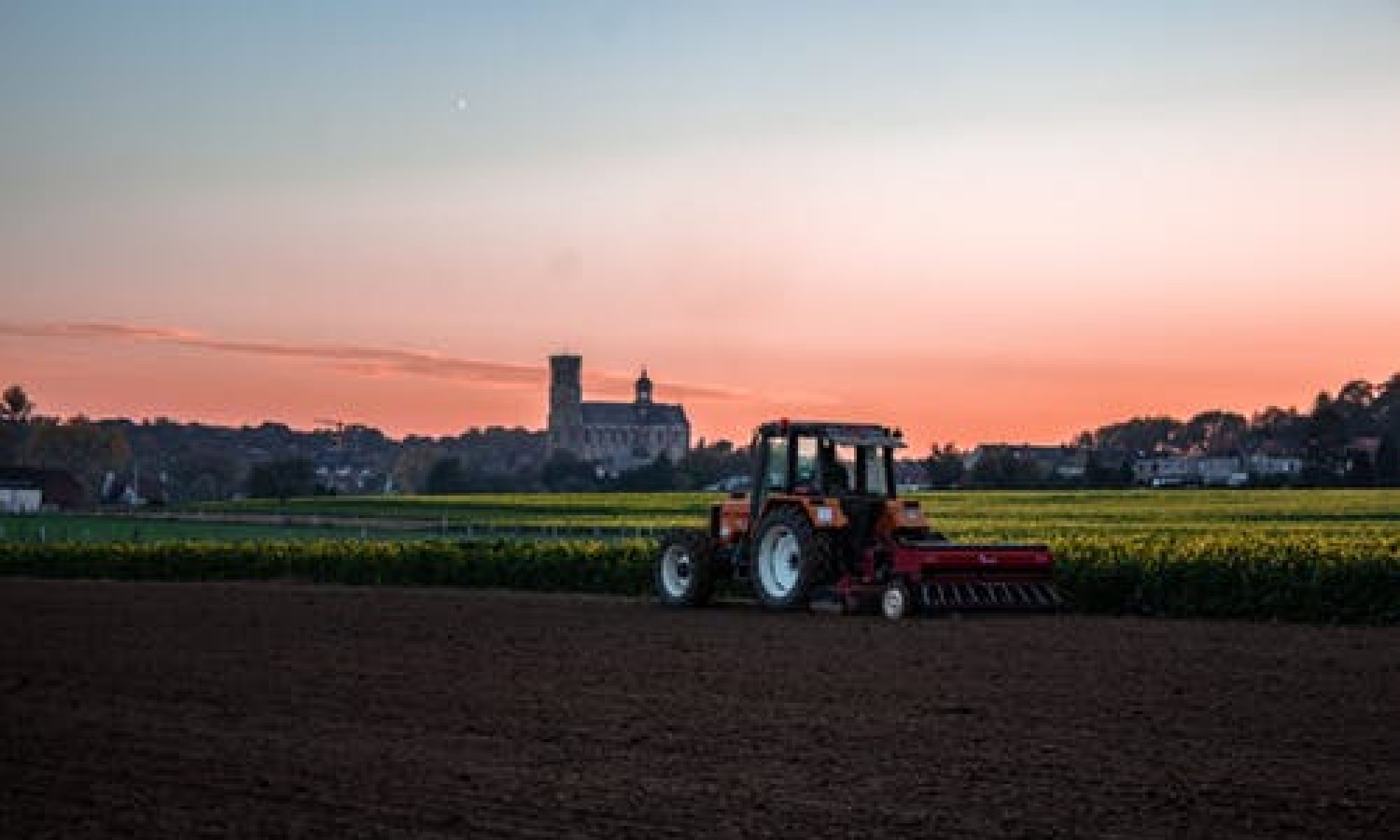

Houston farms face a unique mix of challenges. They operate near one of the largest metropolitan areas in the United States, deal with Gulf Coast weather, manage expensive equipment, protect animals and crops, and often sit on properties where barns, workshops, storage buildings, sheds, coolers, and entry points are spread across wide spaces. That combination makes security and access control more important than many people realize. 🚜
A farm door is not just a door. It is a barrier between valuable property and theft. It is a shield against wind, rain, humidity, pests, and unauthorized access. It is also part of the everyday workflow that keeps a farm moving. When a commercial-grade door is weak, damaged, outdated, or poorly installed, the entire operation becomes more vulnerable.
That is why Houston-area farm owners, ranchers, nursery operators, feed suppliers, agricultural businesses, and rural property managers should take commercial doors seriously before a break-in, storm, or equipment loss forces the issue. The right door system can help protect tools, tractors, feed, livestock supplies, chemicals, vehicles, inventory, and employees while giving farm owners more confidence in the security of their property.
Houston Farms Operate in a High-Risk Environment
Houston is not a quiet rural town surrounded only by farmland. It is a major urban and industrial region with rural, suburban, and agricultural properties around Harris County, Fort Bend County, Montgomery County, Waller County, Brazoria County, Liberty County, and other nearby areas. According to Wikipedia’s overview of Houston, the city sits in Southeast Texas near Galveston Bay and the Gulf of Mexico, which means local properties are exposed to heat, humidity, storms, flooding concerns, and constant regional growth.
For farms, this creates a special kind of pressure. A property may have the equipment and layout of a rural operation, but it may also be close enough to busy roads, construction corridors, warehouses, and commercial traffic to attract unwanted attention. Farm buildings are often not monitored as closely as storefronts or offices, and that can make doors, gates, and storage areas easy targets.
A weak roll-up door, hollow metal door, barn entry, warehouse door, or shop door can become the first point of failure. Once someone gets inside, the loss can go far beyond a few tools. Farm theft can involve trailers, fuel, generators, saddles, irrigation parts, ATVs, feed, copper, power tools, and expensive machinery attachments. A strong commercial door system is one of the simplest ways to reduce that risk before it becomes an expensive emergency.
The Cost of One Break-In Can Be Bigger Than the Door Itself
Many farm owners delay door repairs because the current door still “works enough.” It closes most of the way. It locks if pushed hard enough. It may be dented, rusted, misaligned, or hard to open, but it has not failed completely yet. That kind of thinking can become costly.
A break-in does not have to involve a sophisticated thief. If a door frame is weak, the lock is outdated, the hinges are exposed, or the door does not sit correctly in the opening, forced entry can happen fast. Once a thief realizes a farm building is easy to access, the property can become a repeat target.
The replacement cost of stolen equipment is only part of the problem. There may also be downtime, delayed planting, missed deliveries, emergency repairs, insurance deductibles, damaged doors, lost productivity, and the frustration of trying to replace specialized parts quickly. For farms that depend on seasonal timing, one theft can interrupt a critical window of work.
Investing in a properly installed Commercial Door Houston solution can help farm owners strengthen key access points before a criminal, storm, or equipment failure exposes the weakness.
Houston Weather Makes Strong Doors Even More Important
Houston-area farms do not just need protection from theft. They also need protection from weather. Gulf Coast storms, heavy rain, high humidity, wind, and extreme heat can wear down farm buildings faster than expected. Doors that might last longer in a dry climate can rust, swell, warp, weaken, or lose alignment in Houston’s environment.
Storm-driven rain can enter gaps around poorly sealed doors. Humidity can accelerate corrosion on hardware. Wind can damage large overhead doors that are not properly reinforced. Heat can affect seals, rollers, closers, and weatherstripping. When a door is already old or poorly maintained, severe weather can turn a minor issue into a major failure.
The USDA Farmers.gov local dashboard for Harris County provides agricultural information, weather-related resources, and local farming updates that show how important conditions are for producers in this region. Houston farms must constantly think about weather, and commercial doors should be part of that preparation.
A stronger door with the right frame, hardware, seals, and locking system can help protect stored materials from rain, reduce pest entry, secure equipment during storms, and keep buildings more functional when the weather turns rough.
Farm Equipment Is Too Valuable to Leave Behind Weak Entry Points
Modern farming is not cheap. Even a smaller operation may rely on tractors, mowers, attachments, irrigation systems, trailers, refrigeration units, welding tools, sprayers, pumps, feed storage systems, and specialized equipment. Larger farms and agricultural businesses may have even more expensive assets spread across multiple structures.
The USDA National Agricultural Statistics Service county profile for Harris County shows that agriculture remains part of the local economic picture, including farms of different sizes and sales levels. Whether a farm is large or small, the equipment inside those buildings often represents years of investment.
A basic residential-style door is rarely enough for a commercial farm building or agricultural storage area. Farms need doors that can handle frequent use, wide equipment access, rough conditions, and security demands. That may include hollow metal doors, heavy-duty steel doors, commercial-grade locks, reinforced frames, roll-up doors, sectional doors, fire-rated doors, panic hardware where needed, and properly installed closers.
The goal is not just to make the building look better. The goal is to make it harder to break into, easier to use, and more reliable under everyday pressure.
Commercial Doors Help Protect People, Animals, and Supplies
Security is not only about equipment. Farms may also need to protect workers, livestock, feed, seed, chemicals, medications, fertilizers, tools, and food-related products. A poorly secured storage area can create safety risks, liability concerns, and operational problems.
The Texas A&M AgriLife Extension Service in Harris County provides local agricultural and natural resource support, showing how important education, safety, and farm management are in this region. Farm buildings need to support that same standard of responsibility.
For example, chemical storage areas should be secured. Feed rooms should be protected from pests and unauthorized access. Tool shops should be locked properly. Animal care supplies should not be left exposed. If a farm sells produce, plants, eggs, meat, dairy-related products, or other goods, secure access points can also help support cleanliness and inventory control.
A strong commercial door helps create separation between public areas, work areas, storage areas, and restricted spaces. That matters for farms that welcome customers, host tours, operate farm stands, sell to restaurants, run nurseries, manage boarding facilities, or employ seasonal workers.
Houston Farm Growth Means More Professional Standards
Houston’s surrounding agricultural community is changing. Some farms are traditional family operations. Others are nurseries, greenhouses, equestrian facilities, produce farms, farm-to-table suppliers, feed businesses, landscaping suppliers, agritourism destinations, and specialty growers. As the region grows, many farms are becoming more professional, more visible, and more connected to commercial markets.
The Harris County Agriculture and Natural Resources program explains that local Extension programs help those involved in agriculture meet society’s need for safe, wholesome, and affordable food, fiber, and resources while staying competitive. That kind of competitiveness requires more than good soil and hard work. It requires strong facilities.
When customers, vendors, inspectors, employees, or delivery drivers come onto a property, damaged doors can send the wrong message. A rusted, sagging, or broken entry point can make the entire operation look less organized. A clean, sturdy, properly functioning commercial door shows that the farm takes its property, products, and people seriously.
Professional-grade doors can also improve daily workflow. Wide openings, smooth operation, durable hardware, and properly placed access points make it easier to move equipment, load supplies, manage deliveries, and keep work areas secure.
Farm News Shows Why Preparedness Matters
Texas farm news often reminds producers that agriculture is unpredictable. Weather, pests, disease, market shifts, supply chain concerns, and regulatory changes can all affect farm operations. The Texas Farm Bureau’s Texas Agriculture Daily regularly covers issues affecting farmers and ranchers across the state, from animal health concerns to crop updates and disaster-related developments.
While a commercial door cannot control cattle prices, drought, pests, or fuel costs, it can help control one important part of the operation: physical access. When so many farm risks are outside the owner’s control, it makes sense to strengthen the things that can be controlled.
A secure door helps reduce theft risk. A weather-resistant door helps protect inventory. A properly installed door helps reduce emergency repairs. A better lock system helps limit unauthorized entry. These improvements may seem simple, but they can make a major difference when a farm is already dealing with pressure from every direction.
The Right Door Depends on the Building and the Farm’s Needs
Not every farm building needs the same type of door. A tractor storage building may need a different solution than a feed room, office, cooler, animal facility, workshop, greenhouse, retail farm stand, or chemical storage area. That is why choosing the right commercial door should involve more than picking the cheapest option.
Farm owners should consider how often the door is used, what is stored behind it, how much exposure it gets to weather, whether large equipment needs to pass through, whether employees need daily access, and whether the door needs added security features. Some doors need reinforced locks. Others need better seals. Some need impact-resistant construction. Others need upgraded hinges, closers, frames, or access control.
The Texas Department of Agriculture News & Events page highlights the range of issues affecting agriculture statewide. That same wide range applies to farm facilities. A nursery, ranch, vegetable farm, hay operation, poultry facility, and equipment repair barn may all need different door strategies.
A professional commercial door company can help identify weak points and recommend practical options based on the property’s actual use.
Emergency Door Repairs Can Cost More Than Preventive Upgrades
A farm door usually fails at the worst time. It gets stuck before a delivery. It breaks during bad weather. It will not lock after hours. A roller comes off track when equipment needs to be moved. A damaged frame makes the building impossible to secure overnight.
Emergency repairs are stressful because the farm owner has limited choices in the moment. The door has to be fixed quickly, even if that means paying more or settling for a temporary solution. Preventive replacement or repair gives the owner more control over timing, budget, materials, and security upgrades.
The USDA Farm Service Agency Texas news page shows how often farmers must stay aware of programs, deadlines, disaster support, and agricultural updates. Farm owners already have enough to track. A failing door should not be another emergency waiting to happen.
Routine inspection can reveal problems early. Rust, loose hinges, cracked frames, worn weatherstripping, broken springs, weak locks, gaps, drag marks, and hard-to-open doors are all signs that attention is needed. Fixing these issues early can prevent bigger losses later.
A Better Commercial Door Can Support Insurance and Liability Goals
Insurance companies often look at risk. While every policy is different, farms that make reasonable efforts to secure property may be better positioned when discussing coverage, claims, and loss prevention. A strong commercial door does not guarantee lower insurance costs, but it can demonstrate that the property owner is taking security seriously.
Liability matters too. A damaged door can injure workers, customers, or delivery drivers. A door that slams, sticks, falls, drags, or fails to close properly can create unsafe conditions. A door that does not secure restricted areas can expose people to equipment, animals, chemicals, or tools they should not access.
Farm owners work hard to protect their land and livelihood. Commercial doors are part of that protection. They support security, safety, professionalism, and operational control.
Conclusion
Houston farms cannot afford to treat doors as an afterthought. A farm’s doors protect far more than a building. They protect equipment, livestock supplies, tools, vehicles, feed, inventory, workers, and the daily rhythm of the operation.
Before the next break-in, storm, or equipment loss, farm owners should take a serious look at every access point on the property. If a door is weak, damaged, outdated, hard to lock, difficult to open, or vulnerable to weather, it is not just an inconvenience. It is a risk.
A strong commercial door system can help Houston-area farms operate with more confidence, better security, and fewer preventable emergencies. In a region where agriculture faces weather pressure, urban growth, theft concerns, and rising operating costs, protecting the property starts with the barriers that stand between the farm and everything trying to get in. 🌾