

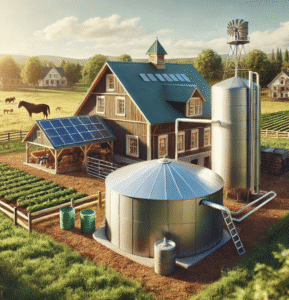
Nowadays, farms face growing challenges—from escalating water costs and unpredictable weather patterns to mounting pressure on natural resources and infrastructure. Amid these, rainwater tanks emerge not just as a practical solution but as a strategic investment. These systems offer farms resilience, financial savings, environmental stewardship, and greater control over water supply. In this article, we’ll explore the compelling reasons for farms to invest in rainwater tanks — examining economic, ecological, and operational benefits — supported by expert sources and practical insights.
Why Rainwater Tanks Make Sense for Farms
Reliable Water Supply, Even in Drought
Rainwater tanks buffer farms against climate volatility. By capturing rain during wetter periods, farms secure a water reserve for critical needs during dry spells. This ensures continuity for irrigation, livestock watering, and cleaning operations—even when rainfall is scarce. Studies emphasize that harvested rainwater offers a reliable alternative when traditional sources are strained or unavailable smartwateronline.comWikipedia.
Lower Costs and Financial Resilience
Investing in rainwater harvesting pays off. Farms reduce reliance on costly municipal or groundwater supplies, reducing utility bills and stabilizing expenses over time smartwateronline.comFAS. Farms are uniquely positioned to benefit from these savings, particularly during periods when water rates spike due to scarcity or regulatory constraints.
Boosted Crop Yields & Livestock Health
Consistency in water provision translates into healthier crops and livestock. Rainwater tanks help guarantee water for irrigation even in dry conditions, supporting optimal growth and yield smartwateronline.comdi-camillo.com. Meanwhile, a steady supply of clean, fresh water ensures livestock remain hydrated and productive, reducing stress and supporting overall farm health Lorentz Australiasmartwateronline.com.
Environmental Stewardship & Resource Conservation
Rainwater harvesting conserves local water supplies and groundwater, promoting sustainability. By capturing rain, farms decrease their extraction of depleting resources and reduce runoff that can cause erosion or stormwater issues Pioneer Water Tanks AmericaWikipedia. In cultivating a long-term, regenerative vision, rainwater tanks serve both ecological health and farming sustainability.
Flood Mitigation & Soil Health
On sloped or erosion-prone land, rainwater tanks reduce surface runoff, curbing erosion and retaining moisture where needed. This not only safeguards soil but contributes to improved growth conditions and water retention FASWikipedia. Some systems even help recharging groundwater naturally, supporting broader landscape resilience.
Improved Water Management & Farm Independence
Rainwater tanks give farmers autonomy. Having on-site storage means better control over irrigation schedules and operational needs—especially beneficial when grid or municipal systems are unreliable. Tanks add a layer of security and flexibility to farm water management, reinforcing independence.
Considerations for Safe and Effective Use
While rainwater is clean at first, collected water may harbor debris, pathogens, or pollutants—especially if filtering is insufficient. Systems should incorporate pre-filters like first‑flush diverters to remove initial contaminants before they enter tanks Iowa State University ExtensionWikipedia. Design and maintenance matter: using covered tanks, screened inlet points, and regular cleaning helps maintain water quality and usefulness.
Conclusion
Farms investing in rainwater tanks are choosing resilience, savings, and sustainability. These systems offer:
-
A reliable water backup during drought
-
Long-term cost savings and financial security
-
Healthier crops and livestock via consistent hydration
-
Conservation of groundwater and reduced environmental footprint
-
Erosion prevention and improved soil moisture retention
-
Greater self-sufficiency in operations
By proactively capturing and managing rainwater, farms not only safeguard their productivity but demonstrate commitment to environmental stewardship and sustainable agriculture.
Ready to dig into specifics—like cost estimates, sizing strategies, or installation approaches? Or want to explore real-world farm examples? Let me know!
References
-
Farmers Guardian — Insight on how rainwater harvesting helps farms save water and cut bills farmersguardian.com
-
Agriculture.com — Discussion on storing excess rainfall to weatherproof farms and drive yield improvements Successful Farming
-
SmartWaterOnline News — Overview of how water tanks enhance production and efficiency on farms smartwateronline.com