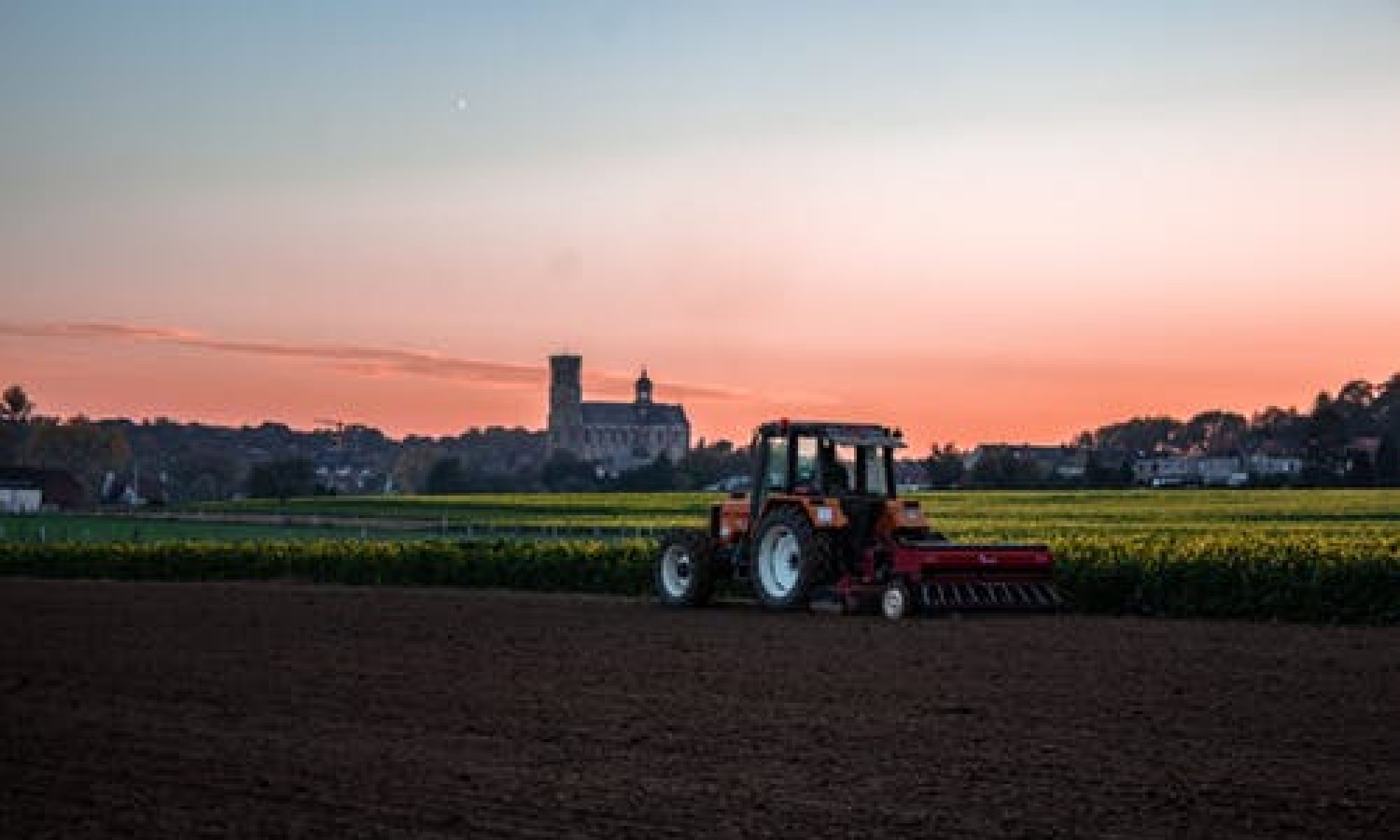

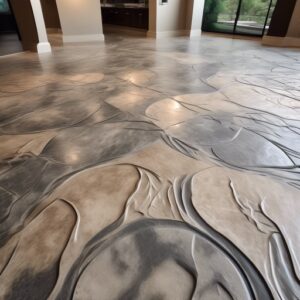
Farms have traditionally been associated with practicality, functionality, and durability. However, modern farms are increasingly embracing new construction methods and materials that not only serve functional purposes but also add aesthetic value to the farmstead. One such material gaining popularity in the agricultural industry is decorative concrete. Known for its strength, versatility, and decorative potential, decorative concrete offers farms a unique way to enhance their operations while boosting the visual appeal of the environment.
Farms today are multifaceted operations, often serving not just as places of production but also as venues for agritourism, markets, events, and more. As farmers diversify and upgrade their operations, the demand for durable yet attractive materials like decorative concrete has risen. In this article, we’ll explore why a farm would benefit from using decorative concrete, its advantages over traditional materials, how it improves farm infrastructure, and the potential cost savings it can offer.
The Versatility of Decorative Concrete on a Farm
Decorative concrete has evolved from being a purely utilitarian material to one that offers an extensive range of design possibilities. Whether it’s used in barns, pathways, outdoor spaces, or parking areas, concrete can be shaped, colored, stamped, and textured to meet both the functional needs and design aspirations of any farm.
Here are several key areas on a farm where decorative concrete can be applied:
Driveways and Pathways: The first thing people often see when arriving at a farm is the driveway. Using decorative concrete for driveways provides a durable, low-maintenance surface that can withstand the heavy machinery, vehicles, and livestock traffic common on farms. With a range of textures and colors available, farms can enhance the curb appeal of their driveways, ensuring a welcoming look for visitors and customers.
Barn Floors and Livestock Areas: In high-traffic areas like barns and livestock enclosures, floors must be robust and easy to clean. Decorative concrete not only provides a durable surface but also allows farmers to add texture to prevent slips and falls. Concrete can also be sealed to resist stains from animal waste and other agricultural byproducts.
Outdoor Seating and Gathering Spaces: Many farms double as event spaces, hosting weddings, markets, and tours. Decorative concrete is an excellent choice for outdoor patios and seating areas where functionality meets aesthetics. A stamped or stained concrete surface can create a rustic or polished look, adding to the overall appeal of the venue while offering weather-resistant, durable surfaces.
Parking Areas: With decorative concrete, parking areas can be designed with a blend of functionality and visual appeal. Whether stamped to look like stone or stained to match the natural surroundings, concrete parking lots are both practical and attractive for visitors.
Retaining Walls and Raised Beds: Retaining walls are often needed on farms to manage soil erosion, particularly in areas with slopes. Decorative concrete can be used to create attractive retaining walls that not only serve a structural purpose but also add to the aesthetic charm of the farm landscape. Raised garden beds or planting areas made of concrete can also add beauty and order to functional spaces.
Advantages of Decorative Concrete for Farms
There are numerous reasons why decorative concrete is an ideal choice for farms. These reasons span beyond just aesthetics and delve into practical benefits that can improve the farm’s operations and reduce long-term costs.
Durability and Longevity: Farms are tough environments, and surfaces must endure a great deal of wear and tear. Decorative concrete offers unmatched durability, making it an excellent choice for areas exposed to constant pressure from heavy equipment, livestock, and foot traffic. Compared to traditional materials like gravel, wood, or plain asphalt, decorative concrete can last significantly longer without cracking, warping, or degrading under harsh conditions.
Low Maintenance: Once installed, decorative concrete requires minimal upkeep. Unlike gravel driveways that may need frequent resurfacing or wooden structures that require painting and sealing, decorative concrete is highly resistant to the elements. The surface can be easily cleaned with a pressure washer, and periodic resealing helps maintain its appearance. For farms, where time and labor are often at a premium, this low-maintenance material can be a major asset.
Weather Resistance: Concrete is inherently weather-resistant, making it an ideal choice for outdoor applications on farms. Whether a farm is located in a region with freezing winters, hot summers, or heavy rainfall, decorative concrete can withstand extreme temperature fluctuations and moisture without breaking down. By opting for stamped or textured finishes, farmers can also enhance the slip resistance of surfaces, ensuring safety during wet or icy conditions.
Aesthetic Flexibility: Decorative concrete comes in a variety of styles, patterns, and colors, allowing farmers to create a customized look that complements their farm’s overall aesthetic. For example, concrete can be stamped to mimic brick, stone, or wood, giving farmers a high-end look without the high-end price tag. This aesthetic flexibility is particularly useful for farms that host public events or operate as agritourism destinations, where visual appeal plays a crucial role in the guest experience.
Cost-Effectiveness: While the initial installation cost of decorative concrete may be higher than some other materials, its long-term cost-effectiveness cannot be overstated. Its durability means fewer repairs and replacements over time, which can save the farm money in the long run. Additionally, its energy efficiency—such as the ability to reflect sunlight in lighter colors—can reduce cooling costs in hot climates, making it a sustainable choice.
How Decorative Concrete Enhances Agritourism
Agritourism has become an increasingly important revenue stream for many farms, as more consumers are seeking out farm experiences such as farm tours, pick-your-own produce events, farm-to-table dining, and weddings. For farms looking to engage with the public, first impressions matter, and the appearance of the property plays a significant role in attracting visitors.
Decorative concrete is an excellent way to elevate the farm’s visual appeal and create inviting spaces for guests. Stamped concrete walkways, courtyards, and patios provide a polished, professional look, transforming the farm into a venue that’s ideal for events. The variety of design options allows farmers to tailor the appearance of different areas to suit their branding and aesthetic preferences, whether it’s rustic, modern, or somewhere in between.
Additionally, concrete’s durability ensures that high-traffic areas, such as parking lots, entranceways, and event spaces, remain in top condition throughout the busy seasons. Farmers who invest in decorative concrete as part of their agritourism infrastructure can enhance the guest experience, leading to positive reviews, repeat business, and increased profitability.
Sustainability and Environmental Benefits of Decorative Concrete
Sustainability is becoming a priority for many farms, and decorative concrete aligns well with eco-friendly practices. One of the key benefits of concrete is its ability to reduce the heat island effect—areas where the temperature is significantly higher due to the presence of concrete, asphalt, or other materials that absorb and retain heat. By using light-colored or reflective concrete, farms can keep outdoor areas cooler, reducing the need for air conditioning in nearby structures.
Furthermore, concrete is a recyclable material. When it eventually needs to be replaced, it can be crushed and reused as aggregate in new concrete mixes, minimizing waste. Concrete’s ability to absorb and store heat during the day and release it at night also makes it a highly energy-efficient material, particularly in climates with extreme temperatures.
Farms focused on water conservation can also benefit from permeable decorative concrete options, which allow rainwater to pass through the surface and replenish groundwater reserves. This feature can be especially beneficial for farms located in regions with water scarcity or those seeking to reduce runoff and soil erosion.
Conclusion
Decorative concrete offers an array of practical and aesthetic advantages for farms, making it an ideal material for a wide range of applications. From enhancing the durability and functionality of farm infrastructure to creating beautiful and inviting spaces for agritourism, the benefits of decorative concrete are vast. Its long-lasting nature, low maintenance requirements, and ability to withstand harsh weather conditions make it a cost-effective choice for farms looking to upgrade their properties.
By embracing decorative concrete, farms can not only improve operational efficiency but also create a more visually appealing environment that attracts visitors and supports diversified revenue streams. Whether it’s in barns, driveways, patios, or parking areas, decorative concrete delivers a combination of beauty and strength that serves the unique needs of modern farms.