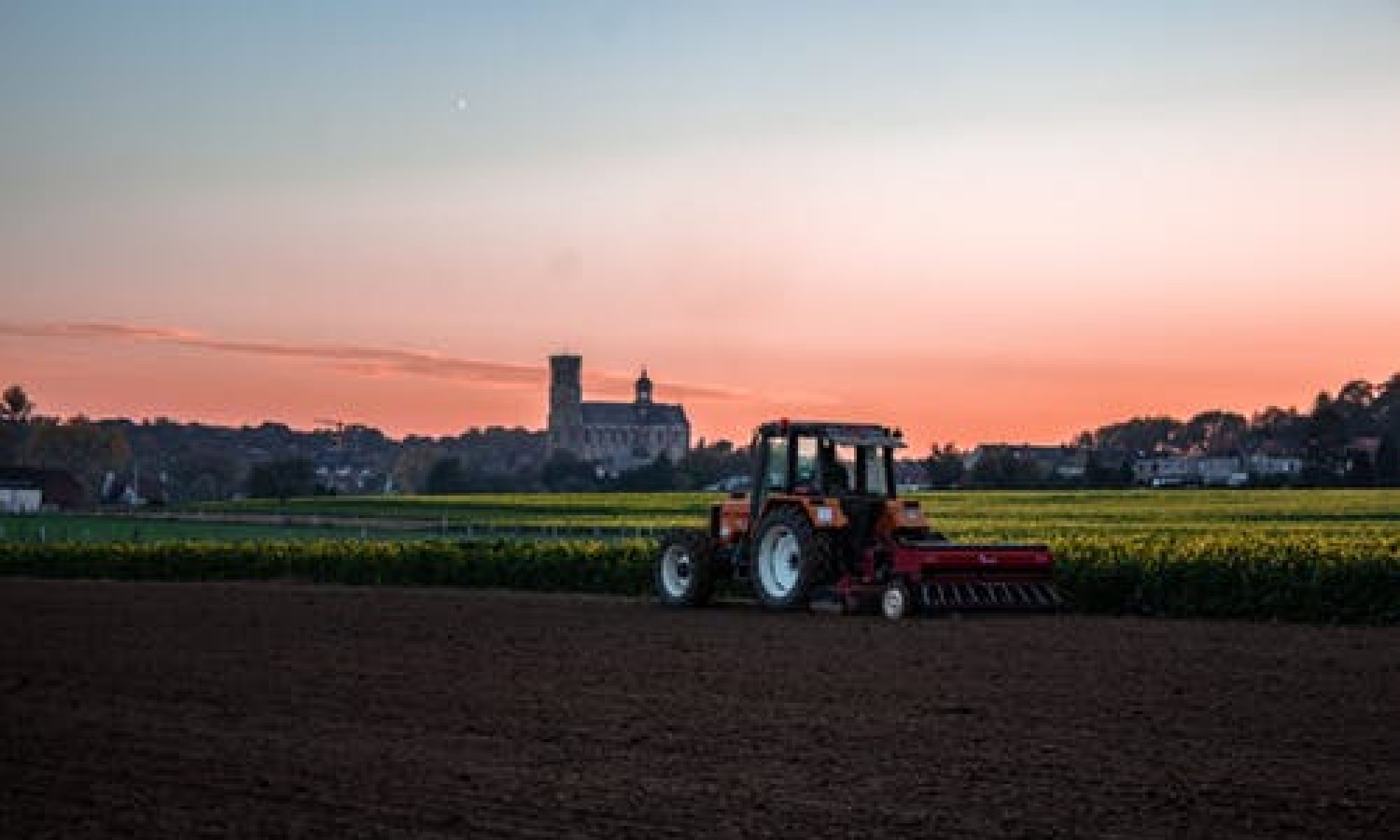

How to do a Japanese Water Garden

Japanese Water Garden design


To Pond or not.

Perhaps one of the most important elements in a Japanese garden is the pond. It can take many shapes and forms and, depending on your style, can serve a practical role as well as an ornamental one. Traditionally, a pond is the centerpiece and focal point of the garden, and this provides the perfect opportunity to put the pond in the right place.

If you want to include water in your garden, you will have to work out exactly where the pond should be situated. If you have a very small garden, it might be better to site your pond on the perimeter of the garden, so that it acts as a good transition between the garden as a whole and the features in the garden.

But if you have a large garden, you will have better luck with making the pond its own feature and letting it blend into the garden. In a way, it is the Japanese concept of sumi or harmony between man and nature.

This also applies to the actual construction of the pond itself. It is best to find some liner or preformed liner to dig into the ground, as this will give a more natural, aged look to the pond. liner is porous and will allow the pond liner to be gently buried during construction. This can also help to eliminate the risk of soil erosion during heavy rain.

Concrete blocks can also be used to make the sides of the pond. Combine the concrete blocks with wood and create a pie tin looking rim around the edge of the pond. It is best to stick to using concrete blocks, as the wood will eventually rot.

A tip I got about a Japanese garden came from a sales associate at a Cabinetry Colorado showroom and they said, “Other nice additions for a Japanese garden are Japanese stone lanterns. These are great, as they are easy to build and maintain, and can be placed anywhere in the garden. Also, they serve as good natural insulation.”

Other gardens can also benefit from a Japanese sense of landscape. cleaning up the garden, keeping it simple, and keeping their larger spaces filled with green grass is the agenda of a Japanese garden.

It is possible to choose the Japanese faith and use garden design to achieve this type of garden. There are different approaches to creating a Japanese garden, but it is possible to find something that suits your garden and your personality.
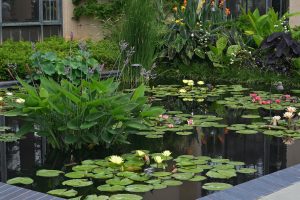
How to Grow Water Garden Plants

Water Garden Plants


Choosing a Water Garden Spot

A water garden spot can be any where that you choose to put a pond. They can be placed on a patio or just about anywhere in your yard. Typically a water garden is placed out of the way of existing vegetation and will provide just the right amount of shade to plants, fish, and water. As long as your water garden is well landscaped and has plants that will flourish in the nutrient abundant water, you should not have any problems.

Making a Water Garden Project

The first stage of your water garden project is to choose the proper location. This should be a place where the elements surrounding it will offer little resistance to the project. Once you have chosen your location, it is time to start preparing the pond for its new home.

Start by digging up the existing slope and creating a tunnel that will allow you to slide the pond into its new home. You can now lay out and plot your plants for the most ideal environment.

It is best to start with a small pond. A pool that is too large will have to be watered with a hose or spend a lot of time sustaining power and water lines to the structure. A pond that is too small will be easy to maintain but it will not have the benefits of a larger water garden.

Create a menu of Water Garden Plants

Now that you have purchased and prepared a new pond, it is time to make it a home for your beautiful water garden. Below is a list of plants that are ideal for a water garden.

Water Lettuce – Water Lettuce is Weed Free and Evergreen. I got this plant idea from a friend who taught me to play chess. This plant grows wonderfully and provides a great range of nutrition to your ponds. It is also great at breaking down soil to help with the drainage problem of a water garden. Water Lettuce has a handsome, crisp and shiny foliage and doesn’t require much sun to thrive. Most water garden ponds will accommodate this plant, which will also help to shroud the pond in darkness and provide a nice atmosphere for fish and other pond creatures.

Water Hyacinths – These are highly attractive flowers and their bell shaped buds will help the water to remain clean and leak free. Also, the foliage and stems can help to keep the pond cool and provide a beautiful backdrop for other plants in your garden. Hyacinths grow very well in most ponds and they are even more attractive in a Arrangement with other flowering plants.

Water Lilies – Water lilies will require a great deal of space and work. The bulb is typically the largest part of the plant. Some water lilies have no leaves at all. To grow a water lily pond you will need to create a container that will hold all of the compost, soil, and water. Then you will need to plant each individual lily bulb into this container. Place the lily in the center of the container and string the stem out so that it is sturdy and can grow outwards. If you don’t have enough space for a container you can also plant each lily in the middle of the container and then surround it with other bulbs.

There are many other types of water garden plants but these are a few of the more popular plants. If you are interested in planting a garden or pond full of beautiful water garden plants you can do so below. You can find out more about planting a pond or water garden here or just grab some of our amazing fluoride resistant plants.