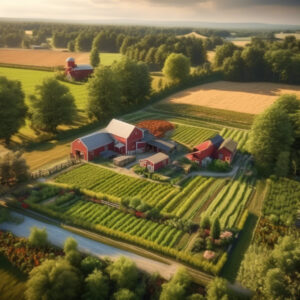
Farming is a cornerstone of our global economy. Whether it’s crops, livestock, or dairy products, farmers invest countless hours into ensuring the health and productivity of their land, animals, and facilities. One often-overlooked aspect of farm maintenance is the condition of the farm buildings and infrastructure. These structures—barns, silos, warehouses, equipment sheds, and processing plants—require care to ensure that they remain safe, functional, and visually appealing.
Commercial painting is an essential service for farms that often goes underappreciated. The right paint job can help preserve buildings, improve the safety of workers, maintain equipment, and even increase the farm’s overall value. In this article, we will discuss the numerous benefits that commercial painting offers to farms, why it should be part of your routine maintenance, and how it can support the long-term success of your agricultural business.
Farm buildings face a unique set of challenges. They are exposed to harsh environmental factors like wind, rain, snow, and extreme temperatures, all of which take a toll on the structures over time. Additionally, the heavy-duty operations involved in farming—whether it’s large machinery usage or animal activities—can lead to wear and tear on the farm infrastructure. This makes commercial painting a crucial service to keep buildings in top shape.
A well-applied commercial paint job does more than just make a building look good. It can protect against weathering, deter pests, improve safety standards, and even help with energy efficiency. Whether you’re managing a large-scale farming operation or a smaller, more specialized farm, commercial painting plays a significant role in your day-to-day operations and long-term business strategy.
The Importance of Commercial Painting for Farms
Protection Against the Elements
Farm buildings face harsh weather conditions year-round. From rain and snow to intense sun exposure, these structures take a lot of abuse. Paint acts as a protective barrier, shielding surfaces from moisture, UV rays, and wind. Without a proper coat of paint, the building materials can degrade over time, leading to more frequent repairs and higher maintenance costs.
For instance, metal barns and silos are particularly vulnerable to rust if exposed to moisture for long periods. By applying a durable, weather-resistant coating, you can prevent corrosion and extend the life of the structure. Similarly, wood barns and other wooden buildings are susceptible to rot, warping, and insect damage if not properly sealed. A quality paint job acts as a barrier against moisture and pests, preserving the integrity of the materials.
Enhanced Durability
Farm operations are tough on buildings. From heavy machinery moving in and out of barns to livestock brushing up against walls, buildings can experience a lot of wear and tear. Paint serves as a protective layer that absorbs some of this stress. High-quality industrial coatings can help reinforce the building, making it more resistant to scratches, scuffs, and impact damage.
Durable paints, such as epoxy or polyurethane, provide a tough, long-lasting finish that stands up to the demands of a farming environment. These paints are not only resistant to abrasions but also offer excellent resistance to chemicals commonly found in agricultural settings, like fertilizers, pesticides, and oils.
Pest Control
Farm buildings are often targeted by pests, including rodents, insects, and birds. These pests can cause significant damage to the structure itself, as well as the products stored within the building. For example, rodents may chew on insulation or wiring, while insects like termites can damage wooden structures.
A well-applied coat of paint can help prevent pests from entering the building. Paint serves as a sealant, covering any small cracks and crevices where pests might otherwise enter. Additionally, certain types of paint contain additives that can discourage pest activity. For instance, paints designed with a specific formula can deter insects or reduce the attractiveness of a building to rodents.
Improved Safety for Workers
Safety is a top priority on any farm. Farmworkers are often handling heavy machinery, working at heights, and performing tasks that carry inherent risks. Painting your farm’s infrastructure can improve safety in a number of ways.
For example, the right paint can make the environment brighter by reflecting light, thus reducing the need for artificial lighting. Bright, vibrant colors like white, yellow, or light green can increase visibility inside barns, warehouses, and other facilities, especially during low-light hours like early mornings or late afternoons.
Additionally, painted lines and markings can help establish clear traffic lanes for both workers and machinery. This can reduce accidents by ensuring that people and vehicles don’t cross paths. Farms with painted safety markers for walkways, exits, and machinery zones have a more structured and organized layout, reducing the risk of accidents.
Increased Energy Efficiency
Commercial painting can contribute to the farm’s energy efficiency. For example, painting a building’s exterior with light or reflective colors can help reduce heat absorption, keeping the interior cooler during hot summer months. This can be particularly important in areas where barns and processing facilities house livestock or crops that require specific temperature conditions.
In addition to lowering temperatures, painting roofs with reflective coatings can help reduce the amount of energy needed to cool down a building. This could lead to significant savings on electricity bills, particularly for larger farm operations where multiple buildings need climate control.
Boosting Farm Aesthetics and Brand Image
Farms may be known for their rustic charm, but a well-maintained property can also convey professionalism and pride in the work being done. When your farm’s buildings are well-painted, they not only look more attractive but also give the impression of a well-run business.
This can have positive impacts on customer relations, particularly for farms that have public-facing elements, such as farm-to-table restaurants, farmers’ markets, or tours. An aesthetically pleasing farm with freshly painted buildings enhances the farm’s image, making it more appealing to customers, suppliers, and even potential investors.
Increasing the Value of the Property
Commercial painting can increase the value of your farm’s property, which can be a significant benefit if you’re considering selling or leasing part of your farm in the future. A freshly painted building not only looks more inviting but also demonstrates that the farm has been well-maintained and cared for.
Investing in commercial painting now can yield long-term benefits by ensuring that the farm’s infrastructure retains its value over time. Buyers and renters are more likely to invest in a property that is visually appealing and structurally sound, and a fresh coat of paint is one of the easiest ways to increase perceived value.
Types of Commercial Paint for Farms
Choosing the right type of paint for your farm’s needs is critical. Not all paints are created equal, and the type of coating you select will depend on the material of the building, the environment, and your specific requirements. Some popular options for farm buildings include:
Acrylic Paint: This water-based paint is versatile, quick-drying, and easy to apply. It is commonly used on wood and metal surfaces and is ideal for buildings that experience fluctuating temperatures.
Epoxy Paint: Known for its durability, epoxy paint is often used in high-traffic areas or buildings that require extra protection from chemicals, moisture, or heavy machinery.
Polyurethane Coatings: These coatings are known for their toughness and resistance to abrasions, chemicals, and UV degradation. They’re often used for metal structures and equipment sheds.
Barn Paint: Specially formulated for agricultural use, barn paint is available in a variety of colors and finishes, including traditional red. It provides an attractive, durable finish while also offering some protection against pests and the elements.
Conclusion
Commercial painting is an investment in the long-term health and success of your farm. Not only does it protect your buildings from the harsh elements and reduce the need for costly repairs, but it also enhances safety, improves aesthetics, and increases the overall value of your property. In the competitive world of farming, having a well-maintained, visually appealing farm can also help you stand out and foster positive relationships with customers and business partners.
Whether you’re dealing with barns, silos, warehouses, or processing facilities, commercial painting is a cost-effective way to improve the functionality and appearance of your farm. By prioritizing the maintenance of your farm buildings, you ensure that they remain safe, efficient, and operational for many years to come.