Why Would a Farm Need to Buy Plastic Pallets?

Farm News for Buy Plastic pallets

Plastic pallets are becoming a vital investment for farms across the globe—transforming the way agricultural products are stored, handled, and transported. From better hygiene to cost-efficiency and sustainability, plastic pallets offer a long list of advantages that make them far superior to traditional wood pallets, especially in farming environments.

In this article, we’ll explore the reasons why farms need plastic pallets, how they improve operations, and what to look for when buying them. Whether you’re running a small organic farm or managing a large commercial operation, these insights will help you understand how plastic pallets can add long-term value to your agricultural business. 🌽🧑‍🌾


The Evolution of Farm Logistics

Modern farming is not just about growing crops or raising animals—it’s also about optimizing operations, improving safety, and ensuring compliance with industry standards. Logistics and material handling play a massive role in the efficiency of any farm.

Traditionally, wooden pallets were the go-to option. But as farms move toward smarter, cleaner, and more sustainable solutions, plastic pallets have emerged as the better choice.

From food safety regulations to the demand for durability and hygiene, plastic pallets are reshaping how farms operate. Below, we break down the critical reasons why plastic pallets are a smart, strategic buy for farms today.


1. Hygiene and Food Safety Compliance 🧼🍎

Agricultural products, particularly fruits, vegetables, and dairy, are highly sensitive to contamination. Wood pallets can absorb moisture, harbor bacteria, and develop mold—posing a significant risk to food safety.

Plastic pallets, on the other hand, are non-porous and easy to clean. This makes them the perfect solution for maintaining hygiene across the supply chain. Farms that process or ship food products can remain compliant with stringent food safety regulations such as the FDA’s Food Safety Modernization Act (FSMA) (source) and GFSI (Global Food Safety Initiative) (source).

Key Advantages:

  • No splinters, nails, or cracks that trap bacteria

  • Compatible with high-pressure washing and sanitizing

  • Reduces risk of product recalls due to contamination


2. Durability and Longevity 🚜🛠️

Farms are tough environments. Equipment gets banged around, pallets are stacked high, and weather can be unpredictable. Plastic pallets are built for durability. Unlike wood, they don’t warp, rot, or splinter under pressure.

Why it matters for farms:

  • Plastic pallets can last 10+ years with regular use (source).

  • Reduces replacement costs over time

  • Holds up against chemicals, UV rays, moisture, and insects

This makes them ideal for both indoor storage and outdoor handling in any season 🌦️.


3. Lower Lifetime Costs 💰📉

While plastic pallets may cost more upfront than wood pallets, they save farms money in the long run. Their longevity, resistance to damage, and ease of maintenance mean fewer replacements, fewer repairs, and reduced labor costs.

Additionally, reusable plastic pallets can be part of a closed-loop system, which reduces the need to continually purchase new pallets—a game-changer for cost-conscious farms.

Return on investment benefits:

  • Longer service life = lower cost-per-use

  • Reduced downtime from damaged pallets

  • No need for ongoing treatments or repairs


4. Sustainability and Environmental Impact 🌱♻️

Plastic pallets might not sound eco-friendly, but many are made from 100% recycled plastic and are also 100% recyclable at the end of their life. This supports sustainability initiatives in agriculture and helps farms align with ESG goals.

In contrast, wood pallets contribute to deforestation and must often be discarded after a few uses due to contamination or breakage.

According to the U.S. Environmental Protection Agency (EPA), reducing wood waste and reusing materials are key steps in sustainable farming (source).

Eco-benefits of plastic pallets:

  • Reduced landfill waste

  • Made from recycled material

  • Supports circular economy practices


5. Efficiency in Storage and Transport 🚚📦

Plastic pallets are designed for consistent dimensions, which makes stacking and storage much more efficient than with wood pallets, which can vary due to wear or damage.

Farms that ship produce, livestock feed, fertilizers, or equipment parts can benefit from:

  • Better cube utilization in trucks and containers

  • Nesting options for return logistics

  • Lightweight models that reduce shipping costs

This logistical efficiency translates into faster processing and lower fuel consumption, which is essential for modern farm distribution systems.


6. Safer Working Conditions 🦺👷

Splinters, nails, and broken boards can cause workplace injuries—something farms want to avoid at all costs. Plastic pallets offer rounded edges, smooth surfaces, and structural integrity, which create a safer work environment for farmhands and equipment operators.

Additionally, because plastic pallets don’t absorb chemicals or waste, they reduce exposure to harmful substances that might otherwise cling to wood.

Safety benefits include:

  • Lower injury risk for workers

  • Protection for forklifts and tines

  • Less manual handling effort

Investing in safety reduces liability and supports a healthier work culture on the farm.


7. Ideal for Cold Storage and Harsh Weather ❄️☀️

Whether you’re storing vegetables in cold storage or stacking feed under the sun, plastic pallets handle extreme temperatures far better than wood. Wood can swell, crack, or grow mold in damp conditions, while plastic resists all of the above.

This makes plastic pallets an ideal choice for:

  • Refrigerated storage facilities

  • Hot, humid climates

  • Outdoor stacking during seasonal harvests

Their resistance to corrosion and chemical exposure is also useful for storing fertilizers and other sensitive materials.


8. Customization and Automation Compatibility 🤖📏

Plastic pallets can be manufactured to meet specific weight capacities, designs, or automation requirements. For modern farms that use automated systems, conveyor belts, or robotic packaging systems, plastic pallets offer uniformity—a must for machines.

Custom features include:

  • RFID tagging for inventory tracking

  • Colors for product identification

  • Anti-slip surfaces and drain holes

Automation in agriculture is growing rapidly (source), and plastic pallets are built to scale with that growth.


9. Compliance With International Shipping Standards 🌍📦

Wood pallets used in international shipping require heat treatment or fumigation to comply with ISPM-15 regulations (source). Plastic pallets do not. This simplifies export processes for farms sending goods abroad.

Plastic pallets eliminate delays caused by:

  • Quarantine or inspection of untreated wood

  • Certification paperwork for fumigated pallets

  • Risk of introducing pests across borders

For farms engaging in global commerce, this is a practical advantage that speeds up logistics and ensures regulatory compliance.


10. Better ROI When Selling Direct to Consumer (DTC) 🛒🌾

Many farms are now moving into direct-to-consumer (DTC) markets, selling produce, dairy, or value-added products at farmers’ markets or through online subscriptions. Clean, stackable, and professional-looking plastic pallets elevate a farm’s brand appearance and functionality.

Consumers are increasingly conscious of sustainability and cleanliness. Plastic pallets support a polished, sanitary presentation and allow farms to streamline their packing processes when preparing for weekly deliveries.


Conclusion: A Smart, Long-Term Investment for Modern Farms ✅

From safety to sustainability, cost savings to compliance, the advantages to buy plastic pallets for farms are clear. They’re not just an upgrade—they’re a strategic asset that helps farms thrive in a modern, fast-moving agricultural industry.

Whether you’re shipping apples to grocery stores, storing feed in barns, or delivering CSA boxes to homes, plastic pallets provide a clean, durable, and efficient foundation for your operations.

Final Takeaway:
Plastic pallets help farms do more with less—less waste, less risk, less hassle—and more consistency, cleanliness, and cost-efficiency. 💡🚜♻️

If you’re looking to modernize your farm’s logistics and prepare for a future of smarter, safer farming, it’s time to invest in plastic pallets.
When Would a Denver, CO Farm Need to Invest in Restaurant Equipment?

restaurant designs

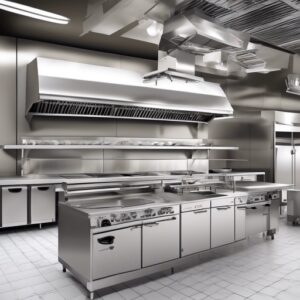
The agricultural landscape in Denver, Colorado, has seen a significant transformation in recent years. With a growing emphasis on sustainable farming practices and local food systems, many farms in the Denver area are diversifying their operations to include direct-to-consumer sales and value-added products. One of the most promising avenues for this diversification is the incorporation of restaurant equipment on the farm. This equipment enables farms to process, prepare, and serve their produce directly to consumers, either through on-site farm-to-table dining experiences, catering services, or value-added products like jams, pickles, and baked goods. This blog post explores the various scenarios and considerations for a Denver farm contemplating an investment in restaurant equipment.

The Evolving Landscape of Farming in Denver

Denver’s agricultural scene is uniquely positioned to benefit from the integration of restaurant equipment. The city’s vibrant culinary culture, coupled with a strong local food movement, creates an ideal environment for farms to engage directly with consumers. The demand for fresh, locally-sourced food has never been higher, and Denver residents are increasingly seeking farm-to-table experiences.

Diversification and Value-Added Products

Expanding Revenue Streams

One of the primary reasons a farm might invest in restaurant equipment is to diversify its revenue streams. Traditional farming is heavily dependent on the growing season and market prices, which can be volatile. By processing their produce into value-added products, farmers can create new income sources that are less susceptible to these fluctuations. For example, a farm that grows berries might invest in equipment to produce jams, jellies, or baked goods, which can be sold year-round.

Meeting Consumer Demand

There is a growing trend among consumers for artisanal, handcrafted food products. Farms that can offer such products are likely to attract a dedicated customer base. Investing in restaurant equipment allows farms to meet this demand and build a brand around their unique offerings. This can include everything from fresh-baked bread and pastries to gourmet sauces and preserves.

On-Site Farm-to-Table Experiences

Creating a Unique Dining Experience

One of the most compelling reasons for a farm to invest in restaurant equipment is to offer on-site dining experiences. Farm-to-table dinners have become increasingly popular, as they provide consumers with a direct connection to the source of their food. These events can range from casual picnics to elaborate multi-course meals, and they offer a unique opportunity for farmers to showcase their produce in a controlled setting.

Enhancing Customer Engagement

Hosting on-site dining events can significantly enhance customer engagement and loyalty. These events allow consumers to see firsthand how their food is grown and meet the people who grow it. This personal connection can foster a deeper appreciation for the farm’s products and encourage repeat business. Additionally, these events can serve as a marketing tool, generating word-of-mouth buzz and media coverage.

Catering Services

Reaching a Broader Audience

Another avenue for farms to consider is catering services. By investing in restaurant equipment, a farm can prepare and deliver high-quality, farm-fresh meals for events such as weddings, corporate functions, and private parties. This not only provides an additional revenue stream but also introduces the farm’s products to a broader audience.

Building Partnerships

Catering services can also help farms build partnerships with local businesses and organizations. By providing catering for local events, farms can establish relationships with event planners, venues, and other businesses, which can lead to repeat business and referrals. These partnerships can be invaluable for expanding the farm’s customer base and enhancing its reputation in the community.

Regulatory Considerations

Understanding Local Regulations

Before investing in restaurant equipment, it’s crucial for farms to understand the local regulations and health codes that apply to food processing and service. In Denver, as in many other places, there are strict guidelines that must be followed to ensure food safety. These regulations can vary depending on the type of food being prepared and the scale of the operation.

Navigating Licensing and Permits

Obtaining the necessary licenses and permits can be a complex process, but it is an essential step for any farm looking to expand into food processing or on-site dining. This may include health department inspections, commercial kitchen certifications, and food handler permits. Farms should allocate time and resources to navigate this process to ensure compliance and avoid potential legal issues.

Financial Considerations

Initial Investment

The initial investment in restaurant equipment can be substantial. Farms need to carefully consider the cost of purchasing and maintaining equipment such as commercial ovens, refrigerators, food processors, and dishwashers. It’s important to create a detailed budget that includes not only the cost of equipment but also installation, maintenance, and potential upgrades.

Return on Investment

While the initial investment can be high, the potential return on investment (ROI) can be significant. By creating new revenue streams and enhancing the farm’s brand, the investment in restaurant equipment can pay off in the long run. Farms should conduct a thorough financial analysis to project potential earnings and determine the viability of the investment.

Marketing and Branding

Building a Brand

Investing in restaurant equipment allows farms to create a distinct brand around their value-added products and dining experiences. This branding can help differentiate the farm from competitors and attract a loyal customer base. Effective branding involves creating a compelling story about the farm’s mission, values, and products, and communicating this story through marketing materials, packaging, and online presence.

Utilizing Social Media and Online Platforms

Social media and online platforms are powerful tools for marketing farm-to-table experiences and value-added products. Farms can use these platforms to share their story, promote events, and engage with customers. Regular updates, high-quality photos, and engaging content can help build a strong online presence and drive sales.

Case Studies and Examples

Successful Farm-to-Table Operations

Several farms in the Denver area have successfully integrated restaurant equipment into their operations. For example, Acreage by Stem Ciders in Lafayette combines a working farm with a cider house and restaurant, offering a unique dining experience that highlights locally-sourced ingredients. Another example is The GrowHaus, an urban farm and marketplace in Denver that offers cooking classes and farm-to-table dinners.

Lessons Learned

These case studies offer valuable lessons for other farms considering a similar investment. Key takeaways include the importance of understanding customer preferences, the benefits of creating a strong brand, and the need to navigate regulatory requirements effectively. By learning from the experiences of others, farms can better prepare for the challenges and opportunities associated with investing in restaurant equipment.

Sustainability and Environmental Impact

Reducing Food Waste

Investing in restaurant equipment can help farms reduce food waste by allowing them to process surplus produce into value-added products. This not only maximizes the use of resources but also aligns with the growing consumer demand for sustainable practices. For example, blemished or overripe fruits can be turned into preserves or baked goods, reducing waste and creating additional revenue.

Supporting Local Food Systems

By offering farm-to-table experiences and value-added products, farms can support the local food system and reduce the environmental impact of food transportation. This local approach can help build a more sustainable food system and promote environmental stewardship. Farms can highlight these efforts in their marketing to appeal to eco-conscious consumers.

Conclusion

The decision to invest in Denver restaurant equipment is a significant one for any farm, but it can offer numerous benefits, from diversifying revenue streams to enhancing customer engagement and supporting sustainability. For farms in Denver, the growing demand for locally-sourced, artisanal food products presents a unique opportunity to expand their operations and connect with consumers in new ways. By carefully considering the financial, regulatory, and operational aspects, farms can successfully integrate restaurant equipment into their business model and thrive in the evolving agricultural landscape.

Investing in restaurant equipment is not just about purchasing new tools; it’s about transforming a farm’s approach to food production and customer engagement. Whether through on-site dining experiences, catering services, or value-added products, this investment can open new doors and create lasting value for farms in Denver and beyond. By embracing this opportunity, farms can play a crucial role in shaping the future of sustainable, local food systems.