
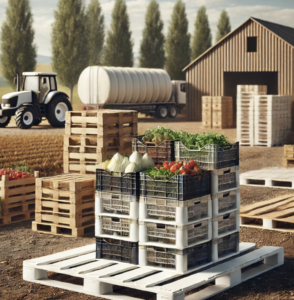
When a farm is moving product, pallets are not a minor detail. They are the “hidden equipment” behind harvest days, packing sheds, cold storage, on-farm markets, CSA pickups, and shipments headed to processors or distribution centers. Pallets keep loads stable, protect produce and inputs, and help forklifts and pallet jacks do their job safely. A farm can have the best crop in the county, but if it cannot source the right pallets at the right time, shipping schedules slip, product quality risks go up, and labor gets wasted.
Finding pallets for sale is not a single-channel search, either. Most farms build a practical supply system that blends local relationships, seasonal planning, compliance awareness for food and export needs, and a few dependable backup options when demand spikes. 🌾
Why Pallets Matter to Farm Operations
Pallets touch more parts of a farm than most people realize. They carry bagged feed, seed, fertilizer, and soil amendments. They support boxed produce, bins, and totes. They sit under wrapped loads in coolers, barns, and warehouses. They move through packing lines and into trailers, sometimes headed to regional distribution and sometimes headed to export channels where packaging rules become stricter.
Pallet demand also changes with the farm calendar. Planting season often brings inbound freight. Harvest and peak market seasons bring outbound pallet demand. When a farm expands acreage, adds new crops, or wins a new wholesale customer, pallet needs can jump overnight. Farms that treat pallets like an actual line item in operations planning tend to stay calmer in crunch time and waste less money on last-minute purchases.
Choosing the Right Pallet Type for the Job
Before a farm buys, it usually narrows down what “right” looks like. Pallets vary by material, footprint, strength, and cleanliness. Wood pallets are common and widely available, with standard sizes often aligning to downstream supply chains. Some farms also use plastic pallets for moisture resistance and consistent specs, especially where sanitation and durability are priorities.
Pallet basics matter because buyers and receivers often have preferences. A processor may want consistent pallet size and condition to run smoothly in their warehouse. A retailer or distributor may require a standard footprint to fit racking and trailer loading patterns. Even local farm-to-table deliveries benefit from stable, uniform pallets that stack and wrap well. For a quick overview of the common pallet concept and why standardization matters in logistics, this reference helps: Pallet (Wikipedia).
Local Pallet Yards and Recyclers as the Primary Source
For many farms, the most reliable “everyday” source is a local pallet yard, recycler, or refurbisher. These suppliers often stock a range of options: new pallets, reconditioned pallets, and used pallets sorted by grade. Farms like this route because it is fast, nearby, and flexible. A farm can call, describe what they are moving, and get recommendations based on load weight and handling needs.
Local pallet suppliers also tend to understand seasonal patterns in agricultural regions. They know when produce ramps up, when seed and chemical deliveries hit, and when cold storage turns over. Over time, farms build relationships that make sourcing smoother, including reserved inventory or scheduled deliveries during peak weeks.
Working Through Farm and Produce Supply Chains
A farm that ships into produce channels often ends up buying pallets through the same ecosystem that buys boxes, liners, wraps, and cold chain materials. Some farms bundle pallet purchases with other packaging needs so deliveries are consolidated and inventory is easier to manage. This becomes even more important as packaging expectations evolve, especially for specialty crops shipping longer distances.
USDA-backed research and industry programs regularly spotlight packaging and shipping improvements for specialty crops, which connects directly to how farms think about pallet performance, load stability, and export readiness. A farm that follows those developments stays ahead of what buyers and markets are trending toward. This USDA resource is a solid example of the packaging side of the conversation: Packaging Innovation Lab (USDA FAS).
Co-Ops, Producer Networks, and Group Buying
Some farms find pallets through cooperatives, producer networks, and regional grower associations. Group buying can reduce per-unit costs, improve access during high-demand periods, and standardize pallet specs across multiple farms shipping into the same buyers. This approach is especially useful when a region is sending product to a shared packing house, cooler, or distributor. Standardization reduces surprises at receiving docks and helps freight carriers load more efficiently.
Producer networks also share information fast. If a pallet supply tightens locally, word travels. If a pallet recycler has a strong batch of reconditioned pallets available, that news spreads. These channels are not always formal “news,” but they function like it in the day-to-day business of farming.
Food Safety, Cleanliness, and Compliance Considerations
Many farms selling direct-to-consumer can use a wider range of pallets, but as soon as product goes through packing, processing, or export, expectations can change. Clean pallets reduce contamination risks. Consistent pallets reduce handling damage. Farms also pay attention to whether pallets have odors, stains, or signs of prior chemical exposure, especially when pallets will sit in coolers near unpackaged produce.
For farms shipping internationally, wood packaging material rules matter. ISPM 15 compliance is a key standard for treated and marked wood packaging used in international trade. Farms that export, or ship into export channels, often source pallets that meet these requirements so loads are not delayed or rejected. This USDA APHIS page is a practical compliance reference: Wood Packaging Material and ISPM 15 (USDA APHIS).
Supply Chain Awareness Helps Farms Buy Smarter
Pallet availability and pricing are tied to broader supply chain realities: lumber markets, transportation costs, labor availability, and the general movement of goods. Farms that track supply chain news tend to make better timing decisions, such as buying a little earlier before peak harvest congestion or locking in a supplier agreement before busy seasons.
Farm-focused organizations regularly cover supply chain conditions that influence farm inputs and logistics. Staying plugged into that kind of coverage keeps pallet purchasing from becoming a scramble. One dependable hub for this topic is here: Supply Chain coverage (American Farm Bureau Federation). Farms also keep an eye on broader agricultural business reporting that connects logistics and disruptions to on-farm realities, like this: The disruption of the supply chain begins with agriculture (Successful Farming / Agriculture.com).
Building a Simple Pallet Sourcing System That Holds Up in Peak Season
Farms that stay stocked usually follow a straightforward system built around consistency and backups:
A farm starts by standardizing what it can. Using one or two pallet specs for most shipments simplifies stacking, wrapping, trailer loading, and storage. Next, the farm identifies a primary local supplier and keeps a baseline inventory on hand, especially heading into harvest windows. Then it adds a backup source in case demand spikes or a supplier runs short.
Many farms also set a quality threshold. They decide what grade is acceptable for different uses: sturdier pallets for outbound wholesale and longer hauls, and more flexible options for internal storage or short local moves. This prevents overpaying for premium pallets when the job does not require it, while still protecting product quality and safety where it counts.
Finally, farms stay informed. Logistics and supply chain news aimed at agriculture helps with timing and budgeting. For another farm-business lens on how supply chain issues can persist and impact agriculture, this reporting is useful: Agriculture left high-centered as supply chain problems expected to persist (AgWeb).
Conclusion
Farms find pallets for sale by treating pallets as an operational necessity instead of an afterthought. The strongest approach blends local pallet yards and recyclers, supply-chain-aligned packaging sources, cooperative buying power, and a clear understanding of cleanliness and compliance needs. When farms standardize pallet specs, keep a seasonal buffer, and stay tuned into agriculture logistics developments, pallets become one more dependable tool that supports a smooth, profitable season. 🌻