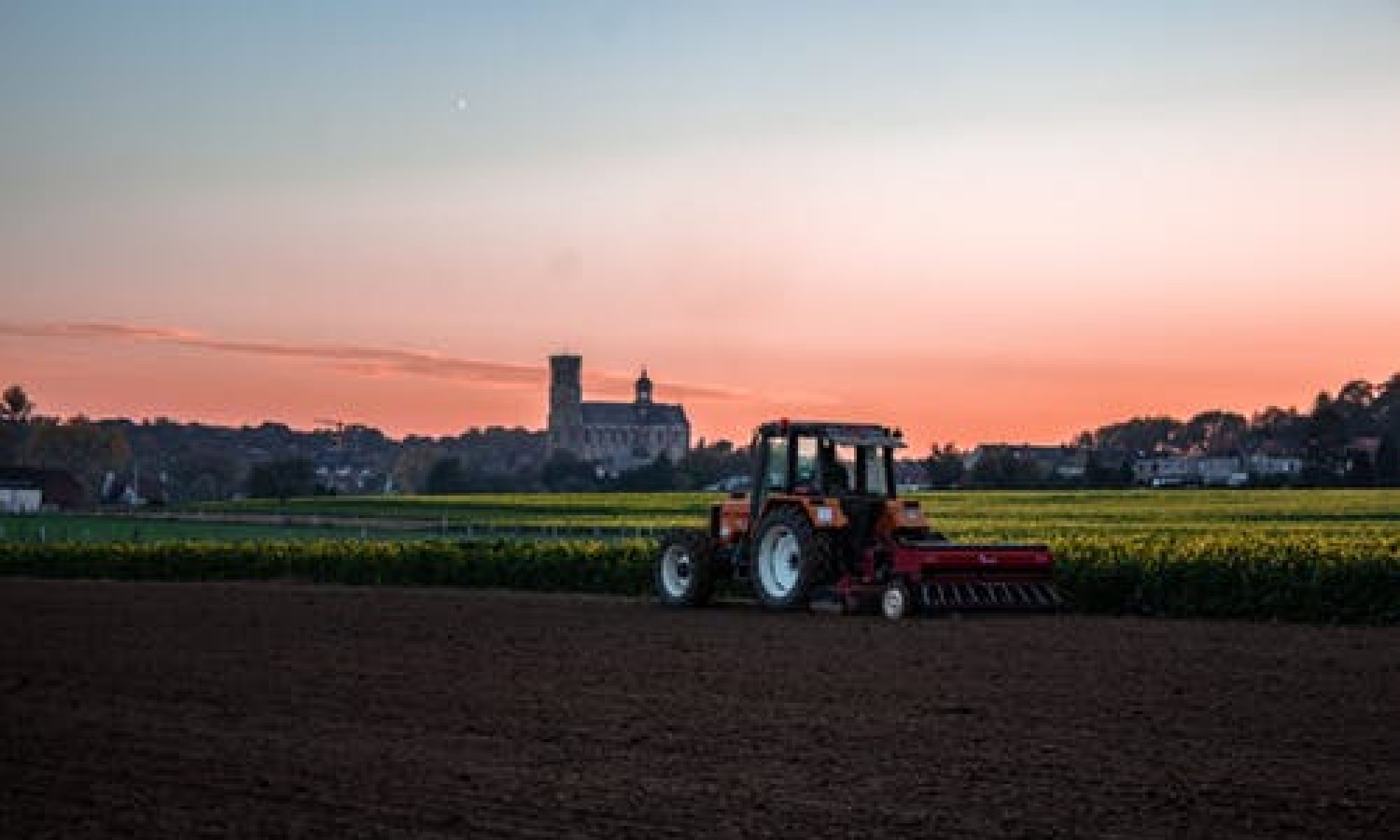

Farming has been an integral part of human civilization for centuries, providing us with the sustenance and resources needed for our survival. As the global population continues to grow, the demand for food and agricultural products has never been higher. To meet this ever-increasing demand, farmers are constantly seeking innovative solutions to improve efficiency, productivity, and sustainability in their operations.
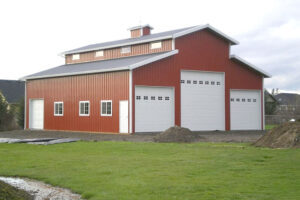
One such solution that holds great promise for modern agriculture is prefab commercial buildings. These pre-fabricated structures are gaining popularity among farmers for their versatility, cost-effectiveness, and numerous benefits. In this article, we will explore the reasons why farms should seriously consider adopting prefab commercial buildings as an essential part of their operations.
Efficiency and Speed of Construction
Traditional construction methods can be time-consuming and weather-dependent, which can lead to project delays and increased costs. Prefab commercial buildings are designed for quick and efficient construction. These structures are manufactured in a controlled factory environment, allowing for precise measurements and high-quality construction. Once on-site, assembly is typically much faster than traditional construction, reducing downtime and increasing productivity on the farm.
Cost-Effective Solutions
Prefab commercial buildings offer significant cost advantages over traditional construction methods. The streamlined manufacturing process, reduced labor requirements, and shorter construction timelines all contribute to cost savings. Additionally, the materials used in prefab buildings are often more affordable, making them a cost-effective choice for farmers looking to expand or upgrade their facilities without breaking the bank.
Versatility and Customization
Farmers have diverse needs, and prefab commercial buildings can be tailored to meet those specific requirements. Whether it’s a barn for livestock, a storage facility for equipment, or a processing center for produce, prefab structures can be customized in terms of size, layout, and features. This flexibility allows farmers to design buildings that best suit their unique operations.
Sustainability and Eco-Friendly Construction
In today’s world, sustainability is a top priority for many industries, including agriculture. Prefab commercial buildings offer several eco-friendly benefits. The controlled factory environment reduces material waste, and the use of energy-efficient components and construction methods can lead to lower energy consumption and a reduced carbon footprint. Additionally, many prefab structures can be designed with energy-efficient features such as solar panels, rainwater harvesting systems, and natural ventilation, further reducing their environmental impact.
Durability and Longevity
Farmers understand the importance of long-lasting structures. Prefab commercial buildings are constructed with high-quality materials that are designed to withstand the rigors of farm life, including exposure to the elements and heavy use. These buildings are known for their durability, requiring less maintenance and replacement over time, ultimately saving farmers money in the long run.
Scalability and Adaptability
As farms grow and evolve, so do their needs. Prefab commercial buildings can be easily expanded or adapted to accommodate changes in the farming operation. This scalability allows farmers to make cost-effective adjustments as their business expands, eliminating the need for costly and time-consuming renovations or new construction projects.
Improved Hygiene and Sanitation
In agriculture, hygiene and sanitation are crucial to prevent disease outbreaks and ensure the safety of the products being produced. Prefab commercial buildings can be designed with sanitation in mind, featuring easy-to-clean surfaces, proper ventilation systems, and controlled environments that help reduce the risk of contamination. This is especially important for farmers involved in food processing and livestock operations.
Compliance with Regulations
Farming operations are subject to various regulations and codes, including those related to building safety and environmental standards. Prefab commercial buildings are typically designed and manufactured to meet these regulations, making it easier for farmers to obtain necessary permits and approvals. This compliance ensures that the farm operates within legal and environmental guidelines.
Improved Work Conditions for Farm Workers
Prefabricated buildings often come with better amenities and working conditions for farm laborers. Well-ventilated and well-lit structures not only improve comfort and productivity but also contribute to the well-being of the workforce. This can lead to higher job satisfaction, reduced turnover, and a more efficient labor force on the farm.
Enhanced Aesthetics
Aesthetics might not be the first thing that comes to mind when thinking about farm buildings, but the visual appeal of a farm can be important for several reasons. It can enhance the overall image of the farm, create a welcoming atmosphere for visitors, and even contribute to marketing efforts. Many prefab commercial buildings can be customized to match the farm’s aesthetic preferences, blending functionality with a pleasing appearance.
Conclusion
The adoption of prefab commercial building is a promising trend in modern agriculture. These versatile and cost-effective structures offer farmers numerous advantages, including efficiency, cost savings, customization, sustainability, durability, scalability, compliance with regulations, and improved working conditions. As the global population continues to grow, the demand for food and agricultural products will only increase, making it crucial for farmers to explore innovative solutions to meet this demand.
By embracing prefab commercial buildings, farmers can not only streamline their operations and boost productivity but also contribute to a more sustainable and environmentally friendly agriculture industry. The flexibility and adaptability of these structures ensure that they can evolve with the farm’s changing needs and continue to serve as a cornerstone of modern agriculture.
In the ever-evolving world of farming, staying open to new ideas and technologies is essential. Prefab commercial buildings represent a significant step forward in the industry, offering a promising future for agriculture and helping farmers meet the challenges of tomorrow. As farms continue to grow and diversify, prefab commercial buildings may very well become the cornerstone of a more efficient, sustainable, and prosperous agricultural sector.