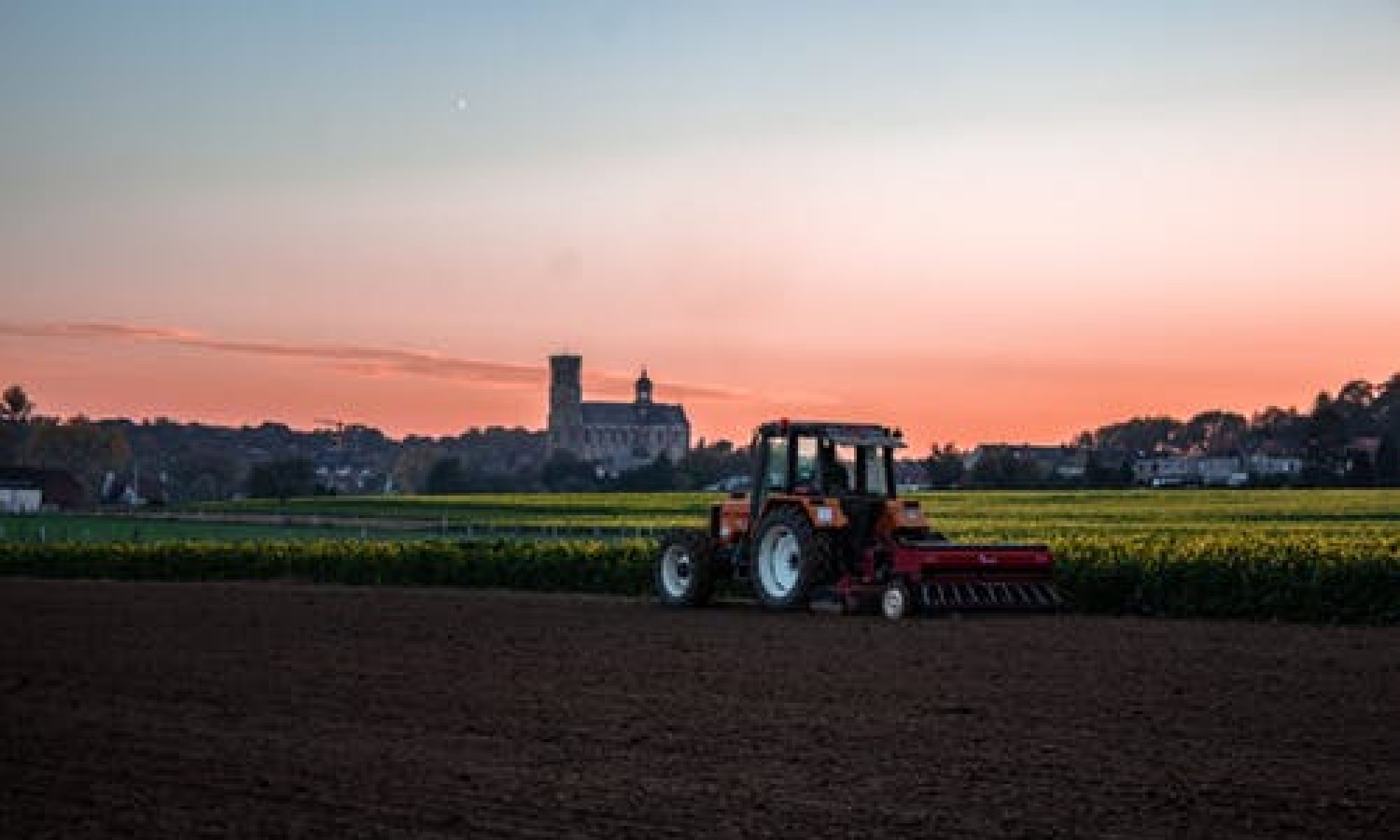

Farmers understand maintenance better than almost anyone. A tractor that runs rough in April can become a serious problem by planting season. A worn belt, cracked hose, dull blade, or loose fitting may not seem urgent at first, but anyone who has worked around farm equipment knows how quickly a small issue can turn into downtime, lost productivity, and a repair bill that arrives at the worst possible moment.
That same thinking applies far beyond the farm. Boats, especially fiberglass boats, require the same kind of steady attention. A small crack in the hull, a dull oxidized surface, a soft spot, or a neglected chip in the gelcoat can look harmless for a while. Then water, sun, vibration, and time begin doing what they always do. The damage spreads. What could have been handled early becomes a bigger and more expensive repair.
This is why maintenance almost always costs less than neglect. Whether the subject is a combine in the field, a pickup used for hauling feed, or a fiberglass boat waiting at the dock, the principle stays the same. Equipment lasts longer when small problems are handled before they become expensive ones.
Farming Equipment Proves the Value of Preventive Maintenance
Modern farming depends on machinery that must work hard under demanding conditions. Tractors, balers, planters, sprayers, harvesters, trailers, pumps, and irrigation systems all take a beating from dust, moisture, heat, weight, vibration, and constant use. Farmers follow agricultural updates from trusted resources like USDA agricultural news because changes in weather, production, policy, and market conditions can affect how they plan the year.
Maintenance fits directly into that planning. A farmer does not wait for a tractor to fail in the middle of a job before thinking about oil, filters, tires, hydraulics, or electrical systems. Preventive care is not just about keeping equipment clean. It is about protecting the work schedule, the crop, the budget, and the long-term value of the machine.
A tractor that is serviced regularly is less likely to leave a farmer stranded during a critical season. A baler that is inspected before heavy use is less likely to break when hay needs to be put up quickly. A planter that is checked before planting season is less likely to cause delays when timing matters. Maintenance is not glamorous, but it is dependable. It keeps the work moving.
That mindset translates perfectly to boat ownership. A fiberglass boat may not be pulling a plow or cutting a field, but it is still exposed to wear, impact, moisture, sunlight, and stress. Just like farm machinery, it rewards the owner who pays attention early.
Small Damage Rarely Stays Small
One of the biggest mistakes with both farm equipment and fiberglass boats is assuming that small damage will stay small. On the farm, a tiny hydraulic leak can lead to poor performance, fluid loss, or a major system failure. A small crack in a tire sidewall can become a blowout. A loose bolt can become a broken bracket. A weak battery can become a machine that will not start when the weather is changing.
Fiberglass boats behave the same way. A small crack in the gelcoat may appear cosmetic, but it can expose the surface to moisture. A chip may seem minor until it grows. A dull finish may look like simple aging, but oxidation can make the surface harder to restore if ignored. A soft area may point to deeper concerns that should be evaluated before more damage develops.
This is where responsible owners benefit from learning more about proper Fiberglass Boat Repair. Early repair can protect appearance, performance, safety, and resale value. Waiting too long often means the repair becomes more involved, more expensive, and more frustrating.
Farming publications such as Successful Farming often highlight the practical side of equipment, markets, land, weather, and decision-making. That kind of practical mindset matters here. The best repair is often the one made before it becomes an emergency.
Weather, Water, and Sun Create Constant Wear
Farmers are always watching the weather because weather affects everything. Rain delays harvest. Drought stresses crops. Heat affects livestock and workers. Freezing temperatures damage equipment and water systems. Agricultural outlets such as Farm Progress cover the daily realities of farming because conditions can change quickly and decisions often need to be made before problems become severe.
Boats face their own weather-related stress. Fiberglass surfaces are exposed to sun, humidity, saltwater, freshwater, temperature swings, and impact from regular use. The sun can fade and oxidize the surface. Water can work into damaged areas. Docking, trailering, debris, and general movement can create chips, scratches, and cracks.
A boat that looks fine at a glance may still need attention. The same is true for farming equipment. A piece of machinery can look strong from a distance while hiding worn parts, fluid issues, or developing mechanical problems. That is why farmers inspect equipment closely, and boat owners should do the same.
Regular cleaning, inspection, polishing, and repair can extend the life of a fiberglass boat. Neglect can shorten that life. The difference often comes down to whether the owner treats maintenance as part of ownership or as something to think about only after damage becomes obvious.
Neglect Is Usually More Expensive Than the Repair
The real cost of neglect is not always the repair bill alone. On the farm, broken equipment can mean lost time, missed weather windows, lower efficiency, and the stress of trying to get parts or service during a busy season. A repair that might have been simple in the off-season can become far more costly when the equipment is needed immediately.
Boat owners experience a similar problem. A small area of fiberglass damage that could have been repaired early may turn into a larger structural or cosmetic issue. A faded surface that could have been restored with routine care may require more aggressive correction later. A damaged area that allows water intrusion may create complications that go beyond appearance.
The comparison is simple. The farmer who replaces a worn belt before harvest usually spends less than the farmer who waits until it breaks in the field. The boat owner who fixes a crack early usually spends less than the owner who lets it spread. Maintenance is not an extra cost. It is a cost-control strategy.
This is also why farmers and landowners pay close attention to long-term planning through sources such as the American Farm Bureau Federation news section. Smart operators think ahead. They understand that small decisions made early can protect bigger investments later.
Equipment Value Depends on Condition
Farm equipment holds value when it is cared for. A clean service history, visible upkeep, and strong operating condition can make a major difference when it is time to sell, trade, or upgrade. Buyers look for signs that the owner paid attention. Rust, leaks, broken panels, worn tires, and neglected service records can all lower confidence.
Boats are no different. Fiberglass condition matters. A boat with a clean, well-maintained finish gives a much better impression than one with chalky oxidation, visible cracks, neglected chips, or rough repairs. Even when two boats are similar in age and model, the one that looks cared for will often create more trust.
The appearance of a fiberglass boat is not just about vanity. It signals how the boat has been treated. A well-maintained exterior suggests that the owner may also have cared for other important systems. A neglected exterior can raise doubts, even if the boat still runs.
That same thinking applies to barns, tractors, trucks, trailers, implements, and irrigation equipment. Maintenance protects usefulness, but it also protects value. In agriculture, where margins and timing matter, that value matters. The same is true for any owner who has invested in a fiberglass boat.
The Farming Mindset Makes Better Boat Owners
Farmers are naturally trained to notice small changes. A machine sounds different. A field drains differently. A gate hangs differently. A tire looks low. A pump cycles strangely. That habit of observation is one of the strongest tools any equipment owner can develop.
Boat owners benefit from the same mindset. A new crack, stain, dull patch, soft spot, scrape, or change in surface texture should not be ignored. The goal is not to panic over every mark. The goal is to notice problems early enough to deal with them sensibly.
Agriculture has always depended on paying attention to patterns, seasons, conditions, and timing. Resources such as AgWeb farm news reflect how much information farmers use to make decisions about markets, crops, livestock, technology, weather, and management. Boat maintenance works best with the same attitude. Good ownership is not random. It is consistent.
A farmer may not love greasing fittings, checking fluids, changing filters, washing equipment, or inspecting parts, but those jobs prevent bigger problems. A boat owner may not always enjoy cleaning the hull, checking the gelcoat, inspecting fittings, or addressing scratches, but those habits protect the boat.
Good Maintenance Builds Trust
Trust matters in farming, business, and boating. A farmer who keeps equipment in good condition builds trust with lenders, buyers, workers, neighbors, and customers. Clean, reliable equipment reflects discipline. It shows that the owner takes the operation seriously.
For boat owners, condition builds trust in a similar way. Family members, guests, buyers, and service providers all notice when a boat has been maintained. A well-cared-for fiberglass boat feels safer, looks better, and gives people more confidence.
Even in broader agricultural education, trustworthy sources help people understand why farming practices and equipment care matter. The Wikipedia page on agriculture offers a broad overview of farming’s role in food production, land use, and human society. That larger context is useful because it reminds us that farming has always relied on stewardship. Land, machinery, livestock, crops, tools, and infrastructure all need care.
Fiberglass boat ownership also involves stewardship. A boat is a valuable asset. It should not be used hard, stored carelessly, and repaired only when something becomes severe. The best owners respect the investment by protecting it.
Maintenance Is a Habit, Not a One-Time Event
The most effective maintenance routines are not complicated. They are consistent. Farmers often build maintenance into the rhythm of the year. Equipment is checked before the busy season, watched during use, cleaned afterward, and repaired before storage. That routine helps prevent surprises.
Boat owners can follow the same rhythm. Inspect the fiberglass before the season begins. Look for cracks, chips, scratches, fading, and areas that feel different. Clean the boat regularly during use. Address small damage as soon as practical. Protect the surface from unnecessary exposure. Inspect again before storing the boat.
A boat that receives steady attention is easier to maintain than one that is ignored for long stretches. The same is true for machinery. It is easier to keep a tractor in good condition than to bring a neglected one back from years of hard use and poor care.
This habit-based approach also reduces stress. Instead of wondering what might go wrong, owners have a clearer picture of condition. They know what has been fixed, what needs attention, and what can wait. That confidence is worth a lot.
Conclusion
From farming equipment to fiberglass boat repair, the lesson is the same. Maintenance costs less than neglect because small problems are cheaper, easier, and less stressful to fix before they spread. Farmers know this because their work depends on reliable equipment, good timing, and smart planning. Boat owners can benefit from that same practical wisdom.
A tractor, baler, sprayer, trailer, or irrigation pump does not take care of itself. Neither does a fiberglass boat. Sun, water, vibration, impact, and time will always leave their mark. The owner’s job is to notice the signs early and respond before damage becomes expensive.
Maintenance protects performance. It protects appearance. It protects safety. It protects value. Most of all, it protects the investment already made. Whether the equipment is working a field or floating at the dock, neglect has a way of sending a bill later. Maintenance pays its way by keeping small issues from becoming large ones.