
Why Would a Farm Need to Buy Plastic Pallets?

Farm News for Buy Plastic pallets

Plastic pallets are becoming a vital investment for farms across the globe—transforming the way agricultural products are stored, handled, and transported. From better hygiene to cost-efficiency and sustainability, plastic pallets offer a long list of advantages that make them far superior to traditional wood pallets, especially in farming environments.

In this article, we’ll explore the reasons why farms need plastic pallets, how they improve operations, and what to look for when buying them. Whether you’re running a small organic farm or managing a large commercial operation, these insights will help you understand how plastic pallets can add long-term value to your agricultural business. 🌽🧑‍🌾


The Evolution of Farm Logistics

Modern farming is not just about growing crops or raising animals—it’s also about optimizing operations, improving safety, and ensuring compliance with industry standards. Logistics and material handling play a massive role in the efficiency of any farm.

Traditionally, wooden pallets were the go-to option. But as farms move toward smarter, cleaner, and more sustainable solutions, plastic pallets have emerged as the better choice.

From food safety regulations to the demand for durability and hygiene, plastic pallets are reshaping how farms operate. Below, we break down the critical reasons why plastic pallets are a smart, strategic buy for farms today.


1. Hygiene and Food Safety Compliance 🧼🍎

Agricultural products, particularly fruits, vegetables, and dairy, are highly sensitive to contamination. Wood pallets can absorb moisture, harbor bacteria, and develop mold—posing a significant risk to food safety.

Plastic pallets, on the other hand, are non-porous and easy to clean. This makes them the perfect solution for maintaining hygiene across the supply chain. Farms that process or ship food products can remain compliant with stringent food safety regulations such as the FDA’s Food Safety Modernization Act (FSMA) (source) and GFSI (Global Food Safety Initiative) (source).

Key Advantages:

  • No splinters, nails, or cracks that trap bacteria

  • Compatible with high-pressure washing and sanitizing

  • Reduces risk of product recalls due to contamination


2. Durability and Longevity 🚜🛠️

Farms are tough environments. Equipment gets banged around, pallets are stacked high, and weather can be unpredictable. Plastic pallets are built for durability. Unlike wood, they don’t warp, rot, or splinter under pressure.

Why it matters for farms:

  • Plastic pallets can last 10+ years with regular use (source).

  • Reduces replacement costs over time

  • Holds up against chemicals, UV rays, moisture, and insects

This makes them ideal for both indoor storage and outdoor handling in any season 🌦️.


3. Lower Lifetime Costs 💰📉

While plastic pallets may cost more upfront than wood pallets, they save farms money in the long run. Their longevity, resistance to damage, and ease of maintenance mean fewer replacements, fewer repairs, and reduced labor costs.

Additionally, reusable plastic pallets can be part of a closed-loop system, which reduces the need to continually purchase new pallets—a game-changer for cost-conscious farms.

Return on investment benefits:

  • Longer service life = lower cost-per-use

  • Reduced downtime from damaged pallets

  • No need for ongoing treatments or repairs


4. Sustainability and Environmental Impact 🌱♻️

Plastic pallets might not sound eco-friendly, but many are made from 100% recycled plastic and are also 100% recyclable at the end of their life. This supports sustainability initiatives in agriculture and helps farms align with ESG goals.

In contrast, wood pallets contribute to deforestation and must often be discarded after a few uses due to contamination or breakage.

According to the U.S. Environmental Protection Agency (EPA), reducing wood waste and reusing materials are key steps in sustainable farming (source).

Eco-benefits of plastic pallets:

  • Reduced landfill waste

  • Made from recycled material

  • Supports circular economy practices


5. Efficiency in Storage and Transport 🚚📦

Plastic pallets are designed for consistent dimensions, which makes stacking and storage much more efficient than with wood pallets, which can vary due to wear or damage.

Farms that ship produce, livestock feed, fertilizers, or equipment parts can benefit from:

  • Better cube utilization in trucks and containers

  • Nesting options for return logistics

  • Lightweight models that reduce shipping costs

This logistical efficiency translates into faster processing and lower fuel consumption, which is essential for modern farm distribution systems.


6. Safer Working Conditions 🦺👷

Splinters, nails, and broken boards can cause workplace injuries—something farms want to avoid at all costs. Plastic pallets offer rounded edges, smooth surfaces, and structural integrity, which create a safer work environment for farmhands and equipment operators.

Additionally, because plastic pallets don’t absorb chemicals or waste, they reduce exposure to harmful substances that might otherwise cling to wood.

Safety benefits include:

  • Lower injury risk for workers

  • Protection for forklifts and tines

  • Less manual handling effort

Investing in safety reduces liability and supports a healthier work culture on the farm.


7. Ideal for Cold Storage and Harsh Weather ❄️☀️

Whether you’re storing vegetables in cold storage or stacking feed under the sun, plastic pallets handle extreme temperatures far better than wood. Wood can swell, crack, or grow mold in damp conditions, while plastic resists all of the above.

This makes plastic pallets an ideal choice for:

  • Refrigerated storage facilities

  • Hot, humid climates

  • Outdoor stacking during seasonal harvests

Their resistance to corrosion and chemical exposure is also useful for storing fertilizers and other sensitive materials.


8. Customization and Automation Compatibility 🤖📏

Plastic pallets can be manufactured to meet specific weight capacities, designs, or automation requirements. For modern farms that use automated systems, conveyor belts, or robotic packaging systems, plastic pallets offer uniformity—a must for machines.

Custom features include:

  • RFID tagging for inventory tracking

  • Colors for product identification

  • Anti-slip surfaces and drain holes

Automation in agriculture is growing rapidly (source), and plastic pallets are built to scale with that growth.


9. Compliance With International Shipping Standards 🌍📦

Wood pallets used in international shipping require heat treatment or fumigation to comply with ISPM-15 regulations (source). Plastic pallets do not. This simplifies export processes for farms sending goods abroad.

Plastic pallets eliminate delays caused by:

  • Quarantine or inspection of untreated wood

  • Certification paperwork for fumigated pallets

  • Risk of introducing pests across borders

For farms engaging in global commerce, this is a practical advantage that speeds up logistics and ensures regulatory compliance.


10. Better ROI When Selling Direct to Consumer (DTC) 🛒🌾

Many farms are now moving into direct-to-consumer (DTC) markets, selling produce, dairy, or value-added products at farmers’ markets or through online subscriptions. Clean, stackable, and professional-looking plastic pallets elevate a farm’s brand appearance and functionality.

Consumers are increasingly conscious of sustainability and cleanliness. Plastic pallets support a polished, sanitary presentation and allow farms to streamline their packing processes when preparing for weekly deliveries.


Conclusion: A Smart, Long-Term Investment for Modern Farms ✅

From safety to sustainability, cost savings to compliance, the advantages to buy plastic pallets for farms are clear. They’re not just an upgrade—they’re a strategic asset that helps farms thrive in a modern, fast-moving agricultural industry.

Whether you’re shipping apples to grocery stores, storing feed in barns, or delivering CSA boxes to homes, plastic pallets provide a clean, durable, and efficient foundation for your operations.

Final Takeaway:
Plastic pallets help farms do more with less—less waste, less risk, less hassle—and more consistency, cleanliness, and cost-efficiency. 💡🚜♻️

If you’re looking to modernize your farm’s logistics and prepare for a future of smarter, safer farming, it’s time to invest in plastic pallets.

Enhancing Agricultural Efficiency: Why Orlando Farms Should Consider Ceramic Tile Flooring

white ceramic floor tile

In the bustling city of Orlando, Florida, where urban life meets rural landscapes, agriculture plays a crucial role in sustaining the local economy and providing fresh produce to its residents. Amidst the vibrant agricultural scene, farm owners constantly seek ways to enhance efficiency, productivity, and sustainability. One often overlooked aspect that can significantly contribute to these goals is the choice of flooring material. In this article, we delve into why Orlando farms should consider ceramic tile flooring as a smart investment for their operations.

Durability and Longevity

Orlando’s agricultural sector operates in diverse environments, from humid climates to muddy fields. Such conditions demand flooring materials that can withstand heavy foot traffic, machinery, and exposure to moisture. Ceramic tiles are renowned for their durability and resilience, making them an ideal choice for farm settings.

Unlike traditional flooring options like concrete or vinyl, ceramic tiles are resistant to scratches, stains, and water damage. This longevity translates to reduced maintenance costs and prolonged lifespan, ensuring that Orlando farms can focus more on their core activities without constant flooring repairs or replacements.

Hygiene and Sanitation

Maintaining a clean and hygienic environment is paramount in agricultural operations, especially when handling crops, livestock, or food products. Ceramic tile flooring offers inherent advantages in terms of hygiene and sanitation.

With its non-porous surface, ceramic tiles are easy to clean and disinfect, minimizing the risk of bacterial contamination and promoting food safety standards. This is particularly crucial for Orlando farms that adhere to strict regulatory requirements or seek certification in organic farming practices.

Thermal Stability and Comfort

Orlando’s subtropical climate brings sweltering heat and occasional temperature fluctuations, posing challenges for farm workers and livestock alike. Ceramic tile flooring provides thermal stability and comfort, enhancing the working conditions within farm facilities.

Unlike materials like concrete that absorb and retain heat, ceramic tiles remain cool to the touch, creating a more comfortable environment for both humans and animals. This feature is especially beneficial in barns, milking parlors, and processing areas where maintaining optimal temperatures is essential for productivity and animal welfare.

Aesthetic Appeal and Brand Image

Beyond functionality, the aesthetic appeal of farm facilities plays a crucial role in shaping brand image and customer perception. Ceramic tile flooring offers a wide range of design options, allowing Orlando farms to elevate their visual appeal and differentiate themselves in the market.

Whether it’s rustic terracotta tiles for a traditional farm aesthetic or sleek, modern finishes for agro-tourism ventures, ceramic tiles offer versatility in design that aligns with the unique branding and identity of each farm. By investing in visually appealing flooring solutions, Orlando farms can attract visitors, enhance product visibility, and strengthen their market position.

Environmental Sustainability

In an era of increasing environmental awareness, sustainability is a key consideration for businesses across all sectors, including agriculture. Ceramic tile flooring aligns well with sustainability goals due to its eco-friendly properties.

Made from natural materials such as clay and minerals, ceramic tiles are inherently sustainable and recyclable. Furthermore, their long lifespan and minimal maintenance requirements contribute to reduced resource consumption and waste generation over time. By opting for ceramic tile flooring, Orlando farms can demonstrate their commitment to environmental stewardship and attract eco-conscious consumers.

Conclusion

In conclusion, the choice of flooring material can significantly impact the efficiency, hygiene, aesthetics, and sustainability of Orlando farms. Ceramic tile Orlando FL flooring emerges as a versatile and practical solution that addresses the unique challenges faced by agricultural operations in the region. From its durability and ease of maintenance to its aesthetic appeal and environmental sustainability, ceramic tiles offer a host of benefits that align with the diverse needs and priorities of Orlando’s farming community. By considering ceramic tile flooring for their facilities, Orlando farms can enhance their productivity, elevate their brand image, and contribute to the continued growth and prosperity of the local agricultural sector.

The Future of Farming: Why Farms Need to Consider Prefab Commercial Buildings


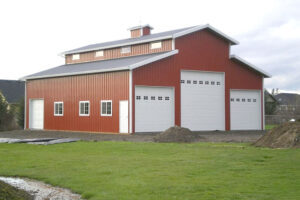
commercial prefab buildings

Farming has been an integral part of human civilization for centuries, providing us with the sustenance and resources needed for our survival. As the global population continues to grow, the demand for food and agricultural products has never been higher. To meet this ever-increasing demand, farmers are constantly seeking innovative solutions to improve efficiency, productivity, and sustainability in their operations.

One such solution that holds great promise for modern agriculture is prefab commercial buildings. These pre-fabricated structures are gaining popularity among farmers for their versatility, cost-effectiveness, and numerous benefits. In this article, we will explore the reasons why farms should seriously consider adopting prefab commercial buildings as an essential part of their operations.

Efficiency and Speed of Construction

Traditional construction methods can be time-consuming and weather-dependent, which can lead to project delays and increased costs. Prefab commercial buildings are designed for quick and efficient construction. These structures are manufactured in a controlled factory environment, allowing for precise measurements and high-quality construction. Once on-site, assembly is typically much faster than traditional construction, reducing downtime and increasing productivity on the farm.

Cost-Effective Solutions

Prefab commercial buildings offer significant cost advantages over traditional construction methods. The streamlined manufacturing process, reduced labor requirements, and shorter construction timelines all contribute to cost savings. Additionally, the materials used in prefab buildings are often more affordable, making them a cost-effective choice for farmers looking to expand or upgrade their facilities without breaking the bank.

Versatility and Customization

Farmers have diverse needs, and prefab commercial buildings can be tailored to meet those specific requirements. Whether it’s a barn for livestock, a storage facility for equipment, or a processing center for produce, prefab structures can be customized in terms of size, layout, and features. This flexibility allows farmers to design buildings that best suit their unique operations.

Sustainability and Eco-Friendly Construction

In today’s world, sustainability is a top priority for many industries, including agriculture. Prefab commercial buildings offer several eco-friendly benefits. The controlled factory environment reduces material waste, and the use of energy-efficient components and construction methods can lead to lower energy consumption and a reduced carbon footprint. Additionally, many prefab structures can be designed with energy-efficient features such as solar panels, rainwater harvesting systems, and natural ventilation, further reducing their environmental impact.

Durability and Longevity

Farmers understand the importance of long-lasting structures. Prefab commercial buildings are constructed with high-quality materials that are designed to withstand the rigors of farm life, including exposure to the elements and heavy use. These buildings are known for their durability, requiring less maintenance and replacement over time, ultimately saving farmers money in the long run.

Scalability and Adaptability

As farms grow and evolve, so do their needs. Prefab commercial buildings can be easily expanded or adapted to accommodate changes in the farming operation. This scalability allows farmers to make cost-effective adjustments as their business expands, eliminating the need for costly and time-consuming renovations or new construction projects.

Improved Hygiene and Sanitation

In agriculture, hygiene and sanitation are crucial to prevent disease outbreaks and ensure the safety of the products being produced. Prefab commercial buildings can be designed with sanitation in mind, featuring easy-to-clean surfaces, proper ventilation systems, and controlled environments that help reduce the risk of contamination. This is especially important for farmers involved in food processing and livestock operations.

Compliance with Regulations

Farming operations are subject to various regulations and codes, including those related to building safety and environmental standards. Prefab commercial buildings are typically designed and manufactured to meet these regulations, making it easier for farmers to obtain necessary permits and approvals. This compliance ensures that the farm operates within legal and environmental guidelines.

Improved Work Conditions for Farm Workers

Prefabricated buildings often come with better amenities and working conditions for farm laborers. Well-ventilated and well-lit structures not only improve comfort and productivity but also contribute to the well-being of the workforce. This can lead to higher job satisfaction, reduced turnover, and a more efficient labor force on the farm.

Enhanced Aesthetics

Aesthetics might not be the first thing that comes to mind when thinking about farm buildings, but the visual appeal of a farm can be important for several reasons. It can enhance the overall image of the farm, create a welcoming atmosphere for visitors, and even contribute to marketing efforts. Many prefab commercial buildings can be customized to match the farm’s aesthetic preferences, blending functionality with a pleasing appearance.

Conclusion

The adoption of prefab commercial building is a promising trend in modern agriculture. These versatile and cost-effective structures offer farmers numerous advantages, including efficiency, cost savings, customization, sustainability, durability, scalability, compliance with regulations, and improved working conditions. As the global population continues to grow, the demand for food and agricultural products will only increase, making it crucial for farmers to explore innovative solutions to meet this demand.

By embracing prefab commercial buildings, farmers can not only streamline their operations and boost productivity but also contribute to a more sustainable and environmentally friendly agriculture industry. The flexibility and adaptability of these structures ensure that they can evolve with the farm’s changing needs and continue to serve as a cornerstone of modern agriculture.

In the ever-evolving world of farming, staying open to new ideas and technologies is essential. Prefab commercial buildings represent a significant step forward in the industry, offering a promising future for agriculture and helping farmers meet the challenges of tomorrow. As farms continue to grow and diversify, prefab commercial buildings may very well become the cornerstone of a more efficient, sustainable, and prosperous agricultural sector.