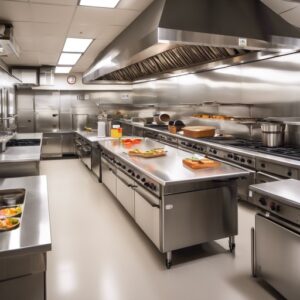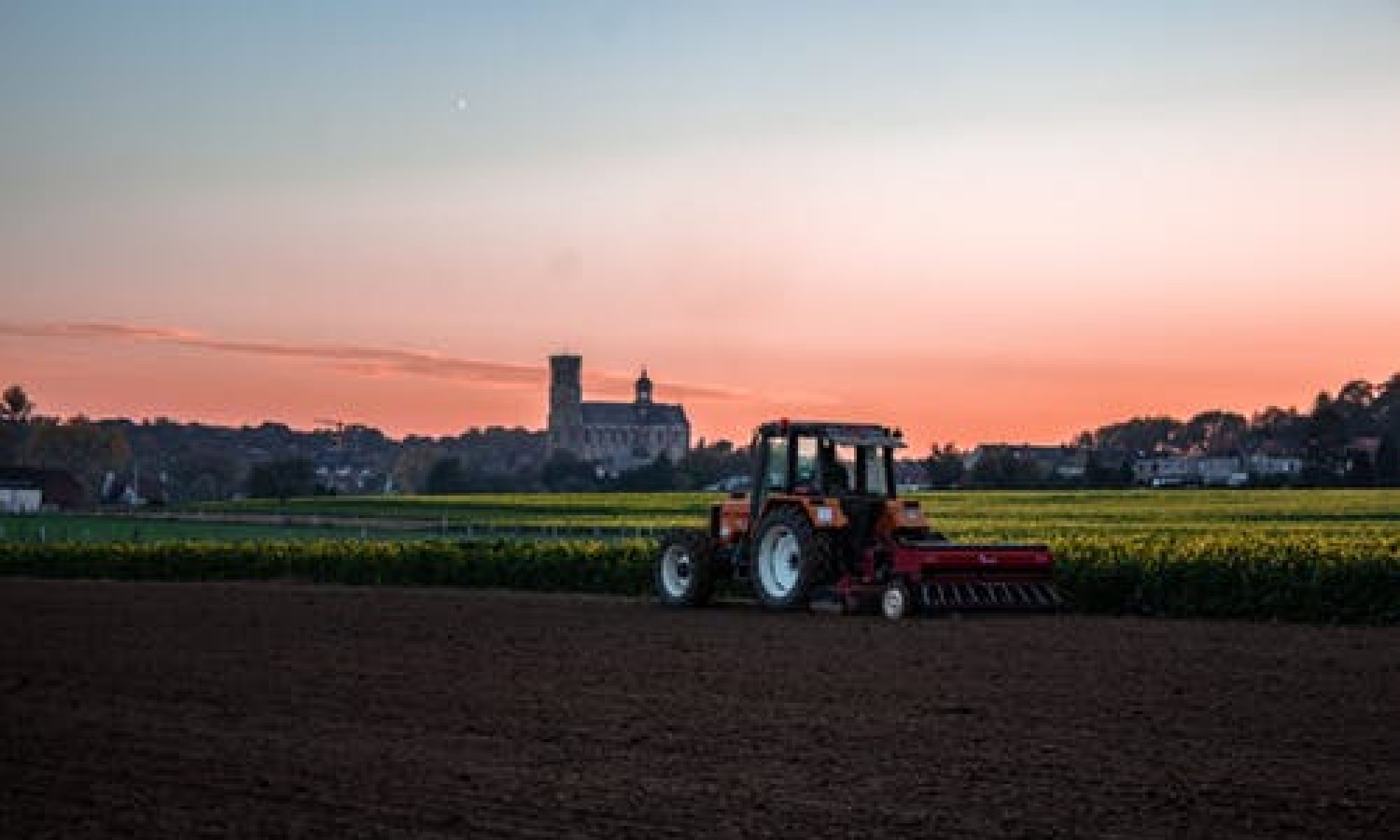
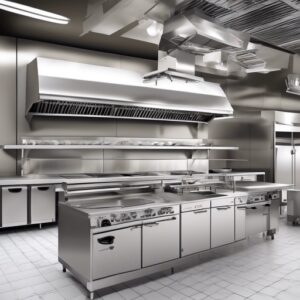
The agricultural landscape in Denver, Colorado, has seen a significant transformation in recent years. With a growing emphasis on sustainable farming practices and local food systems, many farms in the Denver area are diversifying their operations to include direct-to-consumer sales and value-added products. One of the most promising avenues for this diversification is the incorporation of restaurant equipment on the farm. This equipment enables farms to process, prepare, and serve their produce directly to consumers, either through on-site farm-to-table dining experiences, catering services, or value-added products like jams, pickles, and baked goods. This blog post explores the various scenarios and considerations for a Denver farm contemplating an investment in restaurant equipment.
The Evolving Landscape of Farming in Denver
Denver’s agricultural scene is uniquely positioned to benefit from the integration of restaurant equipment. The city’s vibrant culinary culture, coupled with a strong local food movement, creates an ideal environment for farms to engage directly with consumers. The demand for fresh, locally-sourced food has never been higher, and Denver residents are increasingly seeking farm-to-table experiences.
Diversification and Value-Added Products
Expanding Revenue Streams
One of the primary reasons a farm might invest in restaurant equipment is to diversify its revenue streams. Traditional farming is heavily dependent on the growing season and market prices, which can be volatile. By processing their produce into value-added products, farmers can create new income sources that are less susceptible to these fluctuations. For example, a farm that grows berries might invest in equipment to produce jams, jellies, or baked goods, which can be sold year-round.
Meeting Consumer Demand
There is a growing trend among consumers for artisanal, handcrafted food products. Farms that can offer such products are likely to attract a dedicated customer base. Investing in restaurant equipment allows farms to meet this demand and build a brand around their unique offerings. This can include everything from fresh-baked bread and pastries to gourmet sauces and preserves.
On-Site Farm-to-Table Experiences
Creating a Unique Dining Experience
One of the most compelling reasons for a farm to invest in restaurant equipment is to offer on-site dining experiences. Farm-to-table dinners have become increasingly popular, as they provide consumers with a direct connection to the source of their food. These events can range from casual picnics to elaborate multi-course meals, and they offer a unique opportunity for farmers to showcase their produce in a controlled setting.
Enhancing Customer Engagement
Hosting on-site dining events can significantly enhance customer engagement and loyalty. These events allow consumers to see firsthand how their food is grown and meet the people who grow it. This personal connection can foster a deeper appreciation for the farm’s products and encourage repeat business. Additionally, these events can serve as a marketing tool, generating word-of-mouth buzz and media coverage.
Catering Services
Reaching a Broader Audience
Another avenue for farms to consider is catering services. By investing in restaurant equipment, a farm can prepare and deliver high-quality, farm-fresh meals for events such as weddings, corporate functions, and private parties. This not only provides an additional revenue stream but also introduces the farm’s products to a broader audience.
Building Partnerships
Catering services can also help farms build partnerships with local businesses and organizations. By providing catering for local events, farms can establish relationships with event planners, venues, and other businesses, which can lead to repeat business and referrals. These partnerships can be invaluable for expanding the farm’s customer base and enhancing its reputation in the community.
Regulatory Considerations
Understanding Local Regulations
Before investing in restaurant equipment, it’s crucial for farms to understand the local regulations and health codes that apply to food processing and service. In Denver, as in many other places, there are strict guidelines that must be followed to ensure food safety. These regulations can vary depending on the type of food being prepared and the scale of the operation.
Navigating Licensing and Permits
Obtaining the necessary licenses and permits can be a complex process, but it is an essential step for any farm looking to expand into food processing or on-site dining. This may include health department inspections, commercial kitchen certifications, and food handler permits. Farms should allocate time and resources to navigate this process to ensure compliance and avoid potential legal issues.
Financial Considerations
Initial Investment
The initial investment in restaurant equipment can be substantial. Farms need to carefully consider the cost of purchasing and maintaining equipment such as commercial ovens, refrigerators, food processors, and dishwashers. It’s important to create a detailed budget that includes not only the cost of equipment but also installation, maintenance, and potential upgrades.
Return on Investment
While the initial investment can be high, the potential return on investment (ROI) can be significant. By creating new revenue streams and enhancing the farm’s brand, the investment in restaurant equipment can pay off in the long run. Farms should conduct a thorough financial analysis to project potential earnings and determine the viability of the investment.
Marketing and Branding
Building a Brand
Investing in restaurant equipment allows farms to create a distinct brand around their value-added products and dining experiences. This branding can help differentiate the farm from competitors and attract a loyal customer base. Effective branding involves creating a compelling story about the farm’s mission, values, and products, and communicating this story through marketing materials, packaging, and online presence.
Utilizing Social Media and Online Platforms
Social media and online platforms are powerful tools for marketing farm-to-table experiences and value-added products. Farms can use these platforms to share their story, promote events, and engage with customers. Regular updates, high-quality photos, and engaging content can help build a strong online presence and drive sales.
Case Studies and Examples
Successful Farm-to-Table Operations
Several farms in the Denver area have successfully integrated restaurant equipment into their operations. For example, Acreage by Stem Ciders in Lafayette combines a working farm with a cider house and restaurant, offering a unique dining experience that highlights locally-sourced ingredients. Another example is The GrowHaus, an urban farm and marketplace in Denver that offers cooking classes and farm-to-table dinners.
Lessons Learned
These case studies offer valuable lessons for other farms considering a similar investment. Key takeaways include the importance of understanding customer preferences, the benefits of creating a strong brand, and the need to navigate regulatory requirements effectively. By learning from the experiences of others, farms can better prepare for the challenges and opportunities associated with investing in restaurant equipment.
Sustainability and Environmental Impact
Reducing Food Waste
Investing in restaurant equipment can help farms reduce food waste by allowing them to process surplus produce into value-added products. This not only maximizes the use of resources but also aligns with the growing consumer demand for sustainable practices. For example, blemished or overripe fruits can be turned into preserves or baked goods, reducing waste and creating additional revenue.
Supporting Local Food Systems
By offering farm-to-table experiences and value-added products, farms can support the local food system and reduce the environmental impact of food transportation. This local approach can help build a more sustainable food system and promote environmental stewardship. Farms can highlight these efforts in their marketing to appeal to eco-conscious consumers.
Conclusion
The decision to invest in Denver restaurant equipment is a significant one for any farm, but it can offer numerous benefits, from diversifying revenue streams to enhancing customer engagement and supporting sustainability. For farms in Denver, the growing demand for locally-sourced, artisanal food products presents a unique opportunity to expand their operations and connect with consumers in new ways. By carefully considering the financial, regulatory, and operational aspects, farms can successfully integrate restaurant equipment into their business model and thrive in the evolving agricultural landscape.
Investing in restaurant equipment is not just about purchasing new tools; it’s about transforming a farm’s approach to food production and customer engagement. Whether through on-site dining experiences, catering services, or value-added products, this investment can open new doors and create lasting value for farms in Denver and beyond. By embracing this opportunity, farms can play a crucial role in shaping the future of sustainable, local food systems.