The Green Guardian: Why Farms Need to Hire an Arborist

arborists


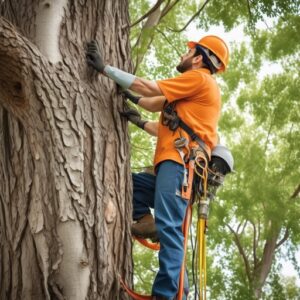
Farms are more than just fields of crops or pastures for livestock; they are complex ecosystems that require careful management to thrive. While farmers often focus on their primary crops or livestock, they may overlook the importance of trees and shrubs on their land. Enter the arborist – the unsung hero of farm management. In this article, we’ll explore why farms need to hire arborists and how their expertise can benefit agricultural operations.

Ecological Balance

Trees play a crucial role in maintaining ecological balance on farms. They provide habitat for wildlife, prevent soil erosion, and contribute to overall biodiversity. However, without proper care and maintenance, trees can become diseased or damaged, leading to negative impacts on the farm ecosystem. Arborists specialize in identifying and treating tree ailments, ensuring that trees remain healthy and vibrant contributors to the farm ecosystem.

Crop Protection

Believe it or not, trees can actually enhance crop yields on farms. They provide shade, which can reduce heat stress on crops during hot summer months. Additionally, trees act as windbreaks, protecting crops from strong winds that can damage or uproot plants. Arborists can strategically plant trees and design windbreaks to maximize their benefits for crop protection, ultimately improving farm productivity.

Pest Management

Trees are not immune to pests and diseases, and when left unchecked, these issues can spread to surrounding crops. Arborists are trained to identify and treat pest infestations in trees, preventing them from spreading to other parts of the farm. By implementing integrated pest management strategies, arborists can help farmers minimize the use of chemical pesticides and maintain a healthier environment for crops, livestock, and humans alike.

Soil Health

Healthy soil is the foundation of a successful farm, and trees play a crucial role in maintaining soil health. Their root systems help to aerate the soil, improve water retention, and prevent erosion. Additionally, trees can sequester carbon from the atmosphere, mitigating climate change and reducing the farm’s carbon footprint. Arborists can advise farmers on tree species selection and planting techniques to optimize soil health and improve overall farm sustainability.

Landscape Aesthetics

Beyond their practical benefits, trees also contribute to the aesthetic appeal of farms. Well-maintained trees can enhance the beauty of the landscape, making the farm more inviting to visitors and potential customers. Arborists can help farmers design and implement landscaping plans that highlight the natural beauty of their property while ensuring that trees remain healthy and structurally sound.

Risk Management

Large trees can pose safety hazards if they become diseased or unstable. Falling branches or uprooted trees can damage structures, equipment, or even injure people or livestock. Arborists are trained to assess tree health and identify potential risks before they escalate into emergencies. By proactively managing tree health and safety, farmers can minimize the risk of accidents and protect their assets.

Conclusion

In conclusion, an arborist play a vital role in farm management, helping farmers to maintain healthy trees and shrubs that contribute to the overall health and productivity of their operations. From ecological balance to crop protection, pest management, soil health, landscape aesthetics, and risk management, arborists bring a wealth of knowledge and expertise to the agricultural sector. By investing in the services of arborists, farmers can ensure that their trees thrive, providing a multitude of benefits for both the farm and the surrounding environment. So, the next time you stroll through a picturesque farm, take a moment to appreciate the silent guardians – the arborists – who work tirelessly behind the scenes to keep the greenery flourishing.
The Role of Aluminum Sheet Metal Fabrication in Modern Farming

precision sheet metal fabrication


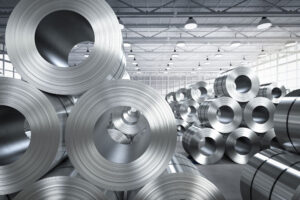
Farming is the backbone of civilization, providing sustenance and resources essential for human survival. Over the centuries, farming has evolved from manual labor to a highly mechanized industry, integrating advanced technologies to increase efficiency and productivity. One crucial aspect of this evolution is the utilization of aluminum sheet metal fabrication in farming operations. In this article, we delve into the significance of aluminum sheet metal fabrication in modern agriculture, exploring its diverse applications and the benefits it offers to farmers.

Structural Components:

Aluminum sheet metal fabrication plays a vital role in the construction of various structural components on farms. From barns and storage facilities to greenhouses and equipment shelters, aluminum sheets offer durability, corrosion resistance, and versatility. These properties make aluminum an ideal choice for constructing structures that endure harsh environmental conditions prevalent in agricultural settings. Furthermore, aluminum’s lightweight nature simplifies assembly and transportation, reducing labor and logistical costs for farmers.

Equipment Manufacturing

Farm equipment manufacturing relies heavily on aluminum sheet metal fabrication due to its exceptional properties. Equipment such as tractors, trailers, and irrigation systems often incorporate aluminum components to enhance performance and longevity. Aluminum’s high strength-to-weight ratio enables the production of lighter yet robust equipment, facilitating fuel efficiency and maneuverability. Moreover, aluminum’s resistance to rust and corrosion ensures equipment durability, minimizing maintenance requirements and prolonging service life.

Irrigation Systems

In modern agriculture, efficient irrigation is essential for maximizing crop yield and conserving water resources. Aluminum sheet metal fabrication plays a crucial role in the manufacturing of irrigation systems, including pipes, fittings, and valves. Aluminum’s corrosion resistance and malleability allow for the fabrication of custom irrigation components tailored to specific farm layouts and water distribution needs. Additionally, aluminum’s thermal conductivity ensures efficient heat dissipation, preventing overheating in irrigation systems exposed to intense sunlight.

Crop Protection

Protecting crops from adverse weather conditions, pests, and diseases is paramount for ensuring agricultural productivity. Aluminum sheet metal fabrication contributes to the production of various crop protection structures, such as row covers, greenhouse frames, and shade nets. Aluminum’s lightweight yet sturdy characteristics make it an ideal material for constructing portable and durable crop protection systems. These structures shield crops from extreme temperatures, wind damage, and pest infestations, creating optimal growing conditions and enhancing yield quality.

Storage and Transportation

Efficient storage and transportation are essential components of the agricultural supply chain, ensuring timely delivery of produce to markets and consumers. Aluminum sheet metal fabrication facilitates the construction of storage bins, silos, and transport containers designed to safeguard harvested crops during storage and transit. Aluminum’s corrosion resistance and hygiene properties maintain the freshness and quality of stored produce, reducing spoilage and waste. Additionally, aluminum’s recyclability aligns with sustainable farming practices, minimizing environmental impact and promoting resource conservation.

Conclusion

In conclusion, aluminum sheet metal fabrication plays a pivotal role in modern farming, contributing to structural construction, equipment manufacturing, irrigation systems, crop protection, and storage/transportation solutions. The exceptional properties of aluminum, including durability, corrosion resistance, lightweight, and recyclability, make it an indispensable material in agricultural applications. As farming continues to evolve with technological advancements, the demand for aluminum sheet metal fabrication will only grow, driving innovation and efficiency in the agricultural industry. By harnessing the potential of aluminum, farmers can enhance productivity, sustainability, and resilience in the face of evolving challenges, ensuring a prosperous future for global agriculture.