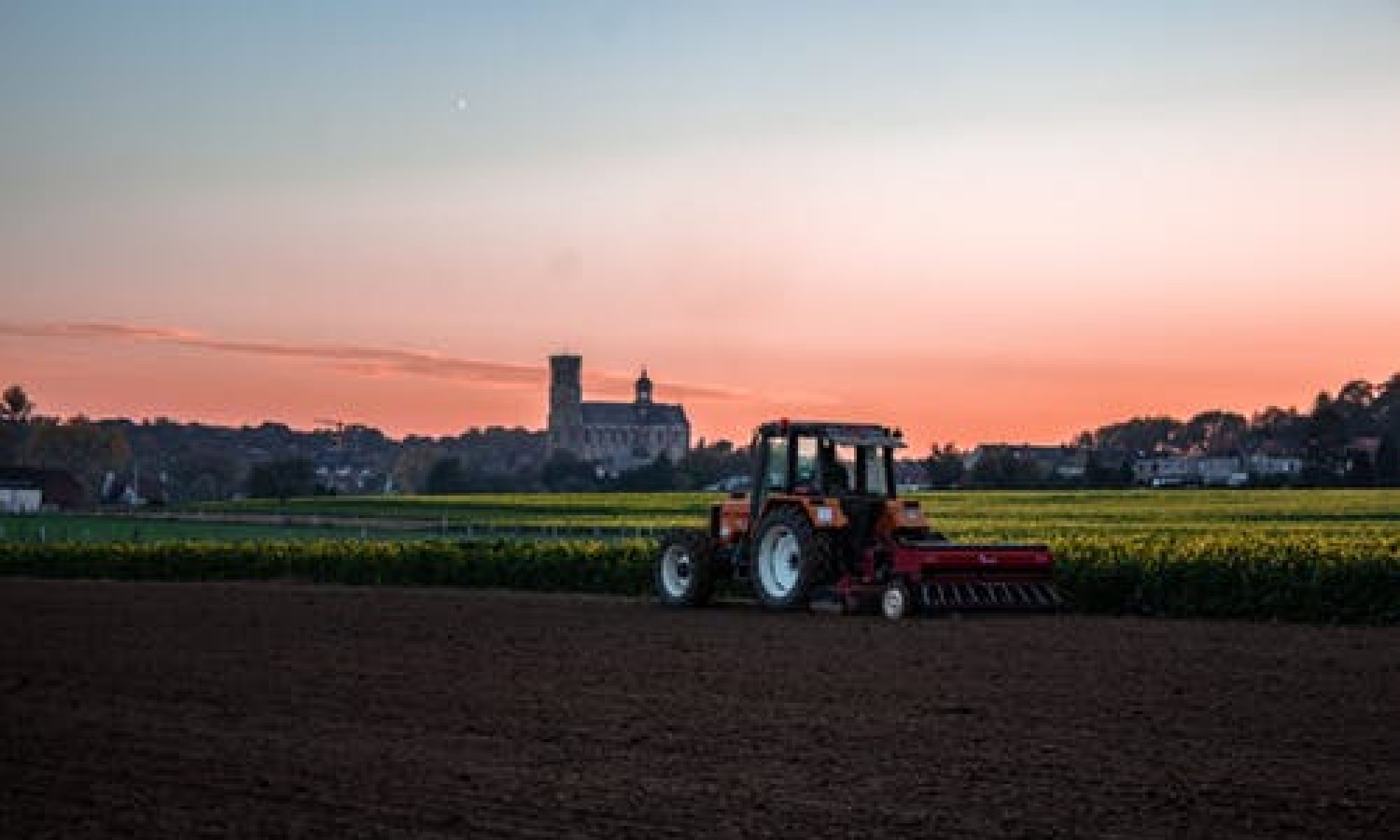
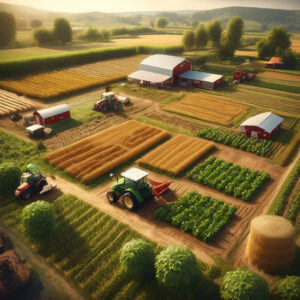
Farms are the backbone of food production, relying heavily on land, water, and infrastructure to sustain their operations. However, water damage—whether from heavy rainfall, flooding, burst irrigation pipes, or poor drainage—can wreak havoc on a farm’s productivity, finances, and long-term viability. Unlike urban or residential water damage, farms face unique challenges due to the scale of their operations, the variety of structures involved, and the critical dependence on soil quality and livestock health.
Water damage restoration on farms requires a multi-faceted approach that goes beyond simple cleanup. It involves soil rehabilitation, infrastructure repair, mold and pathogen control, and future mitigation strategies. Understanding these challenges and implementing effective restoration techniques can help farmers recover swiftly and prevent recurring damage.
Common Causes of Water Damage on Farms
Flooding from Heavy Rainfall and Storms
Many farms are located in flood-prone areas due to their need for flat, arable land. Heavy rainfall and extreme weather events can lead to standing water, soil erosion, and washed-out fields, significantly affecting crop yields.
Poor Drainage Systems
Insufficient drainage can result in water pooling in fields, barns, or storage facilities. Without proper runoff management, excessive water can lead to root rot in crops, soil compaction, and the degradation of farm buildings.
Irrigation Failures
Broken irrigation pipes, faulty pumps, or excessive irrigation can contribute to localized flooding, particularly in large-scale agricultural settings. Overwatering can leach nutrients from the soil, weakening plant health and reducing productivity.
Damaged Infrastructure
Barns, silos, and other farm structures may suffer from roof leaks, compromised foundations, or burst pipes. These issues can escalate water damage, affecting stored crops, machinery, and livestock shelters.
Livestock Waste and Contaminants
Water damage on farms can lead to contaminated runoff, spreading manure, fertilizers, and pesticides into water sources. This not only affects farm operations but also poses environmental and regulatory challenges.
Water Damage Restoration Strategies
Assessing and Containing the Damage
The first step in water damage restoration is a thorough assessment of affected areas. This includes checking fields for soil erosion, examining buildings for structural damage, and testing water sources for contamination. Immediate containment measures may include:
- Creating diversion channels to redirect standing water away from critical areas.
- Pumping out excess water from barns and storage facilities.
- Applying temporary barriers or sandbags to prevent further flooding.
Restoring Soil Health and Crop Viability
Soil recovery is crucial after water damage, as excessive moisture can deplete nutrients, compact the soil, and promote disease. Farmers should implement the following steps:
Soil Testing: Determine nutrient loss and pH imbalances.
Aeration and Tillage: Help restore oxygen levels and improve drainage.
Cover Crops: Planting legumes or deep-rooted plants can aid in soil regeneration.
Organic Matter Addition: Compost or manure can replenish lost nutrients and improve soil structure.
Repairing and Reinforcing Infrastructure
Farm buildings and equipment need immediate attention to prevent long-term deterioration. Restoration efforts include:
Drying and Dehumidifying Structures: Using industrial fans and dehumidifiers to prevent mold growth.
Repairing Foundations and Roofs: Ensuring stability and sealing leaks.
Upgrading Drainage Around Buildings: Installing French drains or grading the land to improve runoff.
Managing Mold, Pathogens, and Contaminants
Moist environments encourage mold growth and bacterial contamination, which can harm crops, livestock, and farmworkers. Steps to mitigate this include:
Sanitizing Storage Areas and Equipment: Using agricultural-grade disinfectants to prevent cross-contamination.
Treating Livestock Areas: Ensuring that bedding and feeding areas remain dry and free of mold.
Monitoring Water Quality: Regularly testing wells and irrigation systems for pollutants.
Strengthening Future Water Management Practices
To prevent future water damage, farms should implement sustainable water management techniques:
Improved Drainage Systems: Installing tile drainage, retention ponds, or grass waterways to direct runoff effectively.
Rainwater Harvesting: Capturing and storing rainwater for controlled irrigation.
Flood-Resistant Crop Selection: Choosing resilient plant varieties that can withstand excessive moisture.
Emergency Preparedness Plans: Establishing protocols for flood response, including evacuation routes and equipment protection.
Conclusion
Water damage on farms presents complex challenges that require immediate and strategic intervention. From assessing the extent of damage to restoring soil health, repairing infrastructure, and implementing long-term mitigation strategies, farmers must adopt a comprehensive approach to recovery. Investing in improved drainage, sustainable land management, and resilient farming techniques will not only help restore damaged farms but also enhance their long-term sustainability. With climate change increasing the frequency and severity of extreme weather events, proactive water damage restoration and prevention are more critical than ever for the agricultural industry.