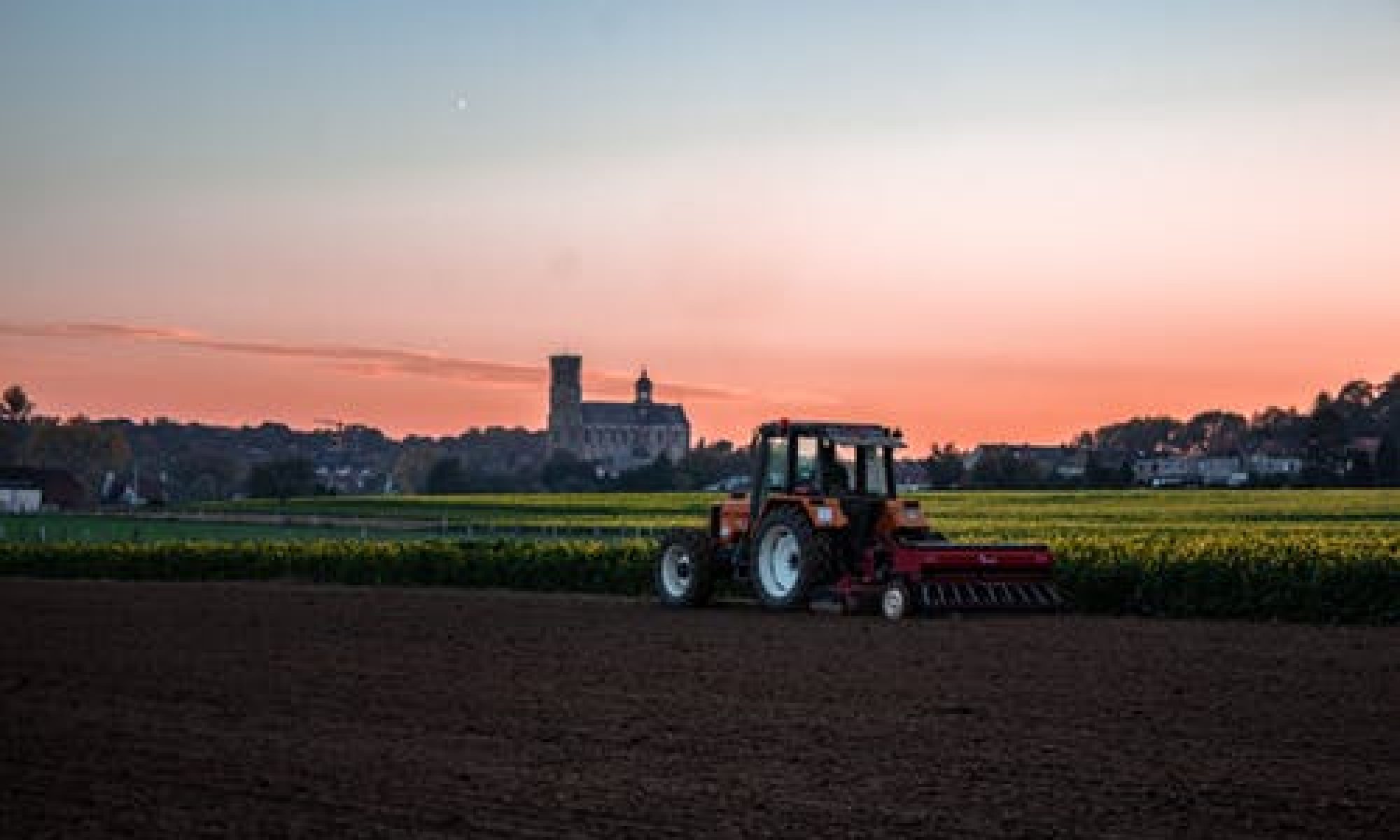
A farm home in Chappell Hill should never feel like a house that was copied from a subdivision plan and dropped onto acreage. It should feel rooted in the land, shaped by the daily rhythm of work, and built to support the people who live there through every season. Texas agriculture is not a niche part of the state’s identity. It is one of the defining forces behind its economy, culture, and land use, which is exactly why building on farm property requires more thought than building on a standard residential lot. A quick look at Agriculture in Texas and USDA’s Texas State Agriculture Overview makes that clear.
A Farm Home Should Fit the Land, Not Fight It
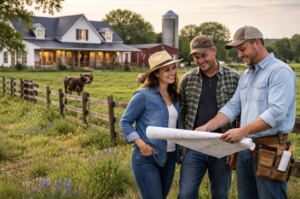
When someone owns a farm in Chappell Hill, the home becomes part of a larger working environment. It is not only a place to sleep at night. It is where mornings begin before sunrise, where boots come off after long days, where business conversations happen at the kitchen table, and where the family regroups between weather changes, planting schedules, livestock needs, deliveries, and repairs. That kind of property deserves a home that supports the lifestyle instead of interrupting it.
The right builder understands that a farm home has different priorities. Orientation matters because sunlight, heat, views, and prevailing wind can all affect comfort and energy use. Access matters because trucks, trailers, feed deliveries, and equipment should not have to compete with a cramped driveway designed for suburban traffic. Storage matters because farm life creates real-world needs for utility rooms, mudrooms, durable finishes, covered exterior spaces, and flexible square footage. A good design will not only look beautiful from the road. It will make the property easier to live on.
That is why working with a custom home builder Chappell Hill TX matters so much for farm owners. A custom builder can shape the home around the land, the family’s goals, and the way the property actually functions day to day. On a farm, that kind of alignment is not a luxury. It is smart planning.
Texas Farming Realities Make Better Home Planning Even More Important
Across Texas, agriculture continues to face real pressures, including weather uncertainty, shifting commodity relationships, input costs, and policy issues that directly affect producers. Texas A&M AgriLife recently reported that row crop producers are heading into planting seasons with early weather uncertainty and ongoing economic pressure, while Texas Farm Bureau has continued covering the push from Texas farmers and ranchers for a long-overdue farm bill. Those realities matter because they remind landowners that every major investment on a farm should be intentional, durable, and built for the long term. You can see that broader context in Texas drought, shifting markets shape 2026 crop outlook and Texas farmers press for farm bill on Capitol Hill.
A house on a farm is not separate from those realities. It is part of the farm’s long-range infrastructure. When a builder understands that, the conversation changes. The home is no longer planned like a trendy project that only needs to photograph well. It is planned like a meaningful investment that needs to hold up over time, respect the land, and add daily value to the people who live there.
That means choices such as rooflines, porches, drainage planning, site elevation, material selection, floor plan flow, and energy efficiency need to be considered with more care. The wrong builder may focus only on square footage and finish packages. The right one will think about utility, maintenance, durability, access, comfort, and how the home will perform over the next ten, twenty, or thirty years.
Farm Owners Need More Than a Pretty Floor Plan
A beautiful house is important, but a farm family usually needs more than beautiful. They need practical elegance. They need a home that feels elevated without becoming fragile. That may mean a kitchen that can truly handle gatherings, preserving, or feeding a crew during busy periods. It may mean a laundry and utility setup that keeps the mess of country living from taking over the main living space. It may mean a primary suite with views of the property, a porch that becomes a daily retreat, or guest space that allows extended family to stay comfortably during holidays, harvest seasons, or special events.
The right custom builder also understands how to create visual harmony between the home and the property around it. On a farm, the house should feel like it belongs there. The architecture should not look disconnected from the barns, fencing, open land, or natural character of the setting. It should feel established, grounded, and timeless. That is especially important in a place like Chappell Hill, where charm, land ownership, and pride of place all matter.
A generic builder may offer a standard plan and make small cosmetic edits. That is not the same as true custom work. A real custom approach studies how the family lives, how the land lays out, what future plans are in view, and what kind of legacy the owners are trying to create. A farm property deserves that level of care because the home will likely become one of the most visible and meaningful parts of the entire estate.
The Best Builders Understand Legacy, Not Just Construction
For many farm owners, the house is not only for today. It is for the next chapter of the family’s story. It may become the place where children grow up learning the value of work, where grandchildren gather for holidays, or where aging parents are welcomed close to home. A farm often carries emotional and generational weight, which means the house built on it should honor more than a budget and a blueprint.
That is one reason Texas agricultural reporting matters. Official and industry coverage from sources like Texas Department of Agriculture News & Events and Farm & Ranch coverage from Texas A&M AgriLife regularly reflects how closely land, production, stewardship, and rural community remain tied together across the state. When you understand that larger picture, it becomes easier to see why a farmhouse should be designed with permanence and purpose rather than short-term trends.
Legacy-minded building shows up in both big and small decisions. It shows up in floor plans that can adapt over time. It shows up in materials selected for longevity instead of novelty. It shows up in windows placed to capture meaningful views rather than random ones. It shows up in outdoor spaces that welcome conversation after work is done. It shows up in details that make the house feel warm, usable, and worth passing down.
When the builder understands that mindset, the project becomes far more personal. The process is no longer just about delivering a completed structure. It becomes about shaping a home that strengthens the life already being built on the land.
A Well-Built Farm Home Adds Daily Value Beyond Resale
People often talk about home building in terms of resale value, but that is too narrow for a farm property. The real value of the right home is found in how it improves everyday living. It can reduce frustration. It can make routines smoother. It can protect peace at home. It can support hospitality. It can make a demanding lifestyle feel more sustainable and rewarding.
A badly designed house on a farm creates friction. Traffic flow feels wrong. Storage is never enough. Entry points become cluttered. Outdoor living is underused. The home feels disconnected from the property. Repairs come sooner than expected. Over time, the owners feel that the house was built without understanding them.
A well-designed custom home does the opposite. It creates calm. It fits the land. It supports both work and rest. It gives the property a stronger sense of identity. It can even make the farm more enjoyable for the entire family because the house stops being an obstacle and starts becoming an asset.
That kind of value cannot be measured only by price per square foot. It is measured in the way the home serves the people who live there every day.
Choosing the Right Builder Protects the Character of the Property
Chappell Hill farm owners are not usually trying to create something generic. They are often building because they want something personal, lasting, and aligned with the kind of life they value. That makes builder selection one of the most important decisions in the process.
The right builder listens before drawing. The right builder respects the land before trying to impose on it. The right builder understands that rural properties come with different practical needs and a different emotional meaning. The right builder knows that a farm home should feel substantial, welcoming, and connected to the property’s identity.
That kind of builder also helps protect against expensive mistakes. Poor siting, weak material choices, impractical layouts, and design decisions that ignore country living can all create regret later. A thoughtful custom builder helps reduce that risk by bringing strategy into the project from the beginning.
Conclusion
A farm in Chappell Hill TX deserves more than a standard house plan and a builder who treats the land like just another lot. It deserves a home that fits the property, supports the family, and reflects the long-term value of rural living. In a state where agriculture continues to shape communities, land use, and economic life on a massive scale, farm owners should expect their homes to be planned with the same seriousness and intention they bring to the rest of their property. Texas remains home to roughly 229,000 farms covering about 125 million acres, which underscores just how significant well-planned agricultural land and rural living remain across the state.
The right custom home builder helps turn that vision into something real. Not just a house that looks good when it is finished, but a home that truly belongs on the land, works for the people who live there, and stands as a lasting part of the farm’s future.