Why Business Courses Are Essential for Farms: Enhancing Sustainability and Success

business course near me

In today’s complex agricultural landscape, running a successful farm goes beyond traditional farming practices. It requires robust business acumen to navigate financial challenges, market fluctuations, and operational complexities effectively. This blog explores why business courses are crucial for farms, offering insights into how they can enhance sustainability and overall success.

Understanding Financial Management

One of the foundational aspects of running a farm is sound financial management. Business courses equip farmers with essential skills in budgeting, financial planning, and risk management. They learn how to analyze costs, optimize cash flow, and make informed financial decisions that are critical for long-term sustainability.

Strategic Marketing and Market Analysis

Effective marketing is essential for farms to reach their target audience and maximize profitability. Business courses teach farmers how to conduct market research, identify consumer trends, and develop marketing strategies tailored to their products. Understanding these principles helps farms differentiate themselves in a competitive market and build a loyal customer base.

Operational Efficiency and Resource Management

Optimizing operational efficiency is key to reducing costs and maximizing productivity on a farm. Business courses cover topics such as supply chain management, logistics, and resource allocation. Farmers learn techniques to streamline processes, minimize waste, and utilize resources effectively, ultimately improving profitability and sustainability.

Legal and Regulatory Compliance

Navigating the legal and regulatory landscape is essential for farms to operate smoothly and avoid potential pitfalls. Business courses provide insights into agricultural laws, regulations, and compliance requirements. Farmers learn about permits, environmental regulations, labor laws, and food safety standards, ensuring they operate within legal boundaries and uphold industry standards.

Strategic Planning and Decision-Making

Strategic planning is crucial for setting long-term goals and guiding the growth of a farm. Business courses teach farmers how to develop strategic plans, assess market opportunities, and adapt to changing economic conditions. They learn decision-making frameworks that consider both financial implications and broader strategic objectives, empowering them to make informed decisions that drive sustainable growth.

Innovation and Adaptation

The agricultural industry is evolving rapidly with technological advancements and changing consumer preferences. Business courses encourage innovation and adaptation by exposing farmers to new technologies, market trends, and sustainable practices. They learn how to integrate innovation into their operations, from precision farming techniques to sustainable agriculture practices, ensuring their farm remains competitive and resilient in a dynamic environment.

Conclusion

In conclusion, business courses near me play a pivotal role in equipping farmers with the necessary skills and knowledge to succeed in today’s agricultural industry. From financial management and strategic marketing to operational efficiency and regulatory compliance, these courses provide a comprehensive foundation for sustainable farm management. By investing in business education, farmers can enhance profitability, mitigate risks, and contribute to the long-term viability of their farms. Embracing business principles not only fosters growth and innovation but also ensures farms thrive amidst challenges and opportunities in the modern agricultural landscape.

By prioritizing business education, farms can position themselves as leaders in their markets, driving economic growth and promoting sustainable practices that benefit both the industry and the community.

Why a Miami, FL Farm Needs SEO Optimization

seo companies near me

In today’s digital era, even the most traditional industries, like farming, must adapt to changing trends to stay competitive. While farming may seem far removed from the world of digital marketing, it’s becoming increasingly apparent that SEO (Search Engine Optimization) is crucial for agricultural businesses. SEO can help farms in Miami, FL, stand out in a crowded market, connect with local consumers, and expand their reach beyond the local community. But why exactly does a Miami farm need SEO optimization? This blog post will explore the unique benefits and reasons why SEO can play a vital role in the success of a farm in Miami, FL.

Reaching Local Customers

One of the most significant reasons a Miami farm needs SEO optimization is to reach local customers more effectively. With SEO, farms can optimize their websites and online content to rank higher in search engine results when people in the Miami area search for terms like “fresh produce Miami,” “local organic farm,” or “Miami farmers markets.”

SEO strategies, such as local SEO, ensure that a farm appears in local search results and Google Maps listings. This increases the likelihood that potential customers nearby will find the farm when they search online. By optimizing for local search terms and maintaining updated Google My Business (GMB) profiles, farms can attract more customers to their markets, farm stands, or online stores.

Building Brand Awareness and Credibility

SEO is not just about driving traffic; it also builds brand awareness and credibility. When a Miami farm ranks higher in search results, it creates an impression of authority and reliability. Consumers are more likely to trust businesses that appear at the top of search engine results, perceiving them as leaders in their field.

By using SEO to target the right keywords, produce valuable content, and maintain an active online presence, a farm in Miami can establish itself as a reputable source of fresh, local produce or specialty items like organic honey, exotic fruits, or farm-to-table dairy products. Regularly updating a blog or sharing farming tips, recipes, or seasonal produce information can help build trust and a loyal customer base.

Promoting Sustainable and Organic Practices

Miami is a hub for eco-conscious consumers who prioritize sustainability, organic produce, and environmentally-friendly practices. SEO can help a farm emphasize its commitment to these values. By optimizing their website for keywords related to sustainable farming, organic produce, and eco-friendly practices, Miami farms can attract customers who are searching for these qualities.

Content marketing, a critical part of SEO, allows farms to tell their unique story — from their farming methods to their environmental impact. For example, a blog post about “Sustainable Farming in Miami: How We Grow Organic Tomatoes Without Pesticides” can rank in search results and draw in eco-conscious consumers. This type of content reinforces the farm’s brand and appeals directly to a target audience interested in sustainability.

Expanding Market Reach Beyond Miami

While local customers are crucial, SEO also allows Miami farms to reach customers beyond their immediate geographic location. The global shift toward online shopping, accelerated by the COVID-19 pandemic, has created opportunities for farms to sell their products online. SEO can help a farm’s website rank for broader terms like “buy fresh mangoes online” or “order Florida oranges.”

By using effective SEO practices, such as long-tail keywords, content marketing, and link building, farms can attract customers from other cities, states, or even countries who are looking for unique products that the farm offers. This expands the market reach and opens new revenue streams beyond traditional in-person sales.

Competing in a Crowded Market

Miami is home to a diverse and competitive agricultural market. Whether it’s exotic fruits, vegetables, dairy products, or flowers, numerous farms are vying for the attention of the same pool of consumers. SEO gives farms a competitive edge by ensuring they rank higher than competitors in search results for relevant queries.

A Miami farm can outperform competitors by leveraging SEO techniques, such as improving website speed, optimizing mobile usability, using effective meta descriptions and title tags, and implementing schema markup. All these efforts enhance the farm’s online presence and visibility, which can directly impact consumer choices and increase sales.

Driving Traffic to On-Site Events and Agritourism

Agritourism is a growing trend, especially in areas like Miami, where the weather is favorable year-round. Many farms host events like “pick your own” fruit days, farm-to-table dinners, educational tours, or seasonal festivals. These activities not only generate additional income but also help in building community relations.

SEO can help promote these events to a broader audience by targeting relevant keywords such as “farm tours Miami” or “U-pick strawberries Miami.” Optimizing the farm’s website and creating event-specific landing pages can ensure that these activities reach interested locals and tourists searching for unique experiences. Additionally, SEO strategies can help the farm show up on popular event listing websites and local guides.

Enhancing Social Media Strategy

SEO doesn’t just benefit a website; it can also enhance a farm’s social media strategy. By understanding which keywords and topics are trending, a farm can create more engaging social media content that resonates with its audience. Social media profiles, especially when optimized with SEO best practices, can appear in search results, increasing visibility and engagement.

Integrating SEO with social media also enables Miami farms to connect with influencers or local food bloggers, leading to valuable partnerships and backlinks. Sharing SEO-optimized content across social platforms can drive traffic back to the farm’s website, increasing the chances of conversions, whether for event bookings, CSA (Community Supported Agriculture) subscriptions, or direct product sales.

Improving Customer Experience

SEO is not just about search engines; it’s about people. A good SEO strategy focuses on delivering a better experience for the website visitor. This includes improving site speed, ensuring mobile compatibility, and creating high-quality content that answers user queries.

For a Miami farm, this means potential customers can easily find information about products, pricing, events, and contact details. A user-friendly website that loads quickly and is easy to navigate can significantly increase the chances of converting visitors into customers. Additionally, positive user experiences can lead to more positive reviews and higher local search rankings.

Data-Driven Decision Making

SEO provides valuable data and insights into customer behavior, preferences, and trends. By analyzing this data, a Miami farm can make informed decisions about what products to promote, which keywords to target, or what content resonates most with its audience. For instance, if data shows a high search volume for “organic honey Miami,” the farm might decide to produce more honey or focus its marketing efforts on that product.

Tools like Google Analytics, Google Search Console, and other SEO platforms allow farms to track their performance and adjust their strategies accordingly. This data-driven approach ensures that the farm’s marketing efforts are efficient and effective, maximizing return on investment (ROI).

Cost-Effective Marketing

Compared to traditional marketing methods, SEO is a cost-effective way to reach a larger audience. Paid advertising, billboards, or print media can be expensive and have limited reach. In contrast, SEO focuses on organic traffic, meaning the farm’s website can attract visitors without the ongoing cost of paid ads.

While SEO requires an initial investment in time and resources, the long-term benefits can far outweigh these costs. Once a farm’s website is optimized and ranks well, it can continue to attract organic traffic for months or even years with minimal maintenance, providing a steady stream of potential customers.

Conclusion

In a city as dynamic as Miami, farms must adapt to the digital age to thrive. SEO optimization Miami FL offers a range of benefits that can help a farm reach local customers, build brand awareness, promote sustainable practices, expand market reach, and improve overall marketing efforts. By leveraging SEO, farms can stay competitive in a crowded market, enhance customer experience, and make data-driven decisions that drive growth. Whether a farm is selling fresh produce, offering agritourism experiences, or promoting sustainable farming methods, SEO can be the key to unlocking its full potential in the digital landscape.

For any farm in Miami, SEO is not just a tool but a necessity for growth and sustainability in an increasingly online world.
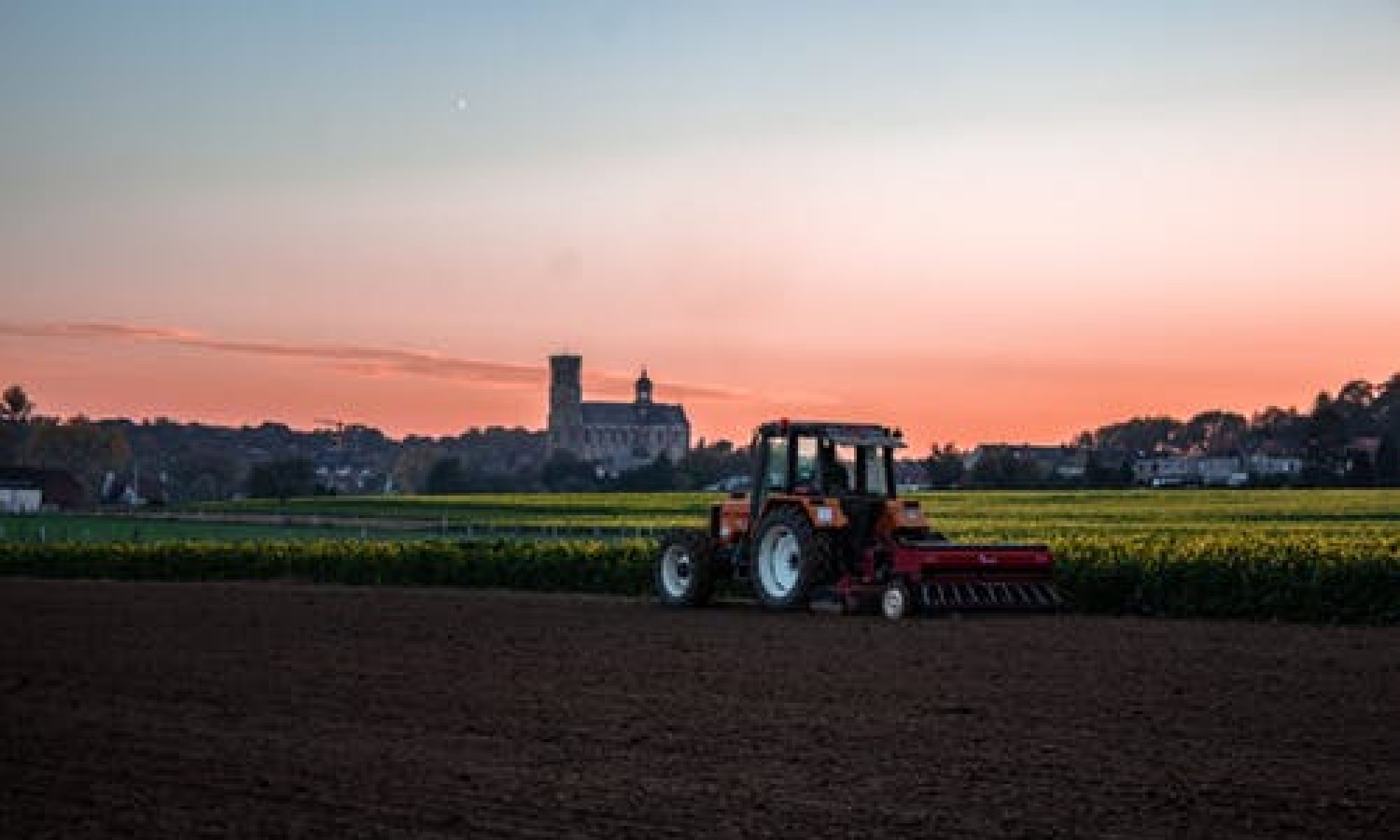

Understanding the Importance of Suicide Cleanups on Farms

death cleanup services

Farming is often associated with vast open fields, the rhythmic hum of machinery, and the tranquility of rural life. Yet, beneath this serene exterior lies a complex world fraught with its own set of challenges. One of these challenges, though rarely discussed, is the need for specialized suicide cleanup services. The emotional, logistical, and legal aspects of dealing with a suicide on a farm can be overwhelming. This blog post delves into why farms specifically need suicide cleanup services, examining the unique factors that make these services crucial in a rural setting.

The Unique Environment of Farms

Farms are distinct from other types of properties in several ways. These differences can impact how a suicide cleanup is handled:

Isolated Locations: Farms are often located in remote areas, far from the immediate reach of emergency services. This isolation can delay the response time and increase the urgency for specialized cleanup services.

Large and Varied Spaces: Farms typically have extensive grounds that include living quarters, barns, animal pens, and storage buildings. A suicide occurring in such a diverse environment requires a thorough understanding of how to manage different types of spaces and surfaces.

Presence of Animals: Farms are home to various animals, from livestock to pets. These animals can be exposed to biohazards from a suicide scene, necessitating careful handling to ensure their safety and well-being.

Involvement of Family: Many farms are family-run businesses, meaning that the emotional and psychological impact of a suicide can be deeply felt across generations. The cleanup process must be handled with sensitivity to avoid further distress.

The Importance of Professional Suicide Cleanup Services

Health and Safety Concerns

The primary reason for hiring professional suicide cleanup services is to ensure the health and safety of everyone on the property. Suicide scenes often involve biological hazards such as blood and bodily fluids, which can pose serious health risks if not properly sanitized. Professionals use specialized equipment and cleaning agents to decontaminate the area, reducing the risk of infection and disease.

Comprehensive Cleaning and Disinfection

Beyond just cleaning visible areas, professionals conduct thorough disinfection to eliminate pathogens that may not be immediately apparent. This includes addressing hidden areas where fluids may have seeped, such as behind walls or under flooring. The goal is to ensure that all traces of biohazards are removed, restoring the property to a safe condition.

Adherence to Legal and Regulatory Standards

Suicide cleanup is subject to strict regulations and standards. Professional cleanup companies are knowledgeable about local, state, and federal guidelines and ensure compliance. This is crucial for avoiding legal issues and ensuring that the cleanup is carried out according to industry best practices.

Sensitive Handling of Personal Belongings

On a farm, personal and valuable items such as family heirlooms, farm equipment, and personal belongings may be affected. Professionals handle these items with care, ensuring that they are cleaned or removed as needed without causing additional distress to the family.

Emotional and Psychological Support

Alleviating Stress for Farm Families

The emotional toll of a suicide is immense, and the added stress of managing the cleanup can be overwhelming for farm families. Professional cleanup services alleviate this burden by managing the logistics of the cleanup, allowing family members to focus on their emotional recovery.

Confidential and Respectful Service

Suicide is a deeply personal and sensitive matter. Professional cleanup companies approach their work with the utmost confidentiality and respect, ensuring that the family’s privacy is maintained throughout the process. This respectful approach helps to preserve the dignity of the deceased and provides some comfort to the grieving family.

Financial and Logistical Considerations

Cost of Cleanup Services

While the cost of professional suicide cleanup services can be significant, it is an essential investment in the safety and well-being of everyone involved. Insurance may cover some of these costs, and professional companies can assist with navigating insurance claims.

Coordination with Other Services

Suicide cleanup often involves coordination with other services, such as law enforcement, emergency responders, and mental health professionals. Professional cleanup companies are experienced in working with these entities, ensuring a smooth and efficient process.

The Long-Term Impact

Preserving the Farm’s Functionality

Farms are functioning businesses, and maintaining their operational integrity is crucial. A professional cleanup ensures that the property is restored to a condition where it can continue to be used for its intended purposes, whether for farming activities or as a residence.

Supporting Mental Health and Recovery

The aftermath of a suicide can have long-lasting effects on mental health. Professional cleanup services contribute to the overall recovery process by providing a clean and safe environment, which is a crucial step in the healing journey for families.

Conclusion

The need for suicide cleanups service on farms is a critical, though often overlooked, aspect of managing the aftermath of a tragic event. Farms present unique challenges due to their size, isolation, and the presence of animals, making specialized cleanup services essential for ensuring health, safety, and emotional well-being. Professional cleanup companies not only address the physical aspects of the cleanup but also offer vital support to families during an incredibly difficult time. By understanding and addressing these needs, we can ensure that farm families receive the care and support they deserve as they navigate through the aftermath of a suicide.

Enhancing Farm Life: Why Farmers Need Drink Floats

floating cup holder


Farming isn’t just a job; it’s a lifestyle that requires dedication, resilience, and often long hours spent outdoors under the sun. In the midst of managing crops, livestock, and various tasks, staying hydrated is crucial for maintaining energy and focus. One ingenious solution that can significantly enhance a farmer’s daily routine is the humble drink float. This article explores why drink floats are more than just a beach accessory—they’re a practical tool for farmers.

Hydration Efficiency

Farmers spend hours working in all weather conditions, from scorching heat to chilly mornings. Having a drink float ensures that their hydration source is close at hand, whether it’s water to quench their thirst or a refreshing beverage to keep them going. This efficiency saves time otherwise spent walking back and forth to retrieve drinks, allowing farmers to focus more on essential tasks.

Practicality in the Field

Imagine a farmer checking on crops or tending to livestock in the middle of a vast field. A drink float keeps beverages secure and within reach, preventing spills and ensuring that hydration is always accessible. This practicality extends to various farm activities, from operating machinery to repairing fences, where having a drink nearby can be a much-needed refreshment during breaks.

Long Workdays and Stamina

Farming demands physical endurance and mental alertness throughout extended workdays. A drink float provides a convenient solution for maintaining stamina by encouraging regular hydration breaks. Dehydration can lead to fatigue and decreased productivity, making it essential for farmers to have easy access to drinks throughout their day.

Weather Resilience

Weather conditions can change rapidly on the farm, from intense sunlight to sudden rain showers. Drink floats designed with weather-resistant materials ensure that beverages remain protected from the elements. Farmers can rely on these floats to keep their drinks secure and unaffected by rain, wind, or dust, ensuring that every sip remains refreshing and safe to consume.

Stress Relief and Comfort

Farming can be stressful, with constant challenges and the need to juggle multiple responsibilities. Taking short breaks with a drink float nearby provides farmers with moments of relaxation and comfort. Whether enjoying a cold drink during a brief pause or savoring a warm beverage on a chilly day, these moments contribute to overall well-being and morale.

Community and Social Interaction

Farmers often work in teams or alongside family members, fostering a sense of community and shared responsibility. Drink floats can encourage social interaction during breaks or meal times, allowing farmers to connect over a drink and share insights or simply unwind together. This social aspect strengthens bonds and supports a collaborative farming environment.

Conclusion

In conclusion, a drink float is more than a luxury; they are a practical necessity for farmers looking to enhance their efficiency, maintain hydration, and improve overall comfort during demanding workdays. By providing easy access to beverages in various weather conditions and promoting moments of relaxation, drink floats contribute to the well-being and productivity of farmers everywhere. Whether on a small family farm or a large agricultural operation, investing in a quality drink float is a simple yet invaluable decision that can positively impact daily farm life.

Why Would a Houston Farm Need Kitchen Remodeling?

kitchen remodel near me

Houston farms have a rich history, deeply rooted in tradition and agriculture. These farms are the backbone of local food production, contributing to the vibrant food culture of the region. However, to keep up with the evolving needs of the farming community and modern living standards, many farmhouses in Houston require significant updates, particularly in the kitchen. The kitchen is the heart of any home, and on a farm, it serves as the central hub for preparing meals, preserving produce, and fostering family gatherings. This blog post explores the reasons why kitchen remodeling is essential for Houston farms, the benefits it offers, and how it can transform both the functionality and aesthetics of a farmhouse kitchen.

The Importance of the Kitchen in Farm Life

A Hub for Family and Farm Operations

The kitchen in a farmhouse is not just a place for cooking; it is a multi-functional space that serves as a dining area, a meeting place for family discussions, and sometimes even as an office for managing farm operations. Given its central role, a well-designed kitchen can significantly enhance the efficiency and comfort of daily farm life.

Preservation and Storage

Farms produce a variety of fresh produce that needs to be preserved and stored properly. A modern kitchen equipped with up-to-date appliances and storage solutions can make this task much easier. This includes having adequate space for canning, freezing, and storing both dry and fresh produce.

Health and Safety

Older farm kitchens may not meet current health and safety standards. Remodeling can address issues such as poor ventilation, outdated electrical wiring, and insufficient lighting, all of which are crucial for maintaining a safe and healthy cooking environment.

Benefits of Kitchen Remodeling for Houston Farms

Improved Functionality

One of the primary reasons for remodeling a farm kitchen is to improve its functionality. Modern kitchen designs offer better layouts, more efficient appliances, and smart storage solutions that can make cooking and food preservation tasks more manageable. For example, installing a larger sink, adding more counter space, or incorporating a walk-in pantry can greatly enhance the kitchen’s usability.

Energy Efficiency

Upgrading to energy-efficient appliances and lighting can lead to significant cost savings over time. Modern refrigerators, ovens, and dishwashers consume less energy compared to their older counterparts. Additionally, energy-efficient lighting solutions, such as LED lights, can reduce electricity bills and have a longer lifespan.

Increased Home Value

Kitchen remodeling is one of the most effective ways to increase the value of a property. A well-designed, modern kitchen can make a farmhouse more appealing to potential buyers. This is particularly important for farm owners who may consider selling their property in the future.

Enhanced Aesthetics

Aesthetic improvements can make a kitchen more inviting and comfortable. Farmhouse kitchens can benefit from design elements such as rustic cabinetry, natural stone countertops, and farmhouse sinks. These elements not only enhance the visual appeal of the kitchen but also reflect the farm’s heritage and connection to nature.

Better Workflow

A thoughtfully designed kitchen can improve workflow efficiency. For instance, the classic kitchen work triangle (the optimal distance between the sink, stove, and refrigerator) can be implemented to minimize unnecessary movement and make meal preparation more efficient. This is especially beneficial on a farm, where large meals are often prepared for family and workers.

Considerations for Remodeling a Farm Kitchen

Assessing Needs and Priorities

Before starting a remodeling project, it is important to assess the specific needs and priorities of the household. This includes considering the size of the family, the frequency of large gatherings, and the types of food preparation and preservation activities that take place in the kitchen.

Budget and Planning

Remodeling can be a significant investment, so it is crucial to establish a budget and plan accordingly. This involves determining which aspects of the kitchen need the most attention and allocating funds to those areas. Working with a professional kitchen designer can help in creating a realistic budget and timeline for the project.

Choosing the Right Materials

Farmhouse kitchens require durable materials that can withstand heavy use. Opting for high-quality, long-lasting materials such as hardwood cabinets, granite or quartz countertops, and stainless steel appliances can ensure that the kitchen remains functional and attractive for many years.

Incorporating Modern Technology

Incorporating modern technology into the kitchen can further enhance its functionality. Smart appliances, such as refrigerators with built-in cameras and touch-screen controls, can streamline food management. Additionally, smart home systems can control lighting, temperature, and security features, adding convenience and efficiency to daily farm life.

Steps to a Successful Kitchen Remodeling Project

Hiring Professionals

While some aspects of kitchen remodeling can be DIY projects, it is often beneficial to hire professionals for tasks such as electrical work, plumbing, and cabinetry installation. Professionals can ensure that the work is done correctly and up to code, preventing potential issues down the line.

Designing the Layout

The layout of the kitchen is crucial to its functionality. Working with a kitchen designer can help in creating a layout that maximizes space and efficiency. This includes deciding on the placement of appliances, cabinets, and countertops to create a seamless workflow.

Selecting Appliances

Choosing the right appliances is an important part of the remodeling process. Consider energy-efficient models that offer advanced features to make cooking and food preservation easier. Additionally, ensure that the appliances fit well within the overall design of the kitchen.

Adding Personal Touches

Personal touches can make the kitchen feel more welcoming and unique. This could include custom cabinetry, unique light fixtures, or decorative elements that reflect the farm’s character. Incorporating family heirlooms or locally sourced materials can add a personal and meaningful touch to the space.

Conclusion

Remodeling the kitchen of a Houston farm is an investment that offers numerous benefits. From improving functionality and energy efficiency to enhancing aesthetics and increasing property value, a well-executed kitchen remodeling Houston can transform the heart of the farmhouse. By carefully planning the project, choosing durable materials, and incorporating modern technology, farm owners can create a kitchen that meets their needs and stands the test of time. As the central hub of farm life, a remodeled kitchen can significantly enhance the quality of daily living, making it a worthwhile endeavor for any Houston farm.

How a Farm Can Find Affordable Kitchen and Bath Remodeling

bathroom remodel near me

Running a farm is no easy feat. With the myriad of daily tasks and responsibilities, it’s crucial to have a comfortable and functional living space. This includes having a well-designed kitchen and bathroom. These two areas are essential for maintaining hygiene, preparing meals, and providing a sanctuary after long, hard days on the farm. However, remodeling these spaces can be costly, especially for those managing the financial constraints of farm life. This blog post will explore various strategies and tips for finding affordable kitchen and bath remodeling options that do not compromise on quality.

Understanding the Need for Remodeling

The Importance of a Functional Kitchen and Bath on a Farm

On a farm, the kitchen is more than just a place to cook; it’s a hub of activity where meals are prepared for the family and workers, produce is processed, and sometimes even where meetings are held. A well-organized kitchen can enhance productivity, reduce stress, and create a pleasant environment for everyone.

Similarly, a functional and inviting bathroom is crucial. After a long day working with livestock or in the fields, having a clean, comfortable space to wash up is essential. Remodeling these areas can significantly improve the quality of life on the farm.

Signs It’s Time for a Remodel

Outdated Design: An old, inefficient design can make daily tasks more difficult.

Wear and Tear: Cracked tiles, leaky faucets, and worn-out cabinets are clear indicators.

Inadequate Space: As the farm grows, the kitchen and bathroom may need to accommodate more people.

Energy Inefficiency: Old appliances and fixtures can lead to higher utility bills.

Setting a Realistic Budget

Assessing Your Financial Situation

Before diving into the remodeling process, it’s crucial to assess your financial situation. Consider all sources of income and expenses, and determine how much you can realistically allocate to the project without straining your budget.

Prioritizing Needs Over Wants

Identify the essential elements that need upgrading and prioritize them over aesthetic desires. For instance, replacing a leaky sink should take precedence over installing a fancy backsplash.

Exploring Financing Options

Personal Savings: Using personal savings is the best option as it avoids interest payments.

Home Equity Loans: These can provide a large amount of funds at a lower interest rate.

Farm Grants and Loans: Look into agricultural grants and loans that may offer financial assistance for home improvements.

Finding Affordable Materials

Reuse and Recycle

Salvaged Materials: Look for salvage yards or online marketplaces for discounted materials.

Reclaimed Wood: This can be used for cabinets, flooring, or countertops.

Refurbish Existing Items: Instead of buying new, consider refinishing or repainting cabinets and fixtures.

Discount Stores and Online Marketplaces

  1. Big-Box Retailers: Stores like Home Depot and Lowe’s often have clearance sections with discounted items.
  2. Online Marketplaces: Websites like Craigslist, eBay, and Facebook Marketplace can offer great deals on new or gently used materials.

Bulk Purchases

Buying materials in bulk can significantly reduce costs. Consider joining forces with neighbors or other farmers who might also be planning renovations to get better deals.

DIY vs. Hiring Professionals

The Benefits of DIY

Cost Savings: Labor costs can account for a significant portion of remodeling expenses. Doing some or all of the work yourself can save a lot of money.

Customization: DIY allows for complete control over the project, ensuring it meets your specific needs.

When to Hire Professionals

Complex Tasks: Electrical work, plumbing, and structural changes should be handled by professionals to ensure safety and compliance with building codes.

Time Constraints: If you have limited time due to farm responsibilities, hiring professionals can expedite the process.

Quality Assurance: Experienced contractors can deliver high-quality results that may be challenging to achieve on your own.

Finding Affordable Contractors

Get Multiple Quotes: Obtain quotes from several contractors to compare prices and services.

Check References: Ask for references and check online reviews to ensure the contractor has a good reputation.

Negotiate: Don’t be afraid to negotiate the price or ask for a discount.

Smart Design Choices

Space Optimization

Efficient Layout: An efficient kitchen layout, such as the work triangle, can enhance productivity.

Storage Solutions: Incorporate innovative storage solutions like pull-out shelves, lazy Susans, and overhead racks.

Affordable Alternatives to High-End Materials

Laminate Countertops: These can mimic the look of more expensive materials like granite or quartz.

Vinyl Flooring: Durable and affordable, vinyl flooring can imitate the appearance of wood or tile.

Stock Cabinets: Opt for stock cabinets instead of custom ones to save money without sacrificing quality.

Energy-Efficient Upgrades

LED Lighting: Energy-efficient and long-lasting, LED lights can reduce utility bills.

Low-Flow Fixtures: Install low-flow faucets and showerheads to conserve water.

Energy Star Appliances: These appliances use less energy and can lead to significant savings over time.

Leveraging Community Resources

Local Trade Schools

Trade schools often have programs where students perform remodeling work at a reduced cost or even for free as part of their training.

Bartering Services

Consider bartering goods or services with local tradespeople. For example, you could offer fresh produce or livestock in exchange for their remodeling expertise.

Community Assistance Programs

Some communities have programs that assist homeowners with remodeling projects. Check with local government agencies or nonprofit organizations for available resources.

Practical Tips for Cost-Effective Remodeling

Plan Ahead

Detailed Planning: Create a detailed plan and timeline to avoid unexpected expenses and delays.

Permits: Ensure you have all necessary permits before starting the project to avoid fines and additional costs.

Avoid Trends

Stick to classic and timeless designs that won’t go out of style quickly. Trendy upgrades might look appealing now but can become outdated and require further renovations down the line.

Incremental Remodeling

If a complete remodel isn’t feasible, consider tackling the project in phases. Start with the most critical areas and gradually make improvements as your budget allows.

Conclusion

Finding affordable kitchen and bath remodeling options for a farm involves a combination of careful planning, smart choices, and resourcefulness. By setting a realistic budget, prioritizing needs, exploring cost-effective materials, and leveraging community resources, you can achieve a functional and attractive kitchen and bathroom without breaking the bank. Whether you choose to tackle the project yourself or hire professionals, the key is to focus on quality and efficiency, ensuring that the remodeled spaces enhance your farm life for years to come.

Signs Your Farmhouse Needs an Exterior Home Remodel

home building companies near me


When you think of a farmhouse, picturesque images of wide-open fields, rustic barns, and charmingly worn facades often come to mind. While the classic aesthetic of a farmhouse is undeniably appealing, the exterior of your farmhouse plays a crucial role in its structural integrity and overall value. Over time, the elements can take their toll, making it necessary to consider an exterior home remodel. But how do you know when it’s time to take this step? This comprehensive guide will walk you through the signs that indicate your farmhouse is in need of an exterior remodel, ensuring it remains a safe, comfortable, and beautiful haven.

Farmhouses have a unique charm that combines practicality with timeless appeal. Often passed down through generations, these homes are more than just structures; they’re a part of family history and local heritage. However, like any building, farmhouses require regular maintenance and sometimes significant renovations to preserve their character and functionality. An exterior home remodel can address various issues, from weather damage to outdated aesthetics, and can significantly enhance the longevity and value of your property.

Recognizing the signs that your farmhouse needs an exterior remodel can be challenging. Homeowners often grow accustomed to minor flaws and may overlook gradual deterioration. This guide aims to highlight the key indicators that your farmhouse’s exterior needs attention, helping you make informed decisions about maintenance and remodeling projects.

Structural Damage

One of the most critical signs that your farmhouse needs an exterior remodel is visible structural damage. This can manifest in several ways:

Foundation Cracks and Shifts

The foundation is the bedrock of your farmhouse’s structural integrity. Cracks or noticeable shifts in the foundation can indicate serious problems that need immediate attention. These issues often stem from soil erosion, water damage, or natural settling over time. If left unaddressed, foundation problems can lead to uneven floors, misaligned doors and windows, and even collapse.

Roofing Problems

The roof is your home’s first line of defense against the elements. Missing shingles, visible sagging, or leaks are clear indicators that your roof needs repair or replacement. Roof damage can lead to water infiltration, which in turn can cause extensive damage to the interior structure, including mold growth and wood rot.

Wall Cracks and Bulges

Exterior walls should be inspected regularly for cracks or bulges. These can be signs of underlying issues such as moisture damage, pest infestations, or structural shifting. Small cracks can often be repaired easily, but larger ones may require more extensive work, including potential rebuilding of sections of the wall.

Water Damage and Mold

Water damage is a common issue in older farmhouses and can lead to severe problems if not addressed promptly. Signs of water damage include:

Discoloration and Staining

Look for discoloration or staining on exterior walls and ceilings. These marks often indicate that water is seeping into the structure. Over time, water damage can weaken the building materials and lead to structural failures.

Peeling Paint and Bubbling

Peeling paint or bubbling on the exterior surface is another sign of water infiltration. This can occur due to poor sealing, damaged siding, or issues with the gutters and downspouts. Addressing the source of the water intrusion is essential to prevent further damage.

Mold and Mildew Growth

Mold and mildew thrive in damp environments. If you notice mold growth on the exterior of your farmhouse, it’s crucial to address the moisture problem immediately. Mold can cause health issues for occupants and lead to significant structural damage if it penetrates the building materials.

Outdated or Damaged Siding

Siding protects your farmhouse from the elements and contributes to its overall aesthetic. Over time, siding can become damaged or outdated. Key signs that your siding needs attention include:

Cracks, Warping, or Rotting

Inspect your siding for cracks, warping, or rotting. These issues not only detract from the appearance of your home but also compromise its protective barrier. Damaged siding should be repaired or replaced to maintain the integrity of the structure.

Faded or Peeling Paint

If the paint on your siding is faded or peeling, it’s time to consider a fresh coat or new siding material. Modern siding options offer improved durability and insulation, enhancing both the look and energy efficiency of your home.

Increased Energy Bills

Damaged or outdated siding can negatively impact your home’s insulation, leading to increased energy bills. If you notice a sudden spike in heating or cooling costs, it might be due to poor insulation or air leaks through damaged siding.

Window and Door Issues

Windows and doors are essential components of your farmhouse’s exterior. Signs that these elements need remodeling include:

Drafts and Air Leaks

Feeling drafts around windows and doors is a clear indication that they are not properly sealed. Air leaks can make your home less energy-efficient and uncomfortable. Replacing old windows and doors with modern, energy-efficient models can significantly improve your home’s comfort and reduce energy costs.

Difficulty Opening and Closing

Windows and doors that are difficult to open or close may be due to warping, settling, or damage. This can also be a security concern, as compromised windows and doors are easier for intruders to access.

Condensation Between Panes

Condensation between window panes suggests that the seal is broken and the window’s insulating properties are compromised. This can lead to further moisture damage and reduced energy efficiency. Replacing faulty windows can resolve this issue and enhance your home’s insulation.

Gutter and Downspout Problems

Gutters and downspouts play a crucial role in directing water away from your home’s foundation. Signs that these elements need attention include:

Overflowing or Clogged Gutters

If your gutters frequently overflow or are clogged, it’s a sign that they need cleaning or repair. Properly functioning gutters are essential to prevent water damage to your roof, siding, and foundation.

Sagging or Detached Gutters

Gutters that are sagging or have detached from the house indicate that they are unable to perform their function effectively. This can lead to water pooling around your foundation, increasing the risk of structural damage.

Rust or Corrosion

Rusty or corroded gutters and downspouts are more likely to develop leaks and fail. Replacing these components with more durable materials can ensure that your home is protected from water damage.

Landscape and Drainage Issues

The landscaping around your farmhouse can impact its structural integrity. Signs that your landscape and drainage need improvement include:

Pooling Water Near Foundation

Water pooling near your foundation can lead to serious structural issues, including foundation cracks and water infiltration. Proper grading and drainage solutions can prevent water from accumulating around your home.

Erosion and Soil Shifting

Erosion and shifting soil can destabilize your foundation and landscape features. Installing retaining walls, proper drainage systems, and erosion control measures can protect your home and property.

Overgrown Vegetation

While lush vegetation adds to the charm of a farmhouse, overgrown plants and trees can cause damage to the exterior. Roots can penetrate foundations, and branches can damage roofs and siding. Regular maintenance of your landscape can prevent these issues.

Aesthetic and Functional Upgrades

Beyond necessary repairs, an exterior remodel can also include aesthetic and functional upgrades that enhance your farmhouse’s appeal and usability:

Adding a Porch or Deck

A new porch or deck can provide additional outdoor living space and improve the overall look of your farmhouse. These features are great for entertaining and enjoying the surrounding landscape.

Updating Exterior Lighting

Modern exterior lighting can enhance the safety and beauty of your farmhouse. Consider installing energy-efficient lighting that highlights architectural features and improves visibility at night.

Incorporating Sustainable Materials

Using sustainable materials for your exterior remodel can reduce your environmental impact and increase your home’s energy efficiency. Options include reclaimed wood, recycled metal, and energy-efficient siding and roofing materials.

Conclusion

An exterior home remodel is an investment that can significantly improve the longevity, functionality, and beauty of your farmhouse. Recognizing the signs that your farmhouse needs an exterior remodel is the first step in maintaining its structural integrity and preserving its charm. From addressing structural damage and water issues to upgrading siding, windows, and landscaping, each aspect of the remodel contributes to a safer, more comfortable, and visually appealing home.

Regular inspections and maintenance are crucial in identifying problems early and preventing costly repairs down the line. By taking proactive steps to address these issues, you can ensure that your farmhouse remains a cherished part of your family’s heritage for generations to come.

Whether you’re planning a major renovation or making smaller updates, working with experienced professionals can help you achieve the best results. A well-executed exterior remodel not only enhances your farmhouse’s curb appeal but also increases its market value and energy efficiency. Embrace the opportunity to blend modern conveniences with the timeless charm of your farmhouse, creating a home that is both beautiful and resilient.

The Enduring Appeal of Granite Brackets in Farmhouses

countertop bracket

In the world of farmhouse architecture and design, certain elements evoke a sense of timeless charm and durability. Among these, granite brackets stand out as both functional supports and aesthetic enhancements that have been embraced by homeowners and builders alike. This blog post explores the reasons behind the prevalent use of granite brackets in farmhouses, delving into their history, structural benefits, design versatility, and enduring popularity.

Historical Significance

Granite has been prized for centuries for its strength and durability, making it a natural choice for structural elements in traditional buildings. In farmhouses, where practicality and longevity are paramount, granite brackets have played a crucial role in supporting overhangs, porches, and other architectural features. The use of granite in construction dates back to ancient civilizations, where it was utilized in everything from temples to aqueducts, showcasing its enduring strength and reliability.

Structural Benefits

One of the primary reasons farmhouses use granite brackets is their exceptional load-bearing capacity. Unlike wood or metal, granite is exceptionally strong and resistant to weathering, making it ideal for supporting heavy roof structures and large overhangs. This strength ensures that farmhouses can withstand the elements, including strong winds and heavy snow loads common in rural areas.

Moreover, granite brackets require minimal maintenance compared to other materials. Once installed, they typically do not need to be replaced or repaired for decades, offering long-term cost savings and peace of mind to homeowners. This durability is particularly advantageous in farm settings, where maintenance tasks can be time-consuming and labor-intensive.

Aesthetic Appeal

Beyond their functional benefits, granite brackets contribute to the aesthetic appeal of farmhouses. The natural beauty of granite adds a rustic elegance to exterior spaces, complementing the organic textures and colors of rural landscapes. Whether used to support a porch roof or accentuate a barn entrance, granite brackets create visual interest and a sense of authenticity that resonates with the farmhouse aesthetic.

Furthermore, granite brackets can be customized to fit the specific design preferences of homeowners. They are available in various shapes, sizes, and finishes, allowing for flexibility in architectural styles from traditional to contemporary farmhouse designs. This versatility ensures that granite brackets can seamlessly integrate into both new construction projects and historic renovations, preserving the character and charm of farmhouses for generations to come.

Environmental Considerations

In recent years, there has been a growing emphasis on sustainable building practices within the construction industry. Granite brackets align with these principles due to their longevity and minimal environmental impact. As a natural stone, granite is inherently eco-friendly compared to synthetic materials that require energy-intensive manufacturing processes.

Furthermore, granite brackets contribute to the energy efficiency of farmhouses by providing thermal mass, which helps regulate indoor temperatures and reduce heating and cooling costs. This passive solar design principle is particularly beneficial in agricultural settings, where maintaining a comfortable climate inside buildings is essential for both livestock and agricultural produce.

Cultural and Regional Influences

The use of granite brackets in farmhouses also reflects cultural and regional influences. In areas with a history of granite quarrying and craftsmanship, such as New England in the United States or Cornwall in the United Kingdom, granite has long been valued for its practical and aesthetic qualities. This cultural heritage is evident in the architecture of farmhouses, where granite brackets serve as a testament to local craftsmanship and traditions.

Moreover, the regional availability of granite has historically influenced its use in construction. Local quarries provide access to high-quality stone at competitive prices, making granite brackets a cost-effective choice for builders and homeowners alike. This accessibility has contributed to the widespread use of granite brackets in farmhouses across different regions, each with its own architectural vernacular and design preferences.

Conclusion

In conclusion, the enduring appeal of granite brackets in farmhouses can be attributed to their historical significance, structural benefits, aesthetic appeal, environmental considerations, and cultural influences. As symbols of strength and craftsmanship, granite brackets not only enhance the structural integrity of farmhouses but also contribute to their timeless beauty and character. Whether supporting a barn roof in the heartland of America or adorning a cottage porch in rural England, granite brackets continue to be cherished for their durability, versatility, and natural allure. As farmhouse architecture evolves with changing trends and technologies, granite brackets remain steadfast as icons of tradition and resilience, preserving the legacy of rural heritage for future generations to admire and appreciate.

When Would a Denver, CO Farm Need to Invest in Restaurant Equipment?

restaurant designs

The agricultural landscape in Denver, Colorado, has seen a significant transformation in recent years. With a growing emphasis on sustainable farming practices and local food systems, many farms in the Denver area are diversifying their operations to include direct-to-consumer sales and value-added products. One of the most promising avenues for this diversification is the incorporation of restaurant equipment on the farm. This equipment enables farms to process, prepare, and serve their produce directly to consumers, either through on-site farm-to-table dining experiences, catering services, or value-added products like jams, pickles, and baked goods. This blog post explores the various scenarios and considerations for a Denver farm contemplating an investment in restaurant equipment.

The Evolving Landscape of Farming in Denver

Denver’s agricultural scene is uniquely positioned to benefit from the integration of restaurant equipment. The city’s vibrant culinary culture, coupled with a strong local food movement, creates an ideal environment for farms to engage directly with consumers. The demand for fresh, locally-sourced food has never been higher, and Denver residents are increasingly seeking farm-to-table experiences.

Diversification and Value-Added Products

Expanding Revenue Streams

One of the primary reasons a farm might invest in restaurant equipment is to diversify its revenue streams. Traditional farming is heavily dependent on the growing season and market prices, which can be volatile. By processing their produce into value-added products, farmers can create new income sources that are less susceptible to these fluctuations. For example, a farm that grows berries might invest in equipment to produce jams, jellies, or baked goods, which can be sold year-round.

Meeting Consumer Demand

There is a growing trend among consumers for artisanal, handcrafted food products. Farms that can offer such products are likely to attract a dedicated customer base. Investing in restaurant equipment allows farms to meet this demand and build a brand around their unique offerings. This can include everything from fresh-baked bread and pastries to gourmet sauces and preserves.

On-Site Farm-to-Table Experiences

Creating a Unique Dining Experience

One of the most compelling reasons for a farm to invest in restaurant equipment is to offer on-site dining experiences. Farm-to-table dinners have become increasingly popular, as they provide consumers with a direct connection to the source of their food. These events can range from casual picnics to elaborate multi-course meals, and they offer a unique opportunity for farmers to showcase their produce in a controlled setting.

Enhancing Customer Engagement

Hosting on-site dining events can significantly enhance customer engagement and loyalty. These events allow consumers to see firsthand how their food is grown and meet the people who grow it. This personal connection can foster a deeper appreciation for the farm’s products and encourage repeat business. Additionally, these events can serve as a marketing tool, generating word-of-mouth buzz and media coverage.

Catering Services

Reaching a Broader Audience

Another avenue for farms to consider is catering services. By investing in restaurant equipment, a farm can prepare and deliver high-quality, farm-fresh meals for events such as weddings, corporate functions, and private parties. This not only provides an additional revenue stream but also introduces the farm’s products to a broader audience.

Building Partnerships

Catering services can also help farms build partnerships with local businesses and organizations. By providing catering for local events, farms can establish relationships with event planners, venues, and other businesses, which can lead to repeat business and referrals. These partnerships can be invaluable for expanding the farm’s customer base and enhancing its reputation in the community.

Regulatory Considerations

Understanding Local Regulations

Before investing in restaurant equipment, it’s crucial for farms to understand the local regulations and health codes that apply to food processing and service. In Denver, as in many other places, there are strict guidelines that must be followed to ensure food safety. These regulations can vary depending on the type of food being prepared and the scale of the operation.

Navigating Licensing and Permits

Obtaining the necessary licenses and permits can be a complex process, but it is an essential step for any farm looking to expand into food processing or on-site dining. This may include health department inspections, commercial kitchen certifications, and food handler permits. Farms should allocate time and resources to navigate this process to ensure compliance and avoid potential legal issues.

Financial Considerations

Initial Investment

The initial investment in restaurant equipment can be substantial. Farms need to carefully consider the cost of purchasing and maintaining equipment such as commercial ovens, refrigerators, food processors, and dishwashers. It’s important to create a detailed budget that includes not only the cost of equipment but also installation, maintenance, and potential upgrades.

Return on Investment

While the initial investment can be high, the potential return on investment (ROI) can be significant. By creating new revenue streams and enhancing the farm’s brand, the investment in restaurant equipment can pay off in the long run. Farms should conduct a thorough financial analysis to project potential earnings and determine the viability of the investment.

Marketing and Branding

Building a Brand

Investing in restaurant equipment allows farms to create a distinct brand around their value-added products and dining experiences. This branding can help differentiate the farm from competitors and attract a loyal customer base. Effective branding involves creating a compelling story about the farm’s mission, values, and products, and communicating this story through marketing materials, packaging, and online presence.

Utilizing Social Media and Online Platforms

Social media and online platforms are powerful tools for marketing farm-to-table experiences and value-added products. Farms can use these platforms to share their story, promote events, and engage with customers. Regular updates, high-quality photos, and engaging content can help build a strong online presence and drive sales.

Case Studies and Examples

Successful Farm-to-Table Operations

Several farms in the Denver area have successfully integrated restaurant equipment into their operations. For example, Acreage by Stem Ciders in Lafayette combines a working farm with a cider house and restaurant, offering a unique dining experience that highlights locally-sourced ingredients. Another example is The GrowHaus, an urban farm and marketplace in Denver that offers cooking classes and farm-to-table dinners.

Lessons Learned

These case studies offer valuable lessons for other farms considering a similar investment. Key takeaways include the importance of understanding customer preferences, the benefits of creating a strong brand, and the need to navigate regulatory requirements effectively. By learning from the experiences of others, farms can better prepare for the challenges and opportunities associated with investing in restaurant equipment.

Sustainability and Environmental Impact

Reducing Food Waste

Investing in restaurant equipment can help farms reduce food waste by allowing them to process surplus produce into value-added products. This not only maximizes the use of resources but also aligns with the growing consumer demand for sustainable practices. For example, blemished or overripe fruits can be turned into preserves or baked goods, reducing waste and creating additional revenue.

Supporting Local Food Systems

By offering farm-to-table experiences and value-added products, farms can support the local food system and reduce the environmental impact of food transportation. This local approach can help build a more sustainable food system and promote environmental stewardship. Farms can highlight these efforts in their marketing to appeal to eco-conscious consumers.

Conclusion

The decision to invest in Denver restaurant equipment is a significant one for any farm, but it can offer numerous benefits, from diversifying revenue streams to enhancing customer engagement and supporting sustainability. For farms in Denver, the growing demand for locally-sourced, artisanal food products presents a unique opportunity to expand their operations and connect with consumers in new ways. By carefully considering the financial, regulatory, and operational aspects, farms can successfully integrate restaurant equipment into their business model and thrive in the evolving agricultural landscape.

Investing in restaurant equipment is not just about purchasing new tools; it’s about transforming a farm’s approach to food production and customer engagement. Whether through on-site dining experiences, catering services, or value-added products, this investment can open new doors and create lasting value for farms in Denver and beyond. By embracing this opportunity, farms can play a crucial role in shaping the future of sustainable, local food systems.

Enhancing Agricultural Efficiency: Why Orlando Farms Should Consider Ceramic Tile Flooring

white ceramic floor tile

In the bustling city of Orlando, Florida, where urban life meets rural landscapes, agriculture plays a crucial role in sustaining the local economy and providing fresh produce to its residents. Amidst the vibrant agricultural scene, farm owners constantly seek ways to enhance efficiency, productivity, and sustainability. One often overlooked aspect that can significantly contribute to these goals is the choice of flooring material. In this article, we delve into why Orlando farms should consider ceramic tile flooring as a smart investment for their operations.

Durability and Longevity

Orlando’s agricultural sector operates in diverse environments, from humid climates to muddy fields. Such conditions demand flooring materials that can withstand heavy foot traffic, machinery, and exposure to moisture. Ceramic tiles are renowned for their durability and resilience, making them an ideal choice for farm settings.

Unlike traditional flooring options like concrete or vinyl, ceramic tiles are resistant to scratches, stains, and water damage. This longevity translates to reduced maintenance costs and prolonged lifespan, ensuring that Orlando farms can focus more on their core activities without constant flooring repairs or replacements.

Hygiene and Sanitation

Maintaining a clean and hygienic environment is paramount in agricultural operations, especially when handling crops, livestock, or food products. Ceramic tile flooring offers inherent advantages in terms of hygiene and sanitation.

With its non-porous surface, ceramic tiles are easy to clean and disinfect, minimizing the risk of bacterial contamination and promoting food safety standards. This is particularly crucial for Orlando farms that adhere to strict regulatory requirements or seek certification in organic farming practices.

Thermal Stability and Comfort

Orlando’s subtropical climate brings sweltering heat and occasional temperature fluctuations, posing challenges for farm workers and livestock alike. Ceramic tile flooring provides thermal stability and comfort, enhancing the working conditions within farm facilities.

Unlike materials like concrete that absorb and retain heat, ceramic tiles remain cool to the touch, creating a more comfortable environment for both humans and animals. This feature is especially beneficial in barns, milking parlors, and processing areas where maintaining optimal temperatures is essential for productivity and animal welfare.

Aesthetic Appeal and Brand Image

Beyond functionality, the aesthetic appeal of farm facilities plays a crucial role in shaping brand image and customer perception. Ceramic tile flooring offers a wide range of design options, allowing Orlando farms to elevate their visual appeal and differentiate themselves in the market.

Whether it’s rustic terracotta tiles for a traditional farm aesthetic or sleek, modern finishes for agro-tourism ventures, ceramic tiles offer versatility in design that aligns with the unique branding and identity of each farm. By investing in visually appealing flooring solutions, Orlando farms can attract visitors, enhance product visibility, and strengthen their market position.

Environmental Sustainability

In an era of increasing environmental awareness, sustainability is a key consideration for businesses across all sectors, including agriculture. Ceramic tile flooring aligns well with sustainability goals due to its eco-friendly properties.

Made from natural materials such as clay and minerals, ceramic tiles are inherently sustainable and recyclable. Furthermore, their long lifespan and minimal maintenance requirements contribute to reduced resource consumption and waste generation over time. By opting for ceramic tile flooring, Orlando farms can demonstrate their commitment to environmental stewardship and attract eco-conscious consumers.

Conclusion

In conclusion, the choice of flooring material can significantly impact the efficiency, hygiene, aesthetics, and sustainability of Orlando farms. Ceramic tile Orlando FL flooring emerges as a versatile and practical solution that addresses the unique challenges faced by agricultural operations in the region. From its durability and ease of maintenance to its aesthetic appeal and environmental sustainability, ceramic tiles offer a host of benefits that align with the diverse needs and priorities of Orlando’s farming community. By considering ceramic tile flooring for their facilities, Orlando farms can enhance their productivity, elevate their brand image, and contribute to the continued growth and prosperity of the local agricultural sector.